
Watering
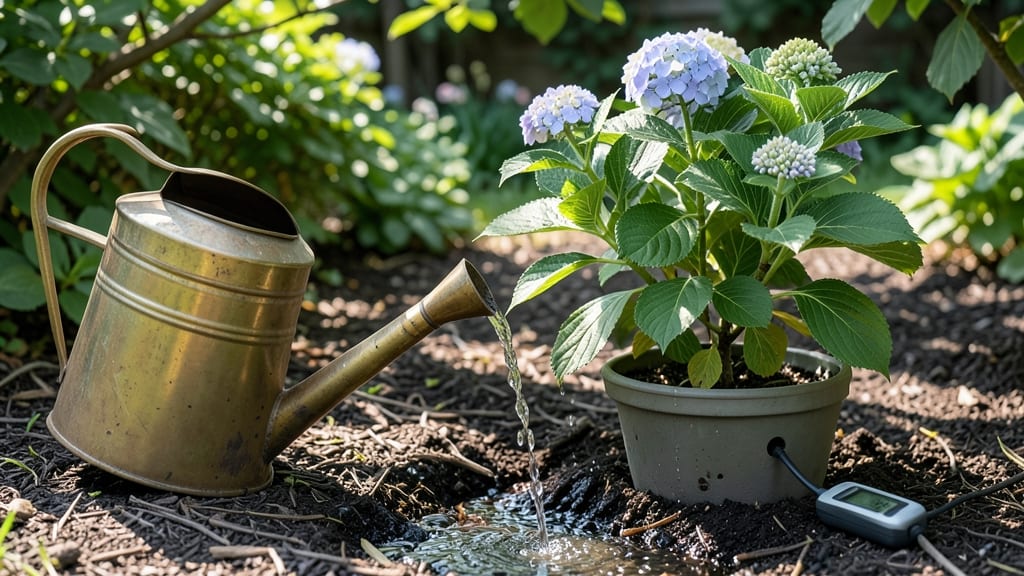
Watering new shrubs the right way is the difference between a thriving 🌿 garden staple and a sad, wilted investment.
You’ve just planted your new shrubs, and now the real question is: how often should you water them to give them the best start? Too much or too little, and you risk stunting their growth—or worse, losing them before they even take root.
In Zone 6a, where spring planting kicks off in April, the first year is critical. Your shrubs need deep, consistent moisture, but the schedule changes with soil type, rainfall, and heat. Sandy soil drains fast, while clay holds water like a sponge—both extremes demand different approaches.
Below, I’ll break down the exact watering routine for each soil type, when to adjust for weather, and how to spot signs of stress before it’s too late. No guesswork, just a foolproof plan to keep your new shrubs happy and growing.
First-year watering schedule for new shrubs by soil type
Your new shrubs need consistent moisture during their first year to develop strong root systems, but watering too much or too little can be deadly. The key? Adjusting your schedule based on your soil type—whether it's sandy, loamy, or clay—because each drains water differently.
I’ll break down exactly how often to water, how deep to go, and when to taper off as your shrubs mature.
Sandy soil drains too quickly, loamy soil holds moisture just right, and clay soil stays soggy for days. Ignoring these differences means your shrubs could suffer from root rot or drought stress.
Let’s fix that with a soil-specific schedule tailored for the first 12 months after planting.
For sandy soil, watering every 2-3 days keeps roots hydrated, but you’ll need to dig 6-8 inches deep to reach the root zone. After 6 months, reduce to every 4-5 days as roots spread deeper.
Use a moisture meter to check—if the top 2 inches are dry, it’s time to water.
Loamy soil is the Goldilocks of gardening—water every 4-5 days in the first 3 months, then taper to every 7-10 days once roots establish. Aim for 8-10 inches deep to encourage downward growth. If your shrubs wilt despite wet soil, you’re overwatering.
Clay soil holds moisture like a sponge, so water every 5-7 days in the first year, but only 4-6 inches deep to avoid compacting the soil. After 6 months, stretch it to every 10-14 days. Look for cracked soil or grayish stems—these are red flags for overwatering.
Seasonal shifts matter too. In summer, increase frequency by 20-30% (e.g., water sandy soil daily during heatwaves). In winter, cut back to bi-weekly unless you’re in a frost-free zone. Always water in the morning to reduce evaporation and fungal risks.
Pro tip: Mulch with 2-3 inches of organic material (like shredded bark) to retain moisture and regulate soil temperature. This can cut your watering needs by 30% once established. Just keep mulch 6 inches away from the shrub stem to prevent rot.
Watch for leaf color changes—dark green means happy, yellow means thirsty, and brown means too much water. Adjust your schedule weekly based on these cues. With this soil-specific approach, your shrubs will grow stronger roots and healthier foliage in their first year.
Remember, consistency is key. Stick to this schedule, and your new shrubs will thank you with vibrant growth and long-term resilience—no guesswork needed! 🌿
Signs your new shrubs need water (or too much water)
New shrubs rely on consistent moisture to develop strong roots, but spotting the right balance between underwatering and overwatering can be tricky. Look for visual cues like drooping leaves or dry soil as early warnings. These signs help you adjust your watering schedule before stress sets in.
In hot, dry climates, shrubs may show signs of thirst within 2-3 days of missed watering. Meanwhile, cool or rainy seasons can lead to soggy soil and root rot if you water too frequently. Understanding these seasonal shifts is key to keeping your shrubs healthy.
⚠️ Watering New Shrubs: Critical First-Year Rules
First 4 weeks: Water every 2-3 days to encourage root growth. Deep soak (1-2 inches) each time to prevent shallow roots. Morning watering reduces evaporation and fungal risks. Clay soil? Reduce frequency to every 4-5 days—it retains moisture longer.
Weeks 5-12: Gradually stretch watering to every 5-7 days (adjust for heatwaves). Test soil moisture 1 inch deep—if dry, water again. Yellowing leaves or mushy stems mean you’re overdoing it. Mulch (2-3 inches) locks in moisture and regulates temperature.
Start by checking the soil moisture with your finger. Stick it 1-2 inches deep—if it feels dry, it’s time to water.
For sandy soil, moisture drains quickly, so you’ll need to water more often (every 2-3 days in summer). Loamy soil holds moisture well, so every 5-7 days is usually sufficient.
Wilting leaves are the most obvious sign of underwatering, but don’t wait until this happens. Early signs include leaves curling or dull, grayish foliage.
If you notice these, water immediately and monitor closely. Overwatering, on the other hand, causes yellowing leaves that feel soft or mushy to the touch.
Seasonal adjustments are crucial. In summer heat, increase watering to every 3-5 days, while spring and fall may only require weekly watering. Rainy seasons can reduce your watering needs by up to 50%, but always check soil moisture before skipping a session.
For container-grown shrubs, the rules change slightly. Potted plants dry out faster, so water every 2-3 days in summer. Tap the pot—if it feels light, it’s time to water. Drainage holes are non-negotiable to prevent root rot from excess moisture.
Pay attention to your shrubs’ unique needs. Some varieties, like hydrangeas, thrive with consistent moisture, while lavender prefers drier conditions. Adjust your routine based on the plant type and local climate for the best results. 🌱