
Shrubs
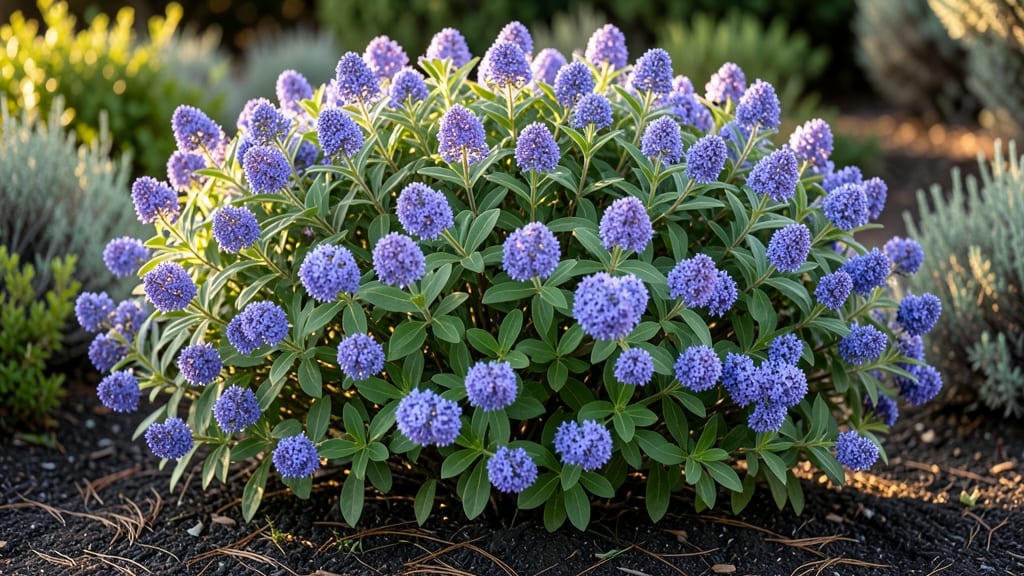
California lilacs (Ceanothus spp.) turn your yard into a fragrant, drought-resistant paradise with the right care. 🌿 I’ve watched mine transform from scraggly new plants into sturdy, blooming shrubs that attract bees and hummingbirds—all while surviving on minimal water.
The key isn’t just planting; it’s knowing when and how to prune to keep them lush and blooming reliably.
These shrubs thrive in full sun and well-draining soil, mirroring their native California chaparral habitat. Most varieties, like ‘Concha’ or ‘Yankee Point,’ handle heat and drought once established, but they’ll reward you with vibrant blue-purple blooms in spring if you give them the right start.
Overwatering is their biggest enemy—stick to deep, infrequent watering once rooted.
Pruning in late winter or early spring is where the magic happens. A strategic trim encourages dense growth and more flowers, while removing dead wood keeps them healthy.
After just one season of proper care, my California lilacs went from bare branches to a fragrant, bee-friendly canopy that lasts all summer.
Perfect for slopes, borders, or as a low-maintenance hedge, these shrubs blend beauty with resilience. Whether you’re restoring a native landscape or adding color to a dry garden, they’re a game-changer. Here’s how to make them thrive in your space.
📚 In This Guide
- What you need
- Instructions
- Tips and common mistakes
- Wrapping up and next steps
What you need
- ● Pruning shears: Bypass pruners (sharp, 5-7" blades) – 1 pair (for small branches)
- ● Loppers: Bypass or anvil type (long handles, 18-24" blades) – 1 pair (for thicker branches up to 1.5" diameter)
- ● Pruning saw: Curved-tooth saw (for branches >1.5" diameter) – 1
- ● Gloves: Heavy-duty, cut-resistant – 1 pair (protects hands from thorns and sap)
- ● Disinfectant: 70% isopropyl alcohol or bleach solution (1 part bleach to 9 parts water) – small spray bottle (sanitizes tools between cuts)
- ● Trash bags: Heavy-duty, 30-gallon size – 2-3 bags (for debris disposal)
- ● Hose or bucket: For cleaning tools – 1
- ● Weather check: Prune on a dry, calm day (avoid rain for 24 hours before/after)
- ○ Safety gear (optional but recommended): Safety goggles (to protect from debris)
- ● Long sleeves/pants (to guard against thorns)
- ○ Fertilizer (optional): Balanced 10-10-10 or slow-release shrub fertilizer – small bag (apply post-pruning for revival)
- ○ Mulch (optional): 2-3 inches of wood chips or bark – 1-2 cubic feet (retains moisture and regulates soil temp)
Strategic pruning for California lilacs: reviving fragrant canopies
California lilacs thrive when pruned with precision—here’s how to restore their lush, fragrant shape without sacrificing blooms.
🌿 Step 1: Assess the Shrub’s Structure and Seasonal Needs
Examine your California lilac in late winter or early spring, before new growth emerges. Look for dead, crossing, or overcrowded branches—these are your first targets. The goal is to open the canopy for airflow while preserving the shrub’s natural, rounded form. I always start by removing any branches that rub against each other, as these create wounds that invite disease.
Check for water sprouts—those thin, vertical shoots growing from the base or along branches. These saplings steal energy from the main structure. Snip them at the base with clean pruning shears. If your lilac has leggy growth (long, bare stems with sparse foliage at the tips), you’ll need to shorten these by one-third to encourage bushier regrowth.
✂️ Step 2: Prune for Shape and Airflow
Use bypass pruners to make clean cuts at a 45-degree angle, just above an outward-facing bud or leaf node. This angle helps rainwater run off the cut instead of pooling. For thicker branches over ½ inch, switch to loppers and make the cut just outside the branch collar—the swollen area where the branch meets the trunk. Never leave stubs; they trap moisture and rot.
Shape the shrub by thinning out 10-20% of the oldest wood first. Focus on branches growing inward or downward, as these block sunlight and airflow. Step back frequently to visualize the shrub’s silhouette—you want to maintain a rounded, vase-like form that highlights the fragrant blooms. Avoid heavy pruning in one season; gradual thinning over 2-3 years prevents shock.
🌱 Step 3: Encourage New Growth and Blooms
After shaping, prune back last year’s flower stems to just above the first set of healthy leaves. California lilacs bloom on new wood, so this step stimulates fresh growth where next year’s flowers will form. If your shrub hasn’t bloomed well, look for over-pruning—cutting into old wood reduces flowering. For mature shrubs, I never remove more than one-third of the foliage in a single season.
Apply a balanced, slow-release fertilizer (10-10-10) around the base after pruning to support recovery. Water deeply to help the plant recover from stress. You’ll see new shoots emerging within 4-6 weeks—these are your signal that the pruning worked. Avoid pruning during summer heat or winter dormancy, as the shrub needs energy to heal.
☀️ Step 4: Maintain Through the Growing Season
Monitor the lilac for new growth direction—if shoots grow too vertically, they’ll become leggy. Pinch back the tips of these shoots in early summer to encourage branching. Mulch the base with 2-3 inches of organic mulch (like wood chips) to retain moisture and regulate soil temperature. Keep the mulch 6 inches away from the trunk to prevent rot.
Watch for powdery mildew on leaves, a common issue in humid climates. If you spot white, powdery patches, prune affected leaves immediately and improve airflow by thinning the canopy further. Deadhead spent blooms in late spring to redirect energy into next year’s flowers. With proper pruning, your California lilac will reward you with dense, fragrant blooms for decades.
Tips & tricks for reviving California lilacs
Here's what nobody tells you about pruning these fragrant beauties—tricks that'll keep your lilacs blooming like a pro.
Timing is Everything: The late winter to early spring window is critical because it allows the shrub to heal before summer heat arrives. I've seen gardeners prune too early in winter when the plant is still dormant, or too late in spring when new growth has already started. Aim for when you can see buds swelling but before leaves appear—this is your perfect pruning cue. The 4-6 week recovery period mentioned in Step 3 gives the plant time to establish new growth before summer stress sets in.
The 45-Degree Angle Secret: That angled cut isn't just for looks—it's a hydraulic engineering trick! The sloped cut directs rainwater away from the wound, preventing rot that would otherwise invite disease. When cutting branches over ½ inch thick, I always make my second cut just outside the branch collar (that swollen area) to preserve the tree's natural healing response. This small detail makes all the difference in long-term plant health.
Gradual Pruning Strategy: The instructions mention thinning over 2-3 years, but I've learned this the hard way—don't rush it. In my first attempt, I removed too much old wood in one season and nearly lost my lilac to shock. Start conservatively with just 10% of the oldest wood in year one, then reassess annually. This gradual approach maintains the shrub's energy reserves while still opening up that beautiful vase shape.
Equipment Upgrade: While bypass pruners work fine for most cuts, invest in a good pair of loppers for branches over ½ inch thick. I use my Felco loppers because they make clean cuts without crushing the branch. For very thick branches, a pruning saw with a curved blade will give you more leverage. Always sterilize your tools with rubbing alcohol between cuts to prevent spreading disease from one branch to another.
Pro Tips for California Lilacs Shrubs
- Here's what nobody tells you about pruning these fragrant beauties—tricks that'll keep your lilacs blooming like a pro.
- Timing is Everything: The late winter to early spring window is critical because it allows the shrub to heal before s...
- The 45-Degree Angle Secret: That angled cut isn't just for looks—it's a hydraulic engineering trick! The sloped cut d...
Frequently asked questions
about California Lilacs shrubs—here’s what you need to know before diving in!When is the best time to prune California Lilacs for maximum blooms?
Prune your California Lilacs right after flowering (late spring to early summer) to encourage robust growth and next year’s blooms. Avoid heavy pruning in fall or winter, as this can damage tender new growth. Light shaping in late winter (before buds swell) also works—just keep it minimal to avoid stressing the shrub.
How much can I trim back my California Lilac without harming it?
You can safely trim up to ⅓ of the shrub’s height in one season, but avoid cutting into old wood (gray/brown stems). Focus on removing dead, crossing, or overcrowded branches first. For rejuvenation, thin out older stems at the base over 2–3 years to prevent shock. Pro tip: Use sharp, sterilized shears to make clean cuts just above a leaf node!
Why aren’t my California Lilacs blooming as much as they used to?
Lack of blooms often stems from over-pruning in late fall/winter, poor sunlight, or nutrient deficiencies. Ensure your shrub gets 6+ hours of sun daily and fertilize lightly in early spring with a balanced, slow-release fertilizer. If blooms are sparse, check for aphids or spider mites—treat with neem oil if pests are present.
Are there drought-tolerant alternatives to California Lilacs with similar fragrance?
Yes! Try these low-water, fragrant shrubs:
- Toyon (Heteromeles arbutifolia) – Drought-tolerant, berry-producing, and evergreen.
- California Mock Orange (Philadelphus lewisii) – Thrives in dry conditions, blooms spring/summer.
- Manzanita (Arctostaphylos spp.) – Native, fragrant foliage, and stunning bark.
What should I do if my California Lilac leaves turn yellow or drop?
Yellowing leaves often signal overwatering, root rot, or nutrient deficiencies. Check soil moisture—California Lilacs prefer well-draining soil and only need watering when the top 2 inches are dry. If roots are soggy, improve drainage or reduce watering. Yellowing from iron deficiency? Apply chelated iron or compost.
Wrapping up and next steps
Transforming your garden with California Lilacs shrubs is a rewarding journey—one that combines beauty, fragrance, and a touch of horticultural skill! 🌿 With the right tools, timing, and techniques, you can revive their lush canopies and enjoy their intoxicating blooms for years to come.
Whether you're a seasoned gardener or just starting out, strategic pruning is your secret weapon for a thriving, fragrant landscape.
Ready to take the next step? Grab your pruners, mark your calendar, and give your California Lilacs the care they deserve. Your fragrant oasis awaits! 🌸