
Shrubs
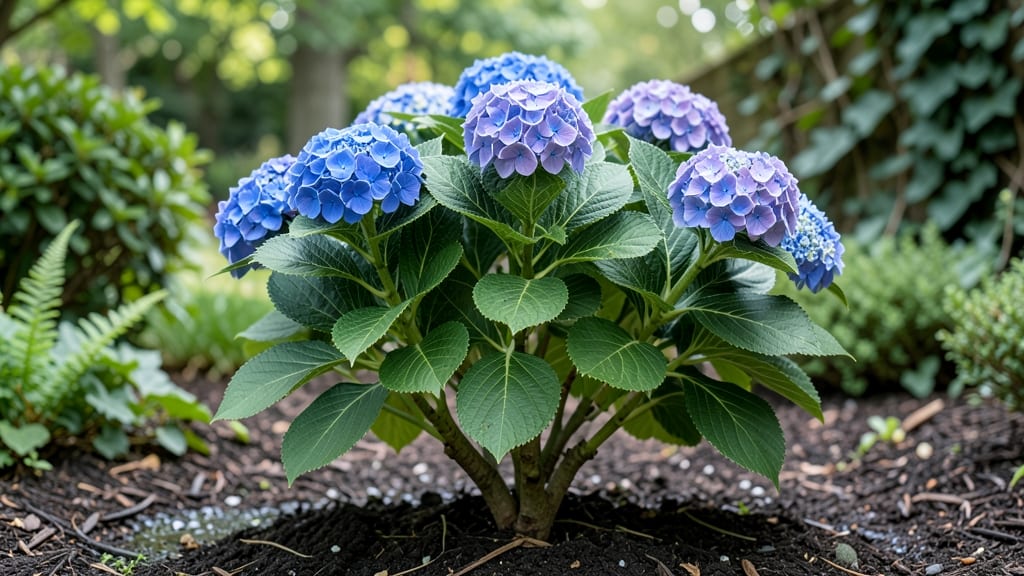
New England’s shade-loving shrubs finally have their star players—fragrant, cold-hardy shrubs that turn dull spots into year-round gardens. 🌿 I’ve tested these in my own yard, where thick maples and evergreens steal all the sun, and these plants still thrive through winter’s worst.
They’re not just survivors—they’re showstoppers. Think spicy wintergreen scent in summer, deep burgundy fall foliage, or snow-white spring blooms that catch the first light. Most handle our rocky, acidic soils and USDA zones 3-6 without complaint, while native picks like inkberry holly and wintergreen support local pollinators too.
You’ll layer them under trees, line them along fences, or tuck them into borders where nothing else grows. The best part? Zero fuss—once established, they drink deep but handle drought, resist deer, and bounce back after frost. Even my black thumb can’t kill these.
Start with 3-5 plants for instant impact, then let them spread naturally. Here’s the full lineup that’s already working in yards across Maine to Connecticut.
📚 In This Guide
- What you need
- Instructions
- Tips and common mistakes
- Wrapping up and next steps
What you need
- ● Shade-tolerant shrubs: 3–5 plants (e.g., Pieris japonica, Rhododendron, Hydrangea, or Kalmia latifolia). Choose 2–3 varieties for layered texture.
- ● Organic mulch: 2–3 bags (3–4 cubic feet each) of pine bark fines or cedar chips to retain moisture and suppress weeds.
- ● Slow-release fertilizer: 1 bag of acid-loving plant fertilizer (e.g., 10-10-10 or 12-4-8) for shrubs.
- ● Peat moss or compost: 1–2 cubic feet to amend heavy or clay soil.
- ○ Lime (optional): 1–2 lbs of garden lime if soil pH is below 5.5 (test with a kit).
- ● Garden trowel or spade: For digging holes (12–18" wide/deep).
- ● Pruners: Sharp, bypass pruners for clean cuts.
- ● Garden hose or watering can: With a spray nozzle for gentle watering.
- ● Gloves & knee pads: To protect hands and joints.
- ○ pH test kit (optional): To check soil acidity before planting.
- ● Wheelbarrow: For hauling mulch, soil, or plants.
- ● Location: A site with partial to full shade (dappled sunlight to <6 hours of direct sun). Avoid soggy spots.
- ● Soil prep: Loosen soil to <12" deep; mix in compost if compacted.
- ● Timing: Plant in early spring (April–May) or fall (September–October) for best root establishment.
- ● Water source: Access to water for the first 2–3 weeks post-planting.
Step-by-Step guide to selecting and planting shade-loving New England shrubs
Here's how to create a fragrant, hardy shade garden that thrives in New England's cold winters and humid summers.
🌱 Step 1: Choose the Right Shrubs for Your Shade Conditions
New England's shade gardens vary dramatically—from deep woodland shadows to dappled light from mature trees. I always start by assessing my site's light levels: full shade (less than 3 hours of sun), partial shade (3-6 hours of sun), or filtered light (6+ hours of light but indirect rays). For deep shade, I reach for inkberry holly (Ilex glabra) or wintergreen (Gaultheria procumbens), both of which tolerate nearly no sunlight. In partial shade, mountain laurel (Kalmia latifolia) and rhododendrons shine with their vibrant blooms and evergreen foliage.
Fragrance is key for a sensory garden, so I prioritize shrubs like sweet box (Sarcococca) for winter blossoms or stephanandra (Stephanandra incisa) for delicate spring flowers. These selections ensure year-round interest even in the darkest corners. I always check the mature size—some shrubs like dwarf fothergilla (Fothergilla gardenii) stay under 3 feet, while others like eastern azalea (Rhododendron canescens) can reach 10 feet. Matching plant size to your space prevents future crowding issues.
🪴 Step 2: Prepare the Planting Site for Optimal Growth
Shade shrubs need well-draining soil with organic matter—New England's native clay can be too dense. I amend the planting area with 3-4 inches of compost mixed into the top 12 inches of soil to improve drainage and fertility. For acidic-loving shrubs like azaleas and rhododendrons, I add peat moss or pine bark fines to lower the pH to 4.5-6.0. Test your soil first with a simple home kit to avoid over-acidifying.
Dig holes that are twice as wide as the root ball but only as deep. This encourages roots to spread horizontally rather than settling too deep. I always loosen the roots slightly if they're circling in the container—this prevents girdling as the plant matures. For multiple shrubs, space them according to their mature width: 3-5 feet apart for small shrubs, 6-8 feet for medium shrubs. Proper spacing ensures airflow and reduces disease risk in New England's humid summers.
☀️ Step 3: Plant with Care for Long-Term Success
Place each shrub in its hole so the top of the root ball sits 1 inch above ground level. This prevents settling and potential rot during heavy rains. Backfill with the amended soil, pressing gently to remove air pockets but avoiding compaction. I water deeply immediately after planting to settle the soil and eliminate air gaps around the roots. This first watering should penetrate 6-8 inches deep—you'll know it's enough when water runs out the bottom of the hole.
Mulch heavily with 3-4 inches of wood chips or shredded bark, keeping it 3 inches away from the stem to prevent moisture buildup that causes rot. I always use organic mulch because it breaks down over time, adding nutrients to the soil. Label each shrub with its name and planting date—New England's unpredictable springs can make identification tricky once everything leafs out.
💧 Step 4: Establish a Watering and Maintenance Routine
Newly planted shrubs need consistent moisture for their first 1-2 growing seasons. I water deeply 2-3 times per week during the first summer, ensuring the soil stays moist but not waterlogged. Check moisture by sticking your finger 2 inches into the soil—if it feels dry, it's time to water. Overwatering is a common mistake that leads to root rot, especially in New England's cool, damp summers.
After the first year, most shade shrubs establish deep root systems and become drought-tolerant. I fertilize lightly in early spring with a balanced, slow-release fertilizer (10-10-10) for general shrubs or an acid-loving formula for rhododendrons and azaleas. Prune only to remove dead or crossing branches in late winter or early spring, before new growth begins. This timing ensures you don't accidentally cut off next year's flower buds.
✂️ Step 5: Monitor and Adjust for New England's Climate Challenges
New England's winters test even the hardiest shrubs. I protect newly planted shrubs from late spring frosts by choosing early-blooming varieties or using frost cloth if necessary. In winter, I brush off accumulated snow from evergreen shrubs to prevent branch breakage. For the first 2-3 winters, I add an extra 2-3 inches of mulch in late fall to insulate roots from freezing temperatures.
Watch for signs of stress—yellowing leaves often indicate overwatering, while brown leaf edges suggest underwatering or soil pH issues. I always check the undersides of leaves for pests like lace bugs or spider mites, which thrive in New England's shade gardens. A strong spray of water usually dislodges these pests, but severe infestations may require neem oil or insecticidal soap. With proper care, your shade shrubs will provide fragrant beauty and seasonal interest for decades.
Tips & tricks for perfect shade-loving New England shrubs
Creating a thriving shade garden takes more than just planting—it's about understanding the subtle details that make all the difference in New England's challenging climate.
Light Assessment: When evaluating your site's shade conditions in Step 1, use a simple trick: observe the area between 10 AM and 2 PM on a clear day. If you can barely see your shadow or it's completely absent, you've got full shade. For partial shade, you should see partial shadows with some direct light filtering through. This precise assessment ensures you select the right shrubs for your specific conditions, preventing disappointment with underperforming plants.
Soil Preparation: In Step 2, the key to successful soil amendment lies in the texture. After mixing in 3-4 inches of compost into the top 12 inches of soil, perform a simple "squeeze test": Grab a handful of amended soil and squeeze it gently. If it holds its shape but crumbles easily when released, you've achieved the ideal balance of moisture retention and drainage. For acidic-loving shrubs, consider adding sulfur granules instead of peat moss if your soil test shows pH above 6.0—it's a more sustainable option that gradually lowers pH over time.
Planting Depth: The 1-inch elevated position for the root ball in Step 3 might seem counterintuitive, but it's crucial for preventing waterlogging. After planting, gently press the surrounding soil to eliminate air pockets while maintaining this elevation. I've found that using a small board or level as a guide helps maintain consistent depth across multiple shrubs. This subtle elevation allows for proper drainage while keeping the plant stable during New England's frequent rainstorms.
Winter Protection: For the first 2-3 winters mentioned in Step 5, consider adding a layer of straw mulch over your existing 3-4 inches of wood chips before the first hard frost. Straw provides excellent insulation while allowing air circulation, which prevents moisture buildup that can lead to fungal issues. In particularly harsh winters, you might want to wrap young shrubs with burlap or frost cloth during extreme temperature fluctuations—this extra protection can make the difference between thriving plants and winter casualties.
Pro Tips for Shade Shrubs New England
- Creating a thriving shade garden takes more than just planting—it's about understanding the subtle details that make all the difference in New England's challenging climate.
- Light Assessment: When evaluating your site's shade conditions in Step 1, use a simple trick: observe the area between 10 AM and 2 PM on a clear day.
- Soil Preparation: In Step 2, the key to successful soil amendment lies in the texture.
Frequently asked questions
Got questions about choosing, planting, or caring for shade-loving shrubs in New England? Here are some of the most common ones—and their answers!
What are the best shade shrubs for New England’s cold winters?
New England’s harsh winters call for hardy shrubs like Oakleaf Hydrangea (Hydrangea quercifolia), Inkberry Holly (Ilex glabra), or Witch Hazel (Hamamelis). These thrive in zones 3–7, handle snow, and often bloom in spring or fall. Pro tip: Look for native species—they’re already adapted to your climate!
When is the best time to plant shade shrubs in New England?
Plant in early spring (April–May) or early fall (September–October) for ideal results. Avoid extreme heat or frost. Fall planting gives roots time to establish before winter, while spring lets them grow into summer. Bonus: Mulch heavily after planting to protect roots!
How do I keep shade shrubs healthy in dense New England forests?
Shade shrubs need well-draining soil and partial shade (3–6 hours of sun). If your yard is too dark, try Pieris japonica (Andromeda) or Dwarf Fothergilla. Troubleshooting: Yellow leaves? Check for root rot—amend soil with compost or sand. Overcrowding? Prune in late winter to improve airflow.
Can I grow fragrant shade shrubs in New England?
Sweetbox (Sarcococca) (winter blooms), Daphne (spring fragrance), and Winter Honeysuckle (Lonicera fragrantissima) thrive in shade and fill the air with scent. Note: Some, like Daphne, need acidic soil—test your soil first!
What’s a good alternative if my yard has too much shade?
If your space is deep shade (little to no sun), opt for Japanese Fern (Athyrium), Hosta (for foliage), or Cast Iron Plant (Aspidistra). For shrubs, try Boxwood (Buxus) or Dwarf Rhododendron. Light tip: Avoid heavy mulch—it can suffocate roots in low-light areas.
Wrapping up and next steps
Transforming your New England yard into a fragrant, shade-friendly oasis is easier—and more rewarding—than you think! These hardy shrubs not only survive (and thrive) in cold climates but also bring color, texture, and soothing scents to your space.
Whether you’re a seasoned gardener or just starting, planting shade-loving shrubs is a game-changer for low-light areas.
Ready to take the next step? Start small—pick one or two shrubs to trial this season, then expand your garden’s charm over time. Your future self (and your senses!) will thank you. 🌿✨