
How To
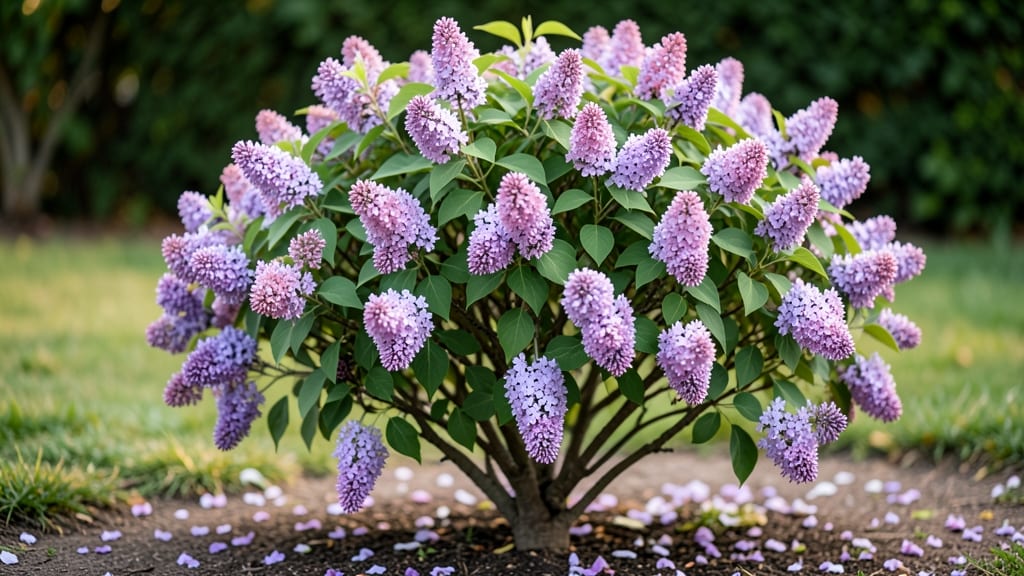
A lilac shrub gets anywhere from 3 feet to towering 15 feet at maturity, depending on the variety you choose — and yes, that includes the fragrant purple blooms that’ll steal the show in your garden.
If you're dreaming of fragrant purple blooms but worried about whether a lilac shrub will outgrow your yard, this size guide will help you choose the perfect variety for your space—before planting.
Standard lilacs like Syringa vulgaris can reach 12-15 feet tall, while dwarf varieties like 'Little Miss' stay under 5 feet, making them ideal for small gardens or containers.
Below, I’ll break down how to pick the right size for your yard, how pruning affects growth, and why soil and climate play such a big role in keeping your lilac 🌸 happy and manageable.
Lilac shrub size by popular variety: height and spread guide
Choosing the right lilac shrub for your garden starts with understanding their mature height and spread. Common lilacs can grow tall enough to become focal points, while dwarf varieties fit cozy corners.
The Syringa vulgaris (common lilac) typically reaches 8-15 feet tall, but there are smaller options too. Let’s explore the most popular types and their growth habits to help you pick the perfect fit.
Lilacs are known for their fragrant blooms and adaptability, but their size varies dramatically. A French lilac might stay compact at 3-6 feet, while a standard common lilac can tower over your patio.
Your yard’s layout and sunlight exposure will determine which variety thrives best. Below, we’ll break down the key differences so you can plan your planting strategy with confidence.
| Variety | Mature Height | Mature Spread | Growth Habit | Best For |
|---|---|---|---|---|
| Common Lilac (Syringa vulgaris) | 8–15 ft | 6–12 ft | Upright, multi-stemmed | Backyard borders, privacy screens |
| French Lilac (Syringa x chinensis) | 3–6 ft | 3–5 ft | Compact, rounded | Foundation plantings, small gardens |
| Dwarf Korean Lilac (Syringa meyeri) | 3–5 ft | 3–4 ft | Bushy, multi-branched | Containers, rock gardens, patios |
| Hybrid Lilac (Syringa x hyacinthiflora) | 6–10 ft | 5–8 ft | Semi-upright, dense | Mixed borders, hedges |
| Miss Kim Lilac (Syringa pubescens 'Miss Kim') | 3–4 ft | 3–4 ft | Bushy, rounded | Small spaces, urban gardens |
If you’re working with limited space, dwarf varieties like Miss Kim Lilac or Dwarf Korean Lilac are ideal. These stay under 5 feet tall and spread just 3-4 feet wide, making them perfect for containers or tight corners.
Their compact size also means less pruning over time, which is a bonus for busy gardeners.
For a bold statement, the Common Lilac is a classic choice. Its 8-15 foot height makes it perfect for creating privacy screens or anchoring the back of a large garden bed.
Just be prepared for its wide 6-12 foot spread, which requires ample room to thrive without crowding other plants.
Hybrid lilacs strike a balance between size and fragrance. Varieties like Syringa x hyacinthiflora grow 6-10 feet tall and 5-8 feet wide, offering a middle-ground option for medium-sized yards. Their dense growth habit also makes them great for hedges or mixed borders where you want both structure and color.
When planting lilacs, always consider their mature spread alongside height. A 6-foot spread can quickly fill a small garden if not planned carefully. For example, placing a Common Lilac too close to a walkway will eventually block access.
To avoid this, give each shrub at least 3-5 feet of clearance on all sides.
Another key factor is growth rate. Lilacs grow 1-2 feet per year in ideal conditions, so a 3-foot dwarf variety might take 3-5 years to reach maturity. If you’re impatient for blooms, consider planting a 1-2 year-old nursery-grown lilac instead of starting from seed.
Soil and sunlight also influence size. Lilacs thrive in full sun (6+ hours daily) and well-draining soil. Poor soil conditions can stunt growth, while rich, fertile soil may encourage faster (and potentially larger) growth.
If you’re in a cooler climate (USDA Zones 3-6), lilacs may grow more slowly due to shorter growing seasons.
Finally, remember that pruning affects size. Regular pruning keeps lilacs healthier and more manageable. For example, cutting back 1/3 of old wood after flowering encourages new growth and prevents legginess. This is especially important for larger varieties like the Common Lilac, which can become unruly without maintenance.
Now that you know the size ranges, you can confidently select the perfect lilac for your garden. Whether you want a fragrant giant or a compact container plant, there’s a variety that fits your space—and your dream garden vision! 🌸
How growth zones affect lilac shrub size and care requirements
Did you know your USDA hardiness zone directly impacts how tall your lilac shrub grows? Lilacs thrive in zones 3 through 8, but their size, cold tolerance, and care needs shift dramatically depending on where you live.
In colder zones like 3-5, lilacs grow more compactly to survive harsh winters, while warmer zones 6-8 encourage faster, taller growth. Understanding these patterns helps you choose the right variety and care routine for your climate.
For example, a common lilac (Syringa vulgaris) in zone 4 might reach 8-10 feet tall, while the same variety in zone 7 could grow 12-15 feet without proper pruning. The coldest zones (3-4) also require more winter protection, like mulching or wrapping stems, to prevent dieback.
Let’s break down how your zone affects everything from planting times to pruning schedules—so you can keep your lilac at your ideal size.
| USDA Zone | Mature Height | Spread | Cold Hardiness | Best Planting Time |
|---|---|---|---|---|
| 3-4 | 6-8 ft | 5-7 ft | Extreme (-40°F) | Late April-May |
| 5-6 | 8-10 ft | 6-8 ft | Moderate (-20°F) | Early April |
| 7-8 | 10-15 ft | 8-10 ft | Mild (10°F) | March-April |
In zones 3-4, lilacs grow slower due to shorter growing seasons, so they benefit from early spring pruning to encourage bushier growth. I’ve found that planting in late April or May gives roots time to establish before winter sets in.
Meanwhile, in warmer zones 7-8, lilacs can grow aggressively if left unchecked—prune annually in late spring to control height and shape. Always prune after flowering to avoid cutting off next year’s buds.
Your zone also affects watering needs. In drier zones 5-8, lilacs need deep watering every 7-10 days during the first growing season, while cooler zones 3-4 may require less frequent watering due to slower growth.
Mulching with 3-4 inches of organic matter helps retain moisture in all zones, but it’s especially critical in warmer climates where evaporation is higher. This simple step can reduce your watering workload by up to 30%.
One common mistake I see in warmer zones is planting lilacs too close to structures or other plants. In zones 7-8, a standard lilac can spread 8-10 feet wide, so give it 6-8 feet of clearance on all sides.
In cooler zones 3-4, where growth is slower, you can plant them 4-5 feet apart without worrying about overcrowding. Always check your lilac’s variety-specific tags for exact spacing recommendations.
Finally, fall care differs by zone. In zones 3-5, protect lilacs from late frost by wrapping stems or applying mulch in late October. In zones 6-8, focus on light pruning to remove dead wood before winter.
I’ve learned that dwarf varieties like ‘Little Johnny’ thrive in all zones but stay compact—perfect for small gardens or containers. With the right zone-specific care, your lilac will reward you with fragrant blooms for decades.