
Shrubs
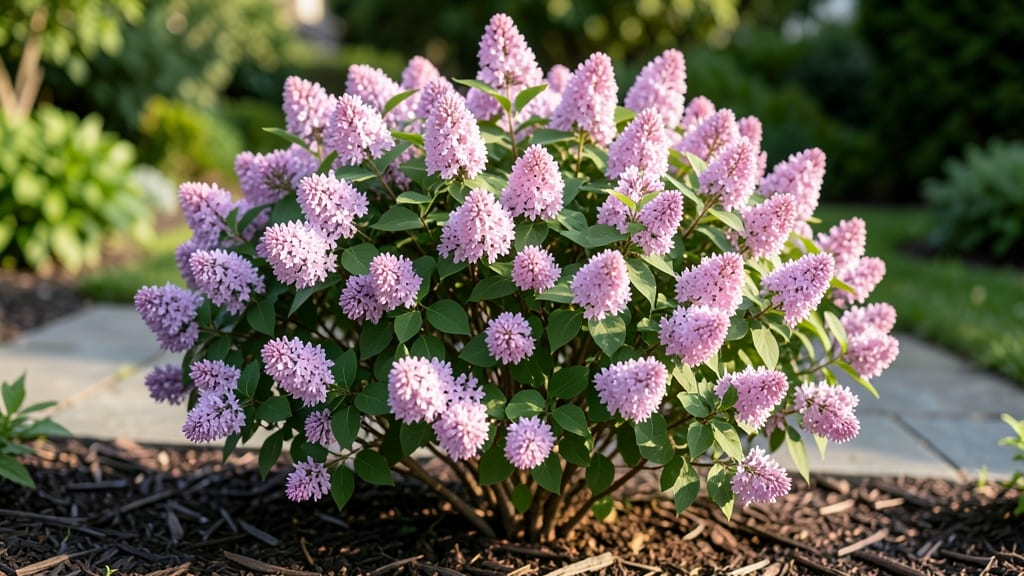
Your Miss Kim lilac shrub isn't just a plant—it's a fragrant, compact powerhouse that blooms earlier and longer than most lilacs. 🌸 I've grown this variety for years, and its 3-4 foot height and disease-resistant nature make it perfect for small spaces or containers.
The secret to its lush growth lies in the right conditions: full sun to partial shade, well-draining soil, and consistent moisture. Unlike traditional lilacs, 'Miss Kim' thrives even in urban settings where air quality might be poorer. Plant it in early spring or fall for the best establishment.
Pruning isn't just about shaping—it's about encouraging those signature lavender-pink blooms to return year after year. After flowering, cut back about one-third of the oldest stems to make room for new growth. The fragrance alone makes it worth the effort. Even busy gardeners can handle this shrub.
With minimal pruning and basic care, you'll enjoy two weeks of intense fragrance every spring—and maybe even a second flush of blooms in late summer.
📚 In This Guide
- What you need
- Instructions
- Tips and common mistakes
- Wrapping up and next steps
What you need
- ● Miss Kim Lilac shrub: A healthy, mature specimen (3–6 feet tall, ideally 3–5 years old for best results).
- ● Pruning shears: Bypass pruners (sharp, 5–7 inch blades) for clean cuts—1 pair.
- ● Loppers: For thicker branches (1–2 inch diameter)—1 pair.
- ● Gloves: Heavy-duty, cut-resistant (e.g., leather or synthetic)—1 pair.
- ● Disinfectant: 70% isopropyl alcohol or rubbing alcohol (small bottle) to sterilize tools.
- ○ Pruning sealant: Optional (e.g., tree wound paint) for large cuts—small tube.
- ○ Garden twine or tape: To mark branches for removal—optional.
- ● Wheelbarrow or bucket: For collecting pruned branches—1.
- ● Safety glasses: Protect your eyes from debris—highly recommended.
- ● Timing: Prune after flowering (late spring to early summer) to avoid sacrificing blooms.
- ● Weather: Choose a dry, overcast day to prevent stress on the shrub.
- ● Research: Review your shrub’s growth habit—Miss Kim Lilacs thrive with open-center pruning.
- ● Safety first: Ensure the area is clear of pets/kids and tools are sharp (dull blades crush stems!).
Step-by-Step guide to reviving your Miss Kim lilac shrub
Here's how I transform leggy, overgrown lilacs into lush, fragrant canopies every spring—without sacrificing next year's blooms.
✂️ Step 1: Time Your Pruning for Peak Health
Wait until right after flowering—typically late May or June—when the blooms have fully faded and seed pods begin forming. This ensures you never cut off next year's flower buds, which develop on old wood. I mark my calendar because pruning too early risks removing next season's blossoms entirely.
If your shrub blooms irregularly, focus on shaping rather than heavy pruning. Miss Kim lilacs are forgiving, but the key is patience—never remove more than one-third of the plant's total growth in a single season. You'll see new shoots emerging from the base within 4-6 weeks of proper pruning.
✂️ Step 2: Remove Dead or Crossing Branches First
Start by cutting out any dead, diseased, or crossing branches using clean, sharp pruners. These branches steal energy from healthy growth and create weak entry points for pests. Look for branches that rub against each other—they'll eventually tear bark and invite infections.
Make your cuts just outside the branch collar (the swollen area where the branch meets the trunk). Avoid leaving stubs, which can rot and attract pests. If a branch is thicker than ½ inch, use loppers or a pruning saw to avoid tearing the bark. You'll notice the shrub's structure immediately opens up, allowing better airflow and sunlight penetration.
✂️ Step 3: Thin Out Overcrowded Growth
Next, focus on thinning out the center of the shrub to improve airflow and reduce humidity-related diseases. Select branches that grow inward and remove one-third of the oldest stems at the base. These stems are often weak and produce fewer blooms anyway.
Cut these branches back to a strong outward-facing bud or lateral branch. Avoid leaving stubs—always make clean cuts at a 45-degree angle just above a bud. You'll see the shrub's skeletal structure become more visible, which is a good sign you're encouraging a stronger framework for future growth.
☀️ Step 4: Shape for Optimal Sunlight Exposure
Step back and assess the shrub's overall shape. Miss Kim lilacs naturally grow in a rounded, vase-like form, so aim to maintain that silhouette. Trim the outer edges to encourage bushier growth and better blooming along the branches.
Use your pruners to shorten the longest branches by about one-third, cutting just above a leaf bud that faces outward. Avoid cutting back to bare wood—always leave some foliage to support photosynthesis. Within 2-3 weeks, you'll see new growth emerging from the pruned areas, filling in any gaps.
💧 Step 5: Post-Pruning Care for Rapid Recovery
After pruning, water the shrub deeply to help it recover from the stress. Apply 1-2 inches of mulch around the base (but keep it 6 inches away from the trunk) to retain moisture and regulate soil temperature. This is especially important if your climate experiences hot, dry summers or cold winters.
Fertilize lightly with a balanced, slow-release fertilizer (10-10-10) in early spring before new growth begins. Avoid heavy fertilizers immediately after pruning—the shrub needs time to establish new roots before pushing out excessive foliage. You'll know your pruning was successful when the shrub produces strong, vibrant new growth by mid-summer and blooms more abundantly next spring.
Tips & tricks for perfect lilac shrub revival
These pruning secrets will help you transform your leggy lilac into a fragrant, healthy canopy that blooms beautifully year after year.
Timing is Everything: The late May-June window is critical because Miss Kim lilacs bloom on old wood—meaning next year's flower buds are already forming when you prune. I always check for fully faded blooms and developing seed pods as my go-to signs. If you're unsure, wait until after the last frost date in your area, as new growth can be vulnerable to cold snaps. The 4-6 week recovery period mentioned in Step 1 is when the real magic happens—this is when your shrub rebuilds its energy reserves for next spring's blooms.
Tool Selection Matters: Never use dull pruners—they crush stems instead of making clean cuts. I keep a dedicated pair of bypass pruners for lilacs and sharpen them annually. For branches thicker than ½ inch, loppers or a pruning saw are essential to avoid tearing the bark. Pro tip: Wipe your tools with rubbing alcohol between cuts to prevent spreading any potential diseases from dead branches to healthy ones. This simple step can mean the difference between a thriving shrub and one struggling with infections.
Visual Pruning Cues: When thinning the center in Step 3, look for branches that grow inward at angles greater than 45 degrees—these are your targets. The goal is to create a "lazy S" shape when looking at the shrub from the side, which allows sunlight to penetrate all the way to the center. After making your cuts, you should be able to see light shining through the branches when you stand directly behind the shrub. This improved light exposure is what triggers more abundant blooming along the branches.
Post-Pruning Observation: The vibrant new growth you should see by mid-summer isn't just about looks—it's your confirmation that the shrub's root system is healthy and ready to support next year's blooms. Pay attention to the color: new growth should be a bright, healthy green, not yellowish or purple-tinged. If you notice weak growth, it might indicate your soil needs additional organic matter or that you pruned too aggressively. The mulch layer you apply in Step 5 helps maintain consistent soil moisture, which is crucial during this recovery period.
Pro Tips for Miss Kim Lilac Shrub
- These pruning secrets will help you transform your leggy lilac into a fragrant, healthy canopy that blooms beautifully year after year.
- Timing is Everything: The late May-June window is critical because Miss Kim lilacs bloom on old wood—meaning next year's flower buds are already forming when you prune.
- Tool Selection Matters: Never use dull pruners—they crush stems instead of making clean cuts.
Frequently asked questions
When is the best time to prune my Miss Kim lilac shrub?
Prune your Miss Kim lilac right after flowering (late spring to early summer). Avoid pruning in fall or winter, as this can stimulate new growth that may be damaged by frost. This timing ensures you don’t cut off next year’s blooms while keeping the shrub tidy and healthy.
How much can I trim back my Miss Kim lilac?
For Miss Kim lilacs, aim to remove no more than 1/3 of the shrub’s height per year. Over-pruning can stress the plant and reduce flowering. Focus on shaping, thinning out crowded branches, and removing dead or crossing wood. Pro tip: Use clean, sharp pruners to make precise cuts just above a leaf bud.
Why isn’t my Miss Kim lilac blooming as much as it used to?
Lilacs bloom on old wood, so aggressive pruning (especially in late summer/fall) can reduce flowers. Other culprits include over-fertilizing with high nitrogen (which encourages leafy growth over blooms), poor sunlight (6+ hours of sun is ideal), or compacted soil. Try a balanced low-nitrogen fertilizer in early spring and mulch to improve drainage.
Are Miss Kim lilacs prone to pests or diseases?
While Miss Kim lilacs are generally hardy, they can attract borers, aphids, or powdery mildew in humid conditions. Preventative care: Space plants for airflow, water at the base (not overhead), and remove fallen leaves. If pests appear, use neem oil or insecticidal soap for organic control. Prune affected branches promptly to stop spread.
Can I grow a Miss Kim lilac in a container or small garden?
Yes! Miss Kim lilacs thrive in containers if given adequate space (15+ gallon pot) and well-draining soil. Use a fast-draining potting mix with perlite, and repot every 2–3 years. Place in full sun and water consistently—containers dry out faster than garden beds. Dwarf varieties like ‘Miss Kim’ are perfect for small spaces!
How cold-hardy is the Miss Kim lilac?
This compact lilac is USDA Zones 3–8 hardy, meaning it tolerates winter temps down to -40°F. In colder zones, mulch the base with 3–4 inches of organic mulch (like shredded bark) to insulate roots. Avoid heavy pruning in late fall—wait until spring to assess winter damage and trim as needed.
Wrapping up and next steps
Transforming your Miss Kim Lilac Shrub into a fragrant, thriving beauty is all about patience, precision, and a little pruning love! 🌸 By mastering the art of deadheading, shaping, and seasonal trims, you’ll not only revive its canopy but also encourage lush blooms and vibrant growth for years to come.
Whether you’re a gardening newbie or a seasoned green thumb, these steps make the process simple and rewarding.
Ready to roll up your sleeves? Start small—pick one pruning task this weekend and watch your lilac shrub bloom with confidence! 🌿 For even more tips, grab a pair of shears and dive in—your garden (and future neighbors!) will thank you.