
Aphids
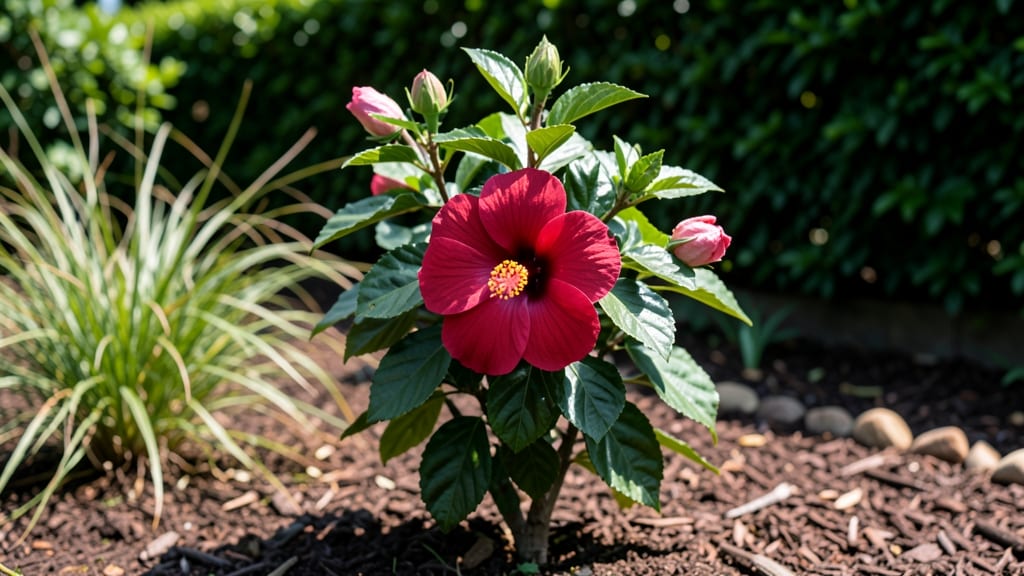
Hibiscus is a shrub prized for its bold, colorful blooms and lush foliage, usually reaching heights of 5 to 12 feet with sturdy woody stems and branching growth patterns. These plants flourish in warm climates when planted in well-draining soil and given consistent moisture, though some varieties can develop into small trees or perennial forms depending on the species and care provided.
Hibiscus shrubs stand out with their showy flowers that come in shades of red, pink, yellow, and white, often blooming seasonally from spring through fall. 🌸 The plant's fast growth rate—typically 1 to 2 feet per year—makes it a favorite for gardeners looking to add quick color and texture.
Unlike tree-like hibiscus varieties, shrub forms like Hibiscus rosa-sinensis often feature multiple stems and a bushier structure, perfect for hedges or container gardening. Their deep root systems also help stabilize soil, making them an eco-friendly choice for erosion control.
What sets hibiscus shrubs apart is their adaptability—some varieties, like the hardy rose of Sharon, can tolerate cooler temperatures, while tropical types thrive in heat and humidity.
Regular pruning encourages denser growth and more abundant blooms, so I always recommend trimming back leggy stems after the first flush of flowers. For container gardening, choose compact varieties like dwarf hibiscus to maximize space without sacrificing beauty.
💡 In This Article
- Hibiscus Shrub Growth Habits and Botanical Features
- Cultivation Tips for Thriving Hibiscus Shrubs
Hibiscus shrub growth habits and botanical features
The hibiscus shrub's distinctive growth begins with its woody, multi-branched stems that develop from a central root system capable of reaching depths of 3 to 5 feet. Unlike trees, shrub varieties like Hibiscus rosa-sinensis grow in a bushy, rounded form with stems that spread outward, creating a dense canopy.
The leaves, typically 3 to 6 inches long, have a deep green hue with serrated edges and a slightly leathery texture, which helps them retain moisture in warm climates. 🌿 This leaf structure is an evolutionary adaptation to reduce water loss, allowing the plant to thrive in both tropical and subtropical regions.
Flowering cycles vary by species, but most hibiscus shrubs produce blooms seasonally—typically from late spring through fall—with each flower lasting just 1 to 2 days before wilting.
The vibrant petals, ranging from fiery red to soft pink or creamy white, are attached to a central cone-like structure called the "epicalyx," which gives the bloom its unique shape.
Tropical hibiscus varieties, like H. rosa-sinensis, bloom continuously with proper care, while hardier types, such as Hibiscus syriacus (rose of Sharon), may have a more concentrated blooming period in midsummer. The flowers also play a critical role in the plant's reproduction, attracting pollinators like bees and hummingbirds.
One key difference between shrub and tree-like hibiscus varieties lies in their growth rates and structural development.
Shrub forms like H. rosa-sinensis grow 1 to 2 feet per year, while tree-like varieties, such as Hibiscus tiliaceus, can reach heights of 15 to 20 feet with a single, dominant trunk. The shrub's branching habit is encouraged by regular pruning, which stimulates lateral growth and denser foliage.
This makes them ideal for hedges, borders, or container gardening, where their compact size is advantageous. The root system of hibiscus shrubs is fibrous, spreading widely but not deeply, which helps stabilize soil and prevent erosion in garden beds.
Seasonal changes also influence hibiscus shrub growth. In cooler climates, tropical varieties may lose leaves in winter and regrow in spring, while hardy species like H. syriacus remain evergreen or semi-evergreen.
The plant's response to temperature shifts is tied to its native habitat—tropical hibiscus thrive in USDA zones 9-11, while temperate varieties can survive in zones 5-9.
This adaptability makes hibiscus a versatile choice for gardeners in diverse climates, provided they meet the plant's basic needs for sunlight and moisture. 🌞
Another fascinating feature is the hibiscus's flowering mechanism, which is triggered by daylight length. Short-day plants, like some hibiscus varieties, bloom in response to shorter daylight hours, typically in late summer or fall. This photoperiodic response ensures flowers appear when pollinators are most active.
The plant's ability to produce flowers year-round in tropical climates is due to consistent daylight and temperature, while seasonal blooming in temperate zones is a survival adaptation to conserve energy during colder months.
For those comparing hibiscus shrubs to their tree-like counterparts, the key distinction lies in their structural form and growth habit. Shrubs like H. rosa-sinensis develop multiple stems from the base, creating a bushy appearance, while tree hibiscus grow taller with a single, upright trunk.
This structural difference also affects their use in landscaping—shrubs are often planted in groups for hedges or as focal points, whereas tree hibiscus are used as specimen plants or shade providers. The choice between the two depends on the desired aesthetic and the gardener's climate zone.
Understanding these growth habits helps gardeners make informed decisions about placement, pruning, and care. For example, shrub varieties benefit from regular pruning to maintain shape and encourage blooming, while tree hibiscus may require less frequent trimming.
The hibiscus's adaptability, combined with its striking flowers and lush foliage, makes it a standout addition to any garden or landscape. 🌸