
Shrubs
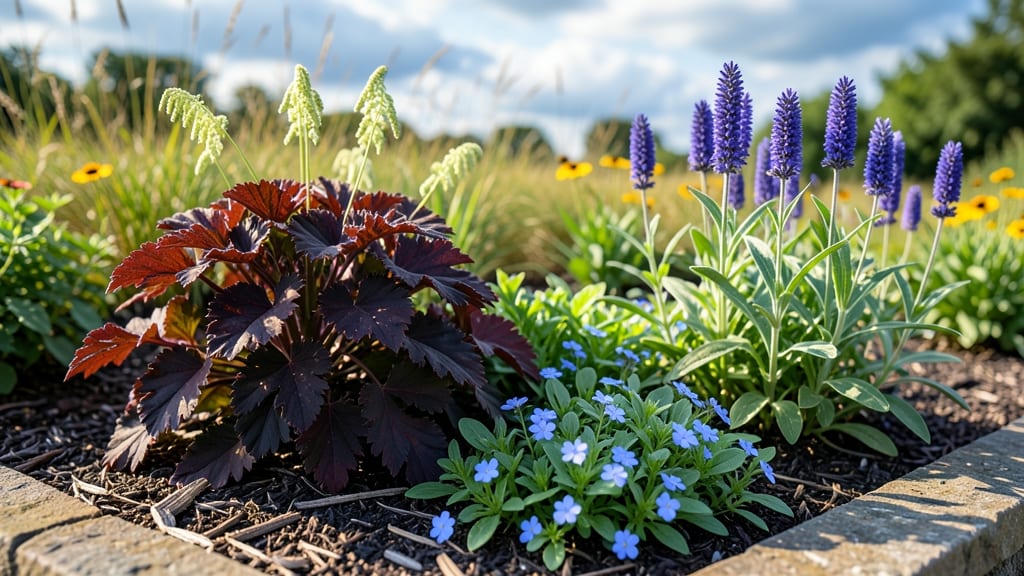
Small flowering perennial shrubs turn blank spaces into fragrant canopies that last all season. 🌸 I've designed countless gardens where these plants create soft, colorful layers—whether as a border, a mixed bed, or even in containers on patios.
The best part? They come back every year with minimal effort from you.
Think abelia with its lemony blooms, hydrangeas that change color with the soil pH, or butterfly bush that draws pollinators like a magnet. These shrubs thrive in full sun to partial shade and handle most soil types once established.
Their secret? Deep roots that store water and nutrients, so they bounce back after drought or heatwaves.
You'll end up with a garden that smells like a spring morning—some plants even have fragrant foliage, not just flowers. The color coordination gets easier once you group shrubs by bloom time: early spring for viburnum, summer for abelia, and fall for hydrangeas.
Mix textures too—some have fuzzy leaves, others are glossy—and the visual interest multiplies.
Low-maintenance doesn't mean boring. These shrubs pair beautifully with annuals for seasonal pops of color or with ornamental grasses for movement. Even in small spaces, they create drama. Let's pick the perfect ones for your garden's personality and sunlight conditions.
📚 In This Guide
- What you need
- Instructions
- Tips and common mistakes
- Wrapping up and next steps
What you need
- ● Small flowering perennial shrubs: Choose 3–5 varieties (e.g., Dwarf Lilac, Abelia, or Weigela) based on your climate zone and sunlight needs.
- ● High-quality potting mix: 1–2 bags (5–10 gallons each) of well-draining, organic soil blend (e.g., Miracle-Gro Potting Mix or FoxFarm Ocean Forest).
- ● Containers or garden beds: Containers: 3–5 pots (10–15 gallons each) with drainage holes.
- ● Garden beds: Prepped soil area (6–12 inches deep) with amended compost.
- ● Fertilizer: Slow-release granular fertilizer (e.g., Osmocote Smart-Release Flower & Vegetable) or liquid organic fertilizer (e.g., Fish Emulsion).
- ● Mulch: 2–3 bags of organic mulch (e.g., pine bark or shredded leaves) to retain moisture.
- ● Pruning shears: Sharp, bypass-pruners (e.g., Fiskars Ergo-Fit) for shaping and maintenance.
- ● Gloves: Heavy-duty gardening gloves to protect your hands.
- ● Watering can or hose: With a gentle spray nozzle for delicate watering.
- ○ pH test kit: Optional but helpful for checking soil acidity (aim for 6.0–7.0 for most perennials).
- ● Soil amendments: Perlite or vermiculite (1–2 cups per pot) for improved drainage.
- ● Epsom salt: 1 tbsp per plant (dissolved in water) for magnesium boosts.
- ● Plant supports: Small stakes or cages for shrubs with weak stems.
- ● Compost tea: Homemade or store-bought to enrich soil with microbes.
- ● Seasonal care kit: Insecticidal soap or neem oil for pest control.
Step-by-Step guide to planting small flowering perennial shrubs
Here's how I plant these fragrant beauties for a lush, low-maintenance canopy that blooms all season.
🌱 Step 1: Choose the Right Location and Prepare the Soil
Small flowering perennials thrive in partial shade to full sun, depending on the variety. Most fragrant shrubs like dappled sunlight—think morning sun with afternoon shade. Test your spot by observing how much light it gets daily. If leaves scorch by midday, it's too hot; if they stay pale, it needs more sun.
Dig up a hole twice as wide as the root ball but only as deep as the container's base. Loosen the soil at the bottom with your hands or a trowel—this prevents root binding. Mix in 2 inches of compost into the native soil to improve drainage and nutrient availability. I always work in a handful of slow-release fertilizer here to give roots a boost right away.
🪴 Step 2: Plant with Proper Spacing and Support
Space your shrubs 18-24 inches apart for air circulation and future growth. Crowding leads to fungal issues and weak stems. Remove the plant from its container and gently tease the roots apart if they're circling. This encourages outward growth instead of root-bound stress.
Place the shrub in the hole so the top of the root ball sits level with the ground—burying too deep suffocates the plant, while planting too high exposes roots to drying. Backfill with native soil, pressing lightly in 1-inch layers to eliminate air pockets. Water deeply to settle everything, then add a 1-inch layer of mulch around the base (but not touching the stem) to retain moisture.
☀️ Step 3: Water Consistently and Monitor Growth
Water deeply once a week for the first 4-6 weeks until the soil feels damp 3 inches down. Overwatering is the biggest mistake—you'll see yellowing leaves or wilting stems if roots sit in soggy soil. After establishment, most perennials tolerate drought once mature, but fragrant varieties often need regular moisture to maintain their scent.
Watch for new growth—first true leaves should appear within 2-3 weeks. If you notice leggy stems reaching toward light, your spot might be too shady. Adjust by moving plants or adding a reflective surface (like white gravel) nearby to bounce extra light onto them.
✂️ Step 4: Prune for Shape and Encourage Blooms
Light pruning in early spring keeps shrubs compact and flowering. Cut back one-third of the oldest stems to the base to encourage fresh growth. For fragrant varieties like dwarf lilacs or mock orange, deadhead spent blooms in late summer to redirect energy into next year's flowers instead of seed production.
Never prune in fall or winter—new growth won't harden off before cold snaps. I also avoid heavy pruning in first-year plants—let them establish their root system before shaping. You'll know you're doing it right when you see plump buds forming along stems by mid-spring.
Tips & tricks for planting small flowering perennial shrubs
Between us, these fragrant shrubs are worth the extra effort—here's how to make sure they thrive from day one.
Light Matters: Most fragrant varieties need that sweet spot of morning sun with afternoon shade. If your spot gets harsh afternoon sun, try planting near a north-facing wall or under a taller tree. I've seen mock orange shrubs completely wither in full sun, while the same variety thrives just a few feet away in dappled light. Test your spot for a week before planting to see how leaves react.
Root Care: When loosening the soil in Step 1, go deeper than you think—aim for at least 6 inches down. This prevents root binding and gives your shrubs room to establish. I always add a handful of perlite to heavy clay soils to improve drainage, which prevents root rot. The 2-inch compost layer is perfect, but if your soil is sandy, you might want to add an extra inch of organic matter.
Watering Wisdom: That first 4-6 weeks is critical—don't skip the deep weekly watering. I use a moisture meter to check that dampness at 3 inches down, but if you don't have one, stick your finger in. The soil should feel like a damp sponge, not soggy. For fragrant varieties, I actually increase to twice-weekly watering during their first summer to establish strong scent production.
Pruning Pro Tip: When you're cutting back one-third of oldest stems in Step 4, look for stems that are thicker than a pencil—they're the ones that need removing. I always sterilize my pruners with rubbing alcohol between cuts to prevent spreading disease. And here's what nobody tells you: save those pruned stems! Dry them and use them as fragrant potpourri over winter.
Pro Tips for Small Flowering Perennial Shrubs
- Between us, these fragrant shrubs are worth the extra effort—here's how to make sure they thrive from day one.
- Light Matters: Most fragrant varieties need that sweet spot of morning sun with afternoon shade.
- Root Care: When loosening the soil in Step 1, go deeper than you think—aim for at least 6 inches down.
Frequently asked questions
Got questions about small flowering perennial shrubs? You’re not alone! Here are answers to the most common queries to help you choose, grow, and maintain these fragrant beauties with confidence.
What’s the easiest small flowering perennial shrub for beginners?
Start with Dwarf Butterfly Bush (Buddleia davidii) or Dwarf Fothergilla (Fothergilla gardenii). Both are hardy, low-maintenance, and thrive in partial shade. They offer stunning blooms and minimal fuss—perfect for new gardeners!
How long does it take for these shrubs to bloom after planting?
Most small flowering perennials bloom within 1–2 years of planting, depending on the variety. For faster results, choose established nursery plants (1–2 years old) or opt for Salvia nemorosa or Weigela, which often flower in their first season with proper care.
Can I grow these shrubs in containers? Which ones are best?
Shrubs like Dwarf Lilac (Syringa meyeri), Abelia (Abelia x grandiflora), and Compact Hydrangea (Hydrangea paniculata ‘Little Lime’) thrive in containers. Use well-draining soil and a pot at least 12–18 inches wide to accommodate root growth.
Why aren’t my small flowering shrubs blooming this year?
Common culprits include over-fertilizing (too much nitrogen), poor sunlight, or pruning at the wrong time. Most shrubs bloom on old wood, so prune right after flowering. If soil is nutrient-poor, amend with compost and ensure they get 6+ hours of sun.
Are these shrubs deer- or pest-resistant?
While no shrub is 100% deer-proof, some varieties are less appealing. Boxwood (Buxus), Dwarf Ninebark (Physocarpus opulifolius ‘Little Devil’), and Potentilla (Dasiphora fruticosa) are often overlooked by deer. For pests, Lavender and Rosemary repel insects naturally—plant them nearby!
Wrapping up and next steps
Small flowering perennial shrubs are the perfect way to add color, fragrance, and low-maintenance beauty to your garden year after year! Whether you love vibrant blooms, sweet scents, or lush foliage, these resilient plants offer endless possibilities for transforming any outdoor space. 🌸
Ready to elevate your landscape? Start by choosing the shrubs that best fit your climate and design vision, then dive into planting and care with confidence. Your future garden will thank you—one fragrant bloom at a time! 🌿
- Next step: Sketch a simple garden layout or browse nurseries for your top picks!