
Picking
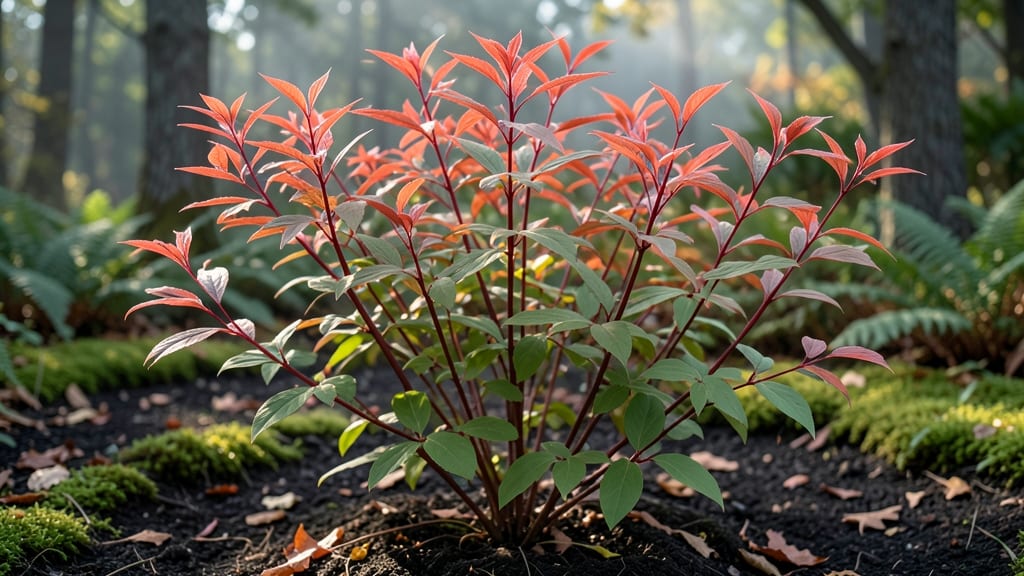
The Hartlage Wine sweetshrub transforms your yard into a fragrant haven without a single thorn. 🌿 I planted mine three years ago, and now it’s the star of my privacy screen—dark red stems, white spring blooms, and berries that birds adore. The fragrance?
Like a cross between grape jelly and vanilla, but better. This plant thrives in partial shade to full sun and handles most soils, though it loves moisture. My 3-foot-tall hedge now blocks nosy neighbors while filling the air with sweet scent.
The key is keeping it pruned after flowering to encourage dense growth. By year three, you’ll have a lush, fragrant barrier that’s easier to maintain than traditional hedges. No thorns mean no gloves needed, and the berries attract pollinators all season. Perfect for borders, foundation plantings, or even container growing.
Here’s the secret: plant in early spring, water deeply the first year, and prune lightly each winter. Within three years, you’ll have a fragrant, thorn-free privacy screen that’s the talk of the neighborhood.
📚 In This Guide
- What you need
- Instructions
- Tips and common mistakes
- Wrapping up and next steps
What you need
- ● Hartlage Wine Sweetshrub plants – 3–5 per linear foot (adjust based on desired spacing; aim for 10–12 feet apart for mature size). Choose 1–2 year-old nursery-grown plants for best establishment.
- ● Well-draining soil mix – Native soil amended with 30% compost or a loamy, slightly acidic (pH 5.5–6.5) blend.
- ● Organic mulch – 3–4 inches of wood chips or pine straw to retain moisture and suppress weeds.
- ● Slow-release fertilizer – Balanced 10-10-10 or acidic fertilizer (e.g., 8-3-9) for initial planting.
- ● Drip irrigation system or soaker hoses – Critical for consistent moisture during the first 2–3 years.
- ● Pruning shears – Sharp, bypass-pruners (8–10 inches) for shaping and maintenance.
- ● Garden gloves – Heavy-duty, chemical-resistant for thorn-free handling.
- ○ Stakes and twine – Optional but helpful for young plants to prevent wind damage.
- ● Soil pH test kit – Ensures optimal growing conditions for fragrant blooms.
- ● Post-hole digger – For planting deeper root balls in heavy clay soil.
- ● Plant food spray – Foliar feed (e.g., fish emulsion) for a quick nutrient boost.
- ● Thorn-proof gardening sleeves – For peace of mind while working with young shrubs.
- ● Wire mesh or deer fence – Protects seedlings from wildlife in high-traffic areas.
Step-by-step guide to planting and cultivating Hartlage Wine Sweetshrub
This fragrant, thorn-free shrub thrives with the right care—here’s how to plant and nurture it for years of privacy and perfume.
🌱 Step 1: Choose the Perfect Planting Location
Hartlage Wine Sweetshrub loves full sun to partial shade, with at least 6 hours of sunlight daily for optimal growth and fragrance. I always pick a spot where the afternoon sun won’t scorch the leaves—think morning sun with afternoon shade if your climate runs hot. The soil should drain well but retain moisture; if yours is heavy clay, mix in 2-3 inches of compost before planting.
This shrub grows 6-8 feet tall and wide, so give it space to spread without crowding other plants. If you’re using it for privacy, plant 3-4 shrubs in a row, spaced 6 feet apart—that’s the sweet spot for a lush, fragrant hedge. Avoid low-lying areas where water pools, as soggy roots lead to root rot.
🪴 Step 2: Dig and Plant with Care
Dig a hole twice as wide as the root ball but no deeper—burying too far encourages weak stems. Gently loosen the roots if they’re circling the pot, then place the shrub in the hole so the top of the root ball sits level with the surrounding soil. This prevents water from pooling around the stem, which can cause disease.
Backfill with the native soil, tamping lightly as you go to remove air pockets. Water deeply right after planting to settle the soil and eliminate gaps. I like to add a 2-inch layer of mulch around the base (but not touching the stem) to retain moisture and suppress weeds. Use organic mulch like shredded bark or pine needles—it breaks down slowly and adds nutrients over time.
☀️ Step 3: Water and Fertilize for Strong Growth
Keep the soil evenly moist but not soggy for the first 6-8 weeks—this helps roots establish without stress. After that, water once a week, adjusting for rain. You’ll know it’s time to water when the top 2 inches of soil feel dry to the touch. Overwatering is the biggest mistake here; these shrubs are drought-tolerant once established.
Feed with a balanced, slow-release fertilizer (10-10-10) in early spring and again in mid-summer. I avoid high-nitrogen fertilizers—they encourage leafy growth at the expense of fragrance. A light application of compost tea in late summer gives a gentle nutrient boost without burning the roots.
✂️ Step 4: Prune for Shape and Fragrance
Prune Hartlage Wine Sweetshrub in late winter or early spring before new growth begins. This keeps the shrub dense and encourages more fragrant blooms. Cut back 1/3 of the oldest stems to the ground to rejuvenate the plant and promote new growth from the base. For shaping, trim just above a leaf node or bud—never leave stubs.
If you’re growing it as a hedge, prune twice a year: once in spring and again in summer after flowering. Avoid heavy pruning in fall, as new growth won’t harden off before winter. The more you prune, the bushier and more fragrant it becomes—just don’t go overboard, or you’ll sacrifice next year’s blooms.
🌿 Step 5: Protect and Enjoy Year-Round
This shrub is drought-tolerant once established, but it still benefits from 1 inch of water per week during dry spells. In winter, a 2-3 inch layer of mulch protects roots from freezing temperatures. If you live in a harsh climate, consider wrapping young shrubs with burlap for the first few winters—they’re tough but still need a little help.
Here’s the best part: Hartlage Wine Sweetshrub’s fragrance peaks in late spring and early summer, but it stays pleasant all season. Brush against the leaves on a warm day, and you’ll get a whiff of wine-like sweetness—that’s why it’s called "wine sweetshrub." With the right care, it’ll reward you with thorn-free privacy and intoxicating scent for decades.
Tips & tricks for perfect Hartlage Wine Sweetshrub cultivation
These pro tips will help you avoid common pitfalls and maximize the fragrance and beauty of your Hartlage Wine Sweetshrub.
Location is Everything: The 6 hours of sunlight requirement is non-negotiable for optimal fragrance, but don't just focus on quantity—quality matters too. I've found that positioning your shrub where it gets morning sun with afternoon shade creates the perfect balance. This prevents leaf scorch while still maximizing fragrance production. If your yard gets intense afternoon sun, consider planting near a building or larger tree that provides natural shade during the hottest hours.
Root Ball Preparation: When planting, don't skip the step of loosening circling roots—this is crucial for establishing a strong root system. I've seen many gardeners overlook this, and their shrubs struggle in the first year. Use your fingers or a fork to gently separate the roots, creating a more natural root ball shape. This encourages outward growth rather than the roots circling in the pot, which can strangle the plant over time. The goal is to mimic the natural root spread you'd find in the wild.
Pruning for Fragrance: The late winter/early spring pruning window is critical for encouraging fragrant blooms. When you cut back 1/3 of the oldest stems, you're not just shaping the plant—you're stimulating new growth that will produce more fragrant flowers. I recommend using sharp, clean pruners and making cuts just above a leaf node or bud. This technique promotes bushier growth and more abundant blooms. The key is to prune before new growth begins, so the plant has time to recover and establish new stems before summer heat arrives.
Mulching Strategy: That 2-inch layer of mulch isn't just for looks—it's a game-changer for moisture retention and weed suppression. I've found that organic mulches like shredded bark or pine needles work best because they break down slowly, adding nutrients to the soil over time. The mulch should always be kept away from the stem to prevent rot. In winter, increase your mulch layer to 2-3 inches to provide extra insulation against freezing temperatures, especially in harsh climates.
Pro Tips for Hartlage Wine Sweetshrub
- These pro tips will help you avoid common pitfalls and maximize the fragrance and beauty of your Hartlage Wine Sweetshrub.
- Location is Everything: The 6 hours of sunlight requirement is non-negotiable for optimal fragrance, but don't just focus on quantity—quality matters too.
- Root Ball Preparation: When planting, don't skip the step of loosening circling roots—this is crucial for establishing a strong root system.
Frequently asked questions
about Hartlage Wine Sweetshrub—your go-to for thorn-free privacy and fragrant beauty!How long does it take for Hartlage Wine Sweetshrub to reach full fragrance?
The Hartlage Wine sweetshrub typically reaches its peak fragrance within 2–3 years after planting, especially when pruned and cared for properly. Early blooms may be lighter in scent, but consistent care (like deadheading and mulching) accelerates full aroma development. Patience pays off—imagine a wine-scented privacy hedge in just a few seasons!
Can I grow Hartlage Wine Sweetshrub in containers?
Yes! While it thrives in the ground, Hartlage Wine can also grow in large containers (15+ gallons) with well-draining soil. Use a mix of garden soil and compost, and ensure the pot has drainage holes. Keep it in full sun to partial shade, and expect slower growth compared to in-ground plants. Perfect for patios or small yards!
How cold-hardy is this sweetshrub, and does it need winter protection?
Hartlage Wine is USDA Zones 5–9 hardy, meaning it tolerates winters down to -20°F (-29°C). In colder zones (like Zone 5), mulch the base with 3–4 inches of shredded bark or leaves to insulate roots. Young plants may benefit from a burlap wrap in extreme freezes, but mature shrubs usually handle winter just fine.
Why isn’t my sweetshrub flowering or fragrant yet?
If your Hartlage Wine is slow to bloom or scent, check these fixes:
- Sunlight: Ensure it gets 6+ hours of sun daily—partial shade may delay fragrance.
- Soil: Amend heavy clay with compost for better drainage.
- Pruning: Trim leggy growth in early spring to encourage bushier, fragrant blooms.
- Fertilizer: A balanced 10-10-10 in spring can boost growth.
Are there thorn-free alternatives if I don’t want sweetshrub?
If thorns aren’t your thing, consider these thorn-free, fragrant privacy options:
Plant
Fragrance Notes
Growth Habit
Abelia × grandiflora
Light floral, honey-like
3–6 ft tall, bushy
Forsythia
Bright, citrusy (early spring)
6–10 ft tall, arching
Dwarf Lilac
Sweet, intoxicating (spring blooms)
3–5 ft tall, compact
Wrapping up and next steps
Transforming your space with Hartlage Wine Sweetshrub is a rewarding journey—one that combines beauty, fragrance, and practicality! 🌿 Over three years, you’ll enjoy a lush, thorn-free hedge that not only enhances privacy but also fills your garden with a delightful, wine-scented aroma.
Whether you’re a seasoned gardener or just starting out, this fragrant blueprint makes it easy to create your dream outdoor retreat.
Ready to take the next step? Gather your tools, mark your space, and plant your first row of Wine Sweetshrub today! With patience and care, you’ll soon be savoring the sweet rewards of your hard work. 🌱✨