
Trees
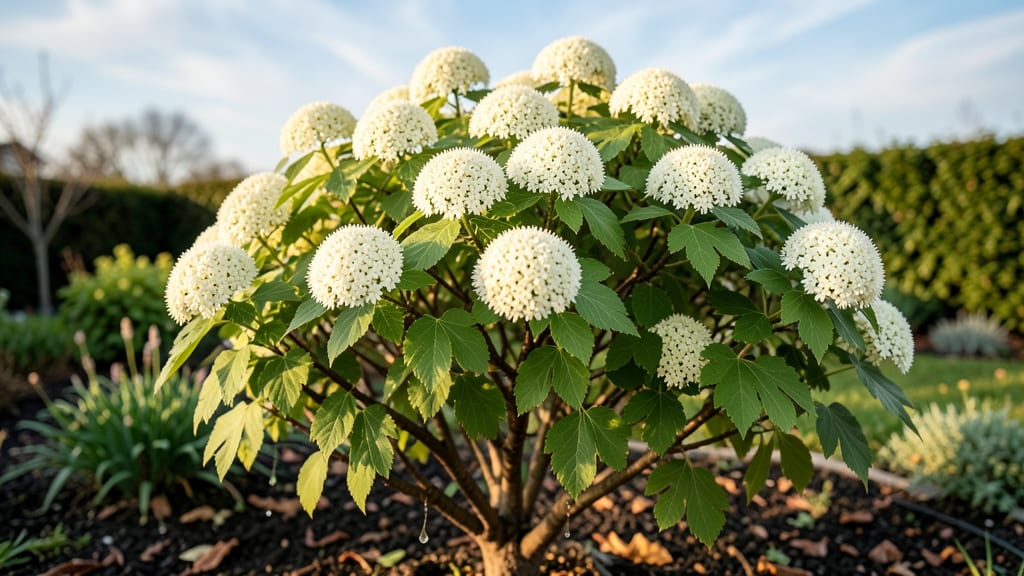
The first flush of snowball shrub pictures in May is the moment your garden truly wakes up. ✨ The fragrant, thorn-free clusters of white flowers aren't just pretty—they're the backbone of a year-round garden that feels like a postcard come to life.
I've used them as a dramatic focal point, a fragrant border, and even as a living privacy screen, and every time, they steal the show. What makes them special? Their three-season interest: creamy spring blooms, fiery fall foliage, and even winter structure when the berries persist.
They thrive in partial shade where many shrubs struggle, and their rounded shape softens any garden corner. The best part? They're low-maintenance—just prune after flowering, and they'll reward you with decades of beauty. Imagine your front walkway lined with these, their scent lingering on the breeze as you pass.
Or picture them anchoring a cottage garden, their delicate blooms contrasting with bold perennials. They work in formal gardens too, their neat habit making them perfect for hedges or topiary. For maximum impact, pair them with blue flag iris for a striking contrast or ferns for a lush, woodland feel.
In containers, they're stunning with heuchera and hostas. Let's bring that dreamy, fragrant garden to life!
📚 In This Guide
- What you need
- Instructions
- Tips and common mistakes
- Wrapping up and next steps
What you need
- ● Snowball shrub (Viburnum opulus): 1-3 mature plants (3-5 ft tall, 3-5 ft wide) for a stunning focal point.
- ● OR Seeds or rooted cuttings (if propagating from scratch).
- ● Planting site: Full sun to partial shade (4-6 hours of sunlight daily).
- ● Well-draining soil (amend with compost if your soil is heavy clay).
- ○ Soil amendments (optional but recommended): 2-3 gallons of organic compost or peat moss per planting hole.
- ● 1 cup slow-release fertilizer (10-10-10 ratio) mixed into the soil.
- ● Garden tools: 1 shovel or spade (for digging planting holes).
- ● 1 garden trowel (for delicate root adjustments).
- ● 1 pruning shears (to trim dead branches post-planting).
- ● Watering supplies: 1 hose with adjustable nozzle or watering can (5-gallon capacity).
- ● 2-3 mulch chips (2-3 inches thick, e.g., wood chips or pine straw).
- ○ Safety gear (optional): 1 pair gardening gloves (to protect from thorns if handling young plants).
- ● 1 knee pad (for comfort during planting).
- ● ✅ Check your hardiness zone: Snowball shrubs thrive in zones 2-7. Verify yours here!
- ● ✅ Timing: Plant in early spring or fall (avoid extreme heat or frost).
- ● ✅ Spacing: Leave 5-6 feet between plants for optimal airflow and growth.
How to design a stunning snowball shrub canopy
Here's how I create fragrant, thorn-free shrub canopies that bloom like snowballs year after year.
🌿 Step 1: Select the Right Snowball Shrub Varieties
Start with Viburnum opulus or Viburnum bodnantense—both produce those iconic snowball clusters. I always choose disease-resistant varieties like 'Snowball' or 'Dawn' for reliable blooms. These shrubs grow 6-10 feet tall and thrive in full sun to partial shade, making them perfect for canopies.
For fragrance, add Viburnum carlesii or Viburnum farreri—their spring blooms smell like lilacs. Plant them 10-15 feet apart to create a lush, layered effect. If you want year-round interest, include evergreen varieties like Viburnum tinus for winter color.
☀️ Step 2: Choose the Perfect Planting Location
Snowball shrubs love morning sun and afternoon shade in hot climates, but they tolerate full sun in cooler regions. Avoid low spots where water pools—they hate soggy roots. I always test the soil first; these shrubs prefer well-draining, slightly acidic soil (pH 5.0-6.5).
For a canopy effect, plant them along fences, trellises, or as a windbreak. If you're creating a privacy screen, space them 8-10 feet apart in rows. Mulch with 3 inches of organic mulch (like shredded bark) to retain moisture and regulate soil temperature.
🪴 Step 3: Plant for Structure and Long-Term Growth
Dig holes twice as wide as the root ball but no deeper—planting too deep suffocates roots. Gently remove the shrub from its container and loosen any circling roots. Place it in the hole so the top of the root ball sits 1 inch above ground level—this prevents rot during heavy rains.
Backfill with native soil mixed with compost (I use a 50/50 blend) and water deeply to settle it. Stake young shrubs if your area gets strong winds. Prune only to shape—never cut back more than 1/3 of the plant in one season, or you risk losing next year's blooms.
✂️ Step 4: Prune for Bloom and Shape
Prune right after flowering to encourage next year's blooms. Remove dead or crossing branches first, then thin out 10-20% of the oldest stems at the base. This keeps the shrub open and airy, preventing disease. I always sterilize my pruners with rubbing alcohol between cuts to avoid spreading bacteria.
Shape the canopy by trimming back overly long branches to maintain a rounded form. Avoid heavy pruning in late summer—new growth won’t harden off before winter. For a fuller look, pinch back new growth by 1/3 in early summer; you’ll see bushier foliage in no time.
💧 Step 5: Water and Fertilize for Year-Round Health
Water deeply once a week during the first growing season, then taper to every 2 weeks once established. These shrubs are drought-tolerant once mature, but young plants need consistent moisture. I check soil moisture by sticking my finger 2 inches deep—if it feels dry, it's time to water.
Fertilize in early spring with balanced 10-10-10 fertilizer (follow package rates). Avoid high-nitrogen fertilizers—they promote leafy growth at the expense of flowers. For extra fragrance, add a handful of composted manure around the base in fall. Mulch again in late winter to protect roots from freezing temperatures.
Tips & tricks for perfect snowball shrub canopies
Creating a fragrant, thorn-free shrub canopy takes patience—but these tricks will help you avoid common mistakes and get stunning results every time.
Variety Layering: I learned this the hard way after planting all the same shrubs and ending up with a monochromatic display. Mix Viburnum opulus or Viburnum bodnantense (for those iconic snowball blooms) with Viburnum carlesii or Viburnum farreri (for fragrance). The 10-15 foot spacing creates natural layers that look like a professional designer planned it.
Soil Test First: Never skip this step! Snowball shrubs thrive in slightly acidic soil (pH 5.0-6.5), but many garden soils are alkaline. I test my soil before planting and amend with sulfur or peat moss if needed. The 3 inches of organic mulch helps maintain that ideal pH over time while keeping roots cool.
Pruning Precision: The timing and technique in Step 4 make all the difference. Always prune right after flowering—never in late summer. When thinning out 10-20% of oldest stems, cut at the base where the stem meets the trunk. This encourages new growth from the base rather than just the tips. Sterilizing pruners between cuts (I use rubbing alcohol) prevents spreading bacterial infections that can ruin your canopy.
Watering Wisdom: Those first-year plants need consistent moisture, but overwatering is just as bad as underwatering. I check soil moisture by sticking my finger 2 inches deep—if it feels dry, that's when I water deeply (not just a light sprinkle). Once established, they become drought-tolerant, but young plants need that weekly watering during their first growing season.
Pro Tips for Snowball Shrub Pictures
- Creating a fragrant, thorn-free shrub canopy takes patience—but these tricks will help you avoid common mistakes and get stunning results every time.
- Variety Layering: I learned this the hard way after planting all the same shrubs and ending up with a monochromatic display.
- Soil Test First: Never skip this step!
Frequently asked questions
Got questions about snowball shrubs? You’re not alone!
Whether you’re planning a garden or troubleshooting an existing plant, here are answers to the most common queries to help you grow a thriving, fragrant hedge.
What’s the best time of year to plant snowball shrubs?
Plant snowball shrubs in early spring or fall when temperatures are mild. Avoid extreme heat or frost, as these can stress young roots. Spring planting gives them time to establish before winter, while fall allows roots to settle before dormancy. Pro tip: Water deeply after planting to reduce transplant shock!
Do snowball shrubs lose their leaves in winter?
Yes, they’re deciduous and drop leaves in cold months but stay dormant rather than dying. Their branches often retain a skeletal structure, adding winter interest. In spring, fresh foliage and blooms return. Bonus: Their bare branches create a stunning contrast against snow!
How do I prune a snowball shrub to keep it bushy?
Prune right after flowering (late spring/early summer) to shape the shrub and encourage dense growth. Use clean, sharp shears to cut back 1/3 of the oldest stems to the ground and trim others to open the center. Avoid heavy pruning in fall—it can stimulate late growth vulnerable to frost. Warning: Never prune when buds are forming (winter/early spring)!
Are snowball shrubs deer-resistant?
While they’re not fully deer-proof, deer usually avoid them due to their thornless but slightly bitter foliage. For extra protection, apply deer repellent or plant them near deer-deterrent companions like boxwoods or lavender. Young shrubs may need temporary safeguards like fencing until established.
How much sun do snowball shrubs need?
They thrive in full sun (6+ hours/day) for best blooms and compact growth, but tolerate partial shade (4–6 hours). In hot climates, afternoon shade can prevent leaf scorch. Key: More sun = more flowers, but ensure well-draining soil to avoid root rot.
What if my snowball shrub isn’t blooming?
Common culprits include over-pruning (cutting flower buds), poor sunlight, or nutrient deficiencies. Try:
- Pruning after blooming to preserve next year’s buds.
- Fertilizing in early spring with a balanced 10-10-10 formula.
- Ensuring 6+ hours of sun and well-draining soil.
Wrapping up and next steps
From their delicate spring blooms to their glossy evergreen foliage, snowball shrubs offer a year-round burst of elegance and fragrance—without a single thorn! 🌸 Whether you’re dreaming of a fragrant hedge, a striking focal point, or a low-maintenance landscape staple, these shrubs deliver beauty, resilience, and charm in every season.
Now that you’re inspired, take the next step! Browse our curated snowball shrub pictures for planting ideas, or visit a local nursery to pick your perfect variety. Your fragrant, thorn-free oasis is just a few clicks—or a shovel’s depth—away!