
Shrubs
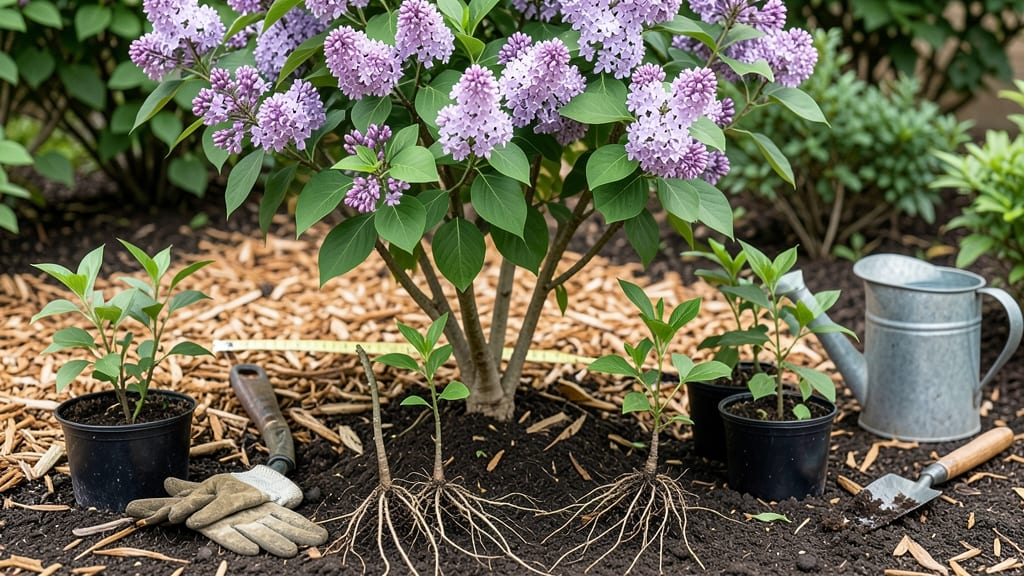
Planting lilac shrubs transforms your yard into a fragrant sanctuary that blooms every spring. 🌿 I learned the hard way that site selection makes all the difference—these shrubs thrive in full sun and well-draining soil, or they'll sulk with sparse blooms and yellowing leaves.
The secret to their legendary fragrance starts with choosing the right spot and healthy plants. You'll need basic tools: a shovel, pruners, and compost for amending the soil.
Dig holes twice as wide as the root ball but only as deep, then mix in organic matter to give those roots room to spread. Lilacs hate soggy feet, so if your soil drains poorly, add sand or gravel to the planting hole first.
Once planted, water thoroughly to settle the soil and encourage root growth. A 2-3 inch layer of mulch keeps moisture in and weeds out, while proper spacing (6-10 feet apart) prevents future crowding. With the right care, your lilacs will reward you with 10-14 days of intense fragrance each spring.
The best part? Lilacs age beautifully, developing a sturdy framework that supports more blooms each year. Prune right after flowering to maintain shape and encourage next year's blossoms—this one habit keeps them thriving for decades.
📚 In This Guide
- What you need
- Instructions
- Tips and common mistakes
- Wrapping up and next steps
What you need
- ● Lilac shrubs: 1–3 healthy nursery-grown plants (choose Syringa vulgaris or varieties like ‘Katherine Havemeyer’ or ‘Dwarf Korean’).
- ● High-quality potting soil: 2–3 cubic feet (or 1 bag per plant). Opt for well-draining, slightly alkaline soil (pH 6.5–7.5).
- ● Organic compost: 1–2 gallons per plant to enrich the soil.
- ● Slow-release fertilizer: 10-10-10 or 5-10-10 (1 lb per plant).
- ● Mulch: 2–3 inches of wood chips or shredded bark (spread in a 2–3 ft radius around the base).
- ● Garden trowel or spade: For digging holes (12–18 inches wide/deep).
- ● Garden gloves: To protect your hands from thorns and soil.
- ● Watering can or hose with a gentle spray nozzle: For post-planting hydration.
- ● Measuring tape or ruler: To ensure proper spacing (3–6 ft apart, depending on variety).
- ● Pruning shears: For trimming dead branches or shaping after planting.
- ● Epsom salt: 1 tbsp per hole (boosts magnesium for vibrant blooms).
- ● Plant support stakes: If planting in windy areas.
- ● Soil pH test kit: To confirm alkalinity before planting.
- ● Drip irrigation system: For consistent moisture (especially in dry climates).
- ● Decorative rocks or edging: To define plant beds and deter weeds.
Step-by-step instructions for planting lilac shrubs
Here’s the method I’ve used to establish healthy, fragrant lilacs that bloom reliably year after year.
🌱 Step 1: Choose the Perfect Planting Spot
Lilacs thrive in full sun—at least 6 hours of direct sunlight daily—but they tolerate partial shade if you live in a hot climate. I always pick a location with well-draining soil because soggy roots lead to root rot. If your yard has heavy clay, amend the soil with 2-3 inches of compost mixed into the top 12 inches of soil.
Space your shrubs 8-12 feet apart for mature size, depending on the variety. Lilacs grow wide, so crowding them too close will smother their growth and reduce airflow—leading to fungal diseases. Test your soil’s pH (ideal is 6.0-7.0) and adjust with lime if needed. I like to dig a hole twice as wide as the root ball but only as deep as the container’s base.
🪴 Step 2: Prepare the Hole and Remove the Shrub
Loosen the roots of your lilac shrub by gently teasing them apart if they’re root-bound. This prevents circling roots that strangle the plant later. Place the shrub in the hole so the top of the root ball sits level with the surrounding soil—burying too deep suffocates the plant, while planting too high leaves roots exposed and prone to drying.
Backfill the hole with the native soil you removed, tamping lightly every 2-3 inches to eliminate air pockets. Water deeply to settle the soil around the roots. If you’re planting multiple shrubs, I recommend spacing them 10-12 feet apart for a natural, fragrant hedge. Avoid planting near large trees or shrubs that will compete for water and nutrients.
☀️ Step 3: Water and Mulch for Establishment
After planting, water the lilac deeply—about 1-2 gallons per shrub—to encourage roots to spread into the surrounding soil. Keep the soil evenly moist (not soggy) for the first 2-3 weeks, then taper off to once a week unless your area experiences extreme heat or drought. Lilacs are drought-tolerant once established, but young plants need consistent moisture to root well.
Apply a 2-3 inch layer of mulch around the base, keeping it 3-4 inches away from the trunk to prevent rot. I use wood chips or shredded bark because they break down slowly and improve soil structure over time. Mulch helps retain moisture, regulate soil temperature, and suppress weeds—all critical for lilacs in their first growing season.
✂️ Step 4: Prune for Shape and Health
Prune lilacs right after flowering (late spring to early summer) to shape the shrub and encourage next year’s blooms. Remove dead, diseased, or crossing branches first, then trim back any branches that spoil the natural shape. Avoid heavy pruning—never cut more than one-third of the plant’s height in a single season. Lilacs bloom on old wood, so pruning too late in the season removes next year’s flower buds.
Use clean, sharp pruners to make cuts just above a bud or branch junction, angled slightly away from the bud. This ensures water runs off properly and prevents rot. If your lilac is overgrown, prune gradually over 2-3 years to avoid shocking the plant. After pruning, water deeply to help the shrub recover and promote new growth.
Tips & tricks for planting lilac shrubs
Took me a while to figure these out, so here's what nobody tells you about planting lilacs that actually thrive.
Location is Everything: That 6 hours of sunlight is non-negotiable for peak blooms. If your yard only gets 4-5 hours, consider planting near a south-facing wall where reflected light extends the sun exposure. I’ve seen lilacs in partial shade still produce flowers, but they’ll be less abundant and vibrant. The key is to avoid deep shade areas where the plant struggles to photosynthesize enough for energy.
Root Ball Level Matters: When placing your lilac in the hole, the top of the root ball should sit level with the surrounding soil—this is critical. I’ve seen gardeners bury the root ball too deep, which suffocates the plant, or plant too high, leaving roots exposed to dry out. Use a level tool to double-check before backfilling. The goal is to mimic the plant’s natural soil depth from its container.
Watering Wisdom: The first 2-3 weeks are make-or-break for new lilacs. Water deeply—1-2 gallons per shrub—to encourage roots to spread outward. I like to water slowly at the base rather than splashing leaves, which can promote fungal diseases. After those initial weeks, reduce to once a week unless you’re in extreme heat or drought. Overwatering is just as harmful as underwatering—always check soil moisture before watering.
Mulch Like a Pro: That 2-3 inch layer of mulch isn’t just for looks—it’s a game-changer. Keep it 3-4 inches away from the trunk to prevent rot. I’ve found that wood chips or shredded bark work best because they break down slowly and improve soil structure over time. Refresh the mulch layer annually to maintain its benefits, especially in hot climates where moisture retention is key.
Pro Tips for Planting Lilac Shrubs
- Took me a while to figure these out, so here's what nobody tells you about planting lilacs that actually thrive.
- Location is Everything: That 6 hours of sunlight is non-negotiable for peak blooms. If your yard only gets 4-5 hours,...
- Root Ball Level Matters: When placing your lilac in the hole, the top of the root ball should sit level with the surr...
Frequently asked questions
Got questions about planting lilac shrubs? You’re not alone—these fragrant beauties spark curiosity! Here are answers to the most common queries to help you grow confidently.
When is the best time to plant lilac shrubs?
The ideal window is early spring or early fall when soil is workable but not frozen. Avoid extreme heat or cold—lilacs thrive with 6–8 weeks of mild weather to establish roots. If planting in summer, water deeply and mulch to retain moisture.
How much water do lilac shrubs need after planting?
Water thoroughly 1–2 times per week for the first month, keeping soil consistently moist but not soggy. Once established (after 1–2 years), lilacs are drought-tolerant—reduce watering to once every 2 weeks unless your climate is exceptionally dry or hot.
Can I plant lilacs in full shade? Will they still bloom?
Lilacs prefer full sun (6+ hours/day) for optimal blooms, but they’ll survive in partial shade (4–6 hours of sun). In shadier spots, expect fewer, smaller flowers. If planting in shade, choose a dwarf variety like ‘Miss Kim’ for better adaptation.
Why aren’t my lilac shrubs blooming? Troubleshooting tips.
Common culprits include:
- Too much nitrogen: Fertilizers high in N promote leafy growth but reduce flowers. Use a balanced 10-10-10 or low-N formula instead.
- Over-pruning: Lilacs bloom on old wood. Prune right after flowering (never in late summer/fall) to avoid cutting off next year’s buds.
- Improper sunlight: Check for ≤4 hours of sun/day—relocate or thin nearby trees if needed.
If the issue persists, test soil pH (6.0–7.0 is ideal) or consider transplanting to a sunnier spot.
Are there fragrant lilac alternatives for small gardens?
Yes! If space is tight, try these compact, fragrant shrubs:
Variety
Height
Fragrance Notes
‘Miss Kim’ Lilac
3–5 ft
Sweet, classic lilac (lavender-like)
Dwarf Butterfly Bush
4–6 ft
Vanilla, citrusy, or spicy (depends on variety)
Mock Orange (Philadelphus)
4–8 ft
Orange blossom (intense, sweet)
All three thrive in similar conditions and offer low-maintenance beauty with minimal pruning.
Wrapping up and next steps
Planting lilac shrubs is a rewarding way to bring fragrance, color, and timeless beauty to your garden. With the right location, soil prep, and care, these versatile shrubs will thrive for years—delighting you with spring blooms and seasonal interest.
Now that you’re armed with the know-how, roll up your sleeves and get planting! 🌱
Ready to take the next step? Mark your calendar for early spring or fall—ideal times to plant—and watch your lilacs grow into a fragrant, stunning centerpiece. Happy gardening!