
Blooming
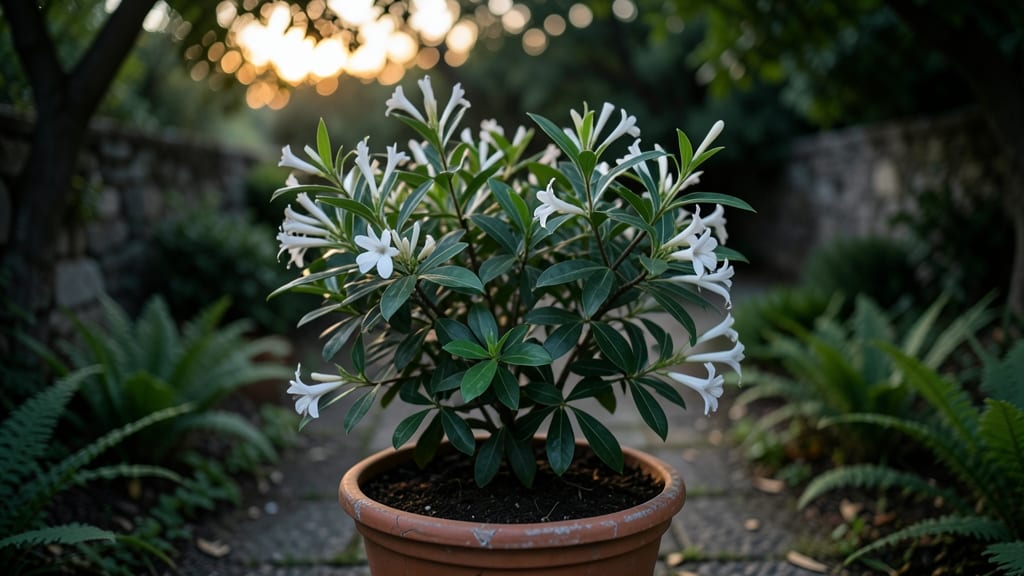
Growing night-blooming jasmine transforms your garden into a moonlit perfume factory. 🌙 This thorn-free shrub (Cestrum nocturnum) thrives in warm climates and rewards you with intoxicating nighttime fragrance—if you get the sunlight, soil, and pruning right.
The secret to lush growth lies in well-draining soil and 6+ hours of afternoon sun. Water deeply once a week (more in summer), but avoid soggy roots—this shrub hates wet feet. Prune lightly after blooming to encourage dense, fragrant foliage without sacrificing flowers.
By summer’s end, your patio or garden will hum with pollinators and fill with sweet, jasmine-scented air as dusk falls. The glossy leaves stay evergreen year-round in frost-free zones (USDA 9-11), making it a low-maintenance star. For cooler climates, grow it in containers and overwinter indoors.
The key? Balance pruning and feeding—never let it get too hungry or leggy. Here’s how to keep it thriving all season.
📚 In This Guide
- What you need
- Instructions
- Tips and common mistakes
- Wrapping up and next steps
What you need
- ● Night blooming jasmine plants: 1-3 young plants (3-5 ft tall, potted or bare-root)
- ● Recommended varieties: Cestrum nocturnum (most common) or Solanum jasminoides (thorn-free options)
- ● Well-draining potting mix: 5-10 gallons (depending on pot size)
- ● Mix: 60% garden soil, 20% perlite, 20% compost
- ● Containers or garden bed: For pots: 15-20 gallon containers (with drainage holes)
- ● For in-ground: Full sun to partial shade spot (6+ hours of light)
- ● Fertilizer: Balanced, slow-release fertilizer (10-10-10 or 20-20-20, 1 lb per plant)
- ● Pruning shears: Sharp, sterilized shears (for shaping and deadheading)
- ● Watering can or hose: With a gentle spray nozzle (to avoid damaging blooms)
- ● Mulch: 2-3 inches of organic mulch (shredded bark or straw) to retain moisture.
- ● Trellis or support: For climbing varieties (if pruned to encourage vining).
- ● Copper wire or stakes: To train young plants (if needed).
- ● Fragrance-enhancing spray: Light neem oil spray (1 tsp per gallon of water) to boost blooms.
- ● Garden gloves: For thorn-prone varieties (though night blooming jasmine is typically thorn-free!).
Step-by-Step guide to planting and cultivating night blooming jasmine
Transform your garden into a fragrant evening retreat with these proven techniques for thriving, thorn-free night blooming jasmine.
🌱 Step 1: Select the Right Planting Site and Prepare the Soil
Night blooming jasmine (Cestrum nocturnum) thrives in full sun to partial shade, with at least 6 hours of direct sunlight daily. Choose a location sheltered from strong winds, as the delicate blooms can be damaged. The soil should be well-draining but moisture-retentive, with a slightly acidic to neutral pH (6.1-7.5). Amend heavy clay soil with 2-3 inches of compost and a handful of sand or perlite to improve drainage.
Dig a hole twice as wide as the root ball but only as deep as the container it came in. Loosen the roots gently if the plant appears root-bound. Here's the thing—night blooming jasmine grows fast, so give it space: plant 4-6 feet apart for a shrub form or 8-10 feet apart if you want a small tree-like structure. Water the hole thoroughly before planting to settle the soil.
🪴 Step 2: Plant and Establish the Shrub
Place the jasmine in the hole, ensuring the top of the root ball sits level with the surrounding soil. Fill the hole with soil, pressing gently to remove air pockets, but don’t compact it too firmly—jasmine roots need room to breathe. Water deeply immediately after planting to help the soil settle around the roots. You’ll know it’s right when the soil looks slightly damp but not soggy.
Mulch the base of the plant with 2-3 inches of organic mulch (like shredded bark or pine needles) to conserve moisture and regulate soil temperature. Keep the mulch 2 inches away from the stem to prevent rot. Water every 2-3 days for the first 2 weeks, then taper to once a week once new growth appears. Overwatering now will drown the roots—jasmine prefers consistency over soggy soil.
☀️ Step 3: Prune for Bushier Growth and Fragrance
Prune your jasmine right after flowering (late spring to early summer) to encourage bushier, more fragrant growth. Use clean, sharp pruners to cut back one-third of the oldest stems to the ground. This removes less productive wood and stimulates new growth from the base. For shaping, trim back any leggy or overcrowded branches to just above a leaf node—this ensures the plant regrows in a denser form.
Real talk: Avoid heavy pruning in fall or winter, as jasmine blooms on new wood, and late cuts can reduce next season’s flowers. If you notice thorns developing (a sign of stress or poor growing conditions), prune lightly to redirect energy into foliage rather than defensive growth. You’ll see thicker, fuller growth within 4-6 weeks of proper pruning.
💧 Step 4: Maintain Through Seasons for Continuous Blooms
Night blooming jasmine loves warmth and humidity, so in summer, water deeply 2-3 times per week if rainfall is minimal. The key is to keep the top 2 inches of soil consistently moist—never let it dry out completely. Fertilize once in early spring with a balanced, slow-release fertilizer (10-10-10) to support vigorous growth. Skip fall fertilization, as the plant enters dormancy.
In winter, reduce watering to once every 2-3 weeks unless temperatures drop below 20°F, in which case protect the plant with burlap wraps or frost cloth. Jasmines are tender perennials in cold climates, so if you’re in Zone 9 or colder, treat it as an annual or grow it in containers for winter protection. You’ll know it’s happy when it bursts into white, tubular blooms at dusk, filling the air with a sweet, intoxicating fragrance.
✂️ Step 5: Harvest and Enjoy the Fragrance
To prolong blooming, deadhead spent flowers by pinching them off just above the next set of leaves. This redirects the plant’s energy into producing more blooms. For maximum fragrance, harvest blooms in the late afternoon when their scent is strongest. Place them in a cool, dark place (like a vase with water) to enjoy their evening aroma indoors.
Here’s where it gets fun—jasmine’s night-blooming habit makes it perfect for moon gardens. Plant it near seating areas, patios, or walkways so you can stroll through the garden as the flowers open. With proper care, your jasmine will reward you with months of fragrant blooms, turning your evenings into a sensory delight.
Tips & tricks for thriving night blooming jasmine
These insider secrets will help you cultivate a lush, fragrant jasmine shrub that blooms reliably and stays thorn-free.
Soil Preparation Secret: Before planting, test your soil's drainage by digging a small hole and filling it with water. If it drains within 30 minutes, your soil is perfect. If it takes longer, add more sand or perlite to the mix—jasmine roots need oxygen as much as water. I've seen plants struggle in heavy clay because the roots suffocate, so don't skip this test. The 2-3 inches of compost we add isn't just for nutrients; it also improves soil structure for better root development.
Planting Depth Matters: When placing your jasmine in the hole, use a level as your guide to ensure the top of the root ball sits exactly level with the surrounding soil. Burying it too deep can cause root rot, while planting too high stresses the plant. After backfilling, press gently but firmly—you want to eliminate air pockets without compacting the soil too tightly. Think of it like giving the roots a supportive hug that lets them breathe.
Pruning Precision: When pruning those one-third of oldest stems in Step 3, look for stems that are thicker than a pencil—these are the ones to remove completely. Cut just above a leaf node where new growth will emerge, and always use clean pruners to prevent disease. I learned this the hard way when my first jasmine developed fungal issues from dirty cuts. The 4-6 week regrowth timeline is accurate, but you'll notice the most dramatic improvement in fragrance intensity during the second bloom cycle after pruning.
Seasonal Watering Strategy: During summer's 2-3 waterings per week, aim for deep watering that reaches 6-8 inches down—this encourages deep root growth. In winter, when we reduce to every 2-3 weeks, check moisture by sticking your finger 2 inches into the soil. If it feels dry, water; if it's moist, wait. The key is maintaining consistent moisture without creating soggy conditions that invite root rot. This balance is what keeps your jasmine thriving through all seasons.
Pro Tips for Night Blooming Jasmine Shrub
- These insider secrets will help you cultivate a lush, fragrant jasmine shrub that blooms reliably and stays thorn-free.
- Soil Preparation Secret: Before planting, test your soil's drainage by digging a small hole and filling it with water...
- Planting Depth Matters: When placing your jasmine in the hole, use a level as your guide to ensure the top of the roo...
Frequently asked questions
Got questions about your night-blooming jasmine shrub? You’re not alone! Here are the most common queries—plus expert tips to keep your fragrant beauty thriving under the moonlight.
How do I encourage more blooms on my night-blooming jasmine?
Prune lightly after flowering (early spring) to promote bushier growth. Ensure it gets at least 6 hours of sunlight daily and fertilize with a balanced, phosphorus-rich formula (like 10-10-10) in early spring. Deadhead spent blooms to redirect energy into new flowers. Pro tip: A light trim in late summer can also spur fall blooms!
When is the best time to plant night-blooming jasmine?
Plant in early spring or fall when temperatures are mild (50–70°F). Avoid extreme heat or frost, which can stress roots. If planting in containers, use well-draining soil and a pot at least 20 inches deep. Bonus: Mulch with 2–3 inches of organic matter to retain moisture and regulate soil temp.
Why isn’t my night-blooming jasmine flowering?
Common culprits include insufficient sunlight (it needs full sun!), over-fertilizing with nitrogen (which promotes leaves over blooms), or poor drainage. Check your plant’s location and soil—jasmine hates soggy roots. Fix it: Move to sunnier spot, switch to bloom-boosting fertilizer, and amend soil with perlite if needed.
Can I grow night-blooming jasmine in containers?
Choose a large container (18–24 inches wide) with drainage holes and use a well-draining potting mix. Water when the top inch of soil is dry, and fertilize monthly during growing season. Container hack: Place near a porch or patio to enjoy its nocturnal scent up close!
Are there thorn-free varieties of night-blooming jasmine?
Yes! While many jasmine varieties have mild thorns, ‘Night and Day’ (Cestrum nocturnum) and ‘Arabian Jasmine’ (Jasminum sambac) are often thorn-free or have very soft spines. Always check plant tags or ask nurseries for non-invasive options if thorns are a concern. Safety tip: Wear gloves when pruning just in case!
How cold can night-blooming jasmine tolerate?
Most varieties handle brief dips to 25°F, but prolonged cold (<20°F) can damage leaves or stems. In colder zones (USDA 9–11), grow it in containers and move indoors or wrap in burlap for winter. Hardy hack: Mulch heavily in fall to protect roots.
Wrapping up and next steps
The night blooming jasmine shrub is a dreamy addition to any garden, offering fragrant evenings and effortless, thorn-free growth. With the right care—like well-draining soil, pruning know-how, and a little patience—you’ll enjoy its sweet scent and lush beauty for years. 🌙✨
Ready to transform your space? Start by planting one today and watch your garden bloom under the moonlight! Need inspiration? Browse local nurseries or explore online guides for varieties that suit your climate.