
Shrubs
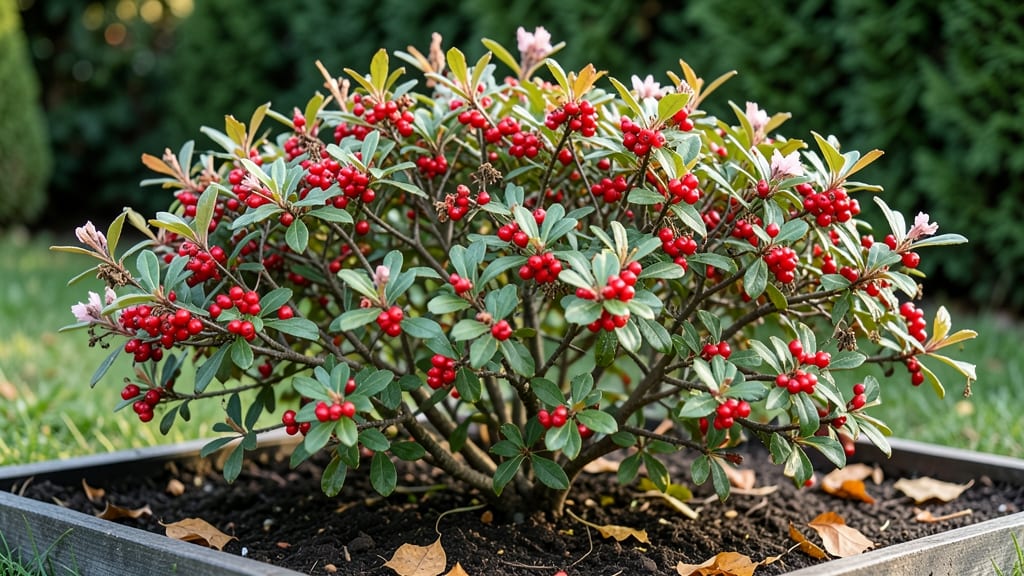
That flaming red shrub could be the bold statement your garden has been missing. 🌿 I’ve seen how a single plant with fiery foliage transforms a landscape—creating instant contrast against evergreens, softening hard lines, and drawing the eye like a natural masterpiece.
It’s not just about color; it’s about making your outdoor space feel alive, especially when paired with the right neighbors.
The magic happens when you place it strategically—think borders for a pop of color, focal points near pathways, or as a backdrop for delicate perennials.
My favorite combos include pairing it with silvery-blue foliage (like lavender or lamb’s ear) to make the red pop even more, or tucking it beside deep purples for a moody, dramatic effect. Even in winter, the structure holds interest, proving it’s not just a summer showstopper.
You’ll love how effortless it looks while still being low-maintenance. Most varieties thrive in full sun to part shade, with minimal pruning needed beyond shaping in late winter.
The payoff? A garden that feels curated, not just planted—where every season has something to offer, from spring blooms to fiery fall foliage that lingers through winter.
Whether you’re refreshing a tired foundation planting or adding drama to a modern design, this shrub delivers. Here’s how to make it work in your space without overpowering it—or your neighbors’ envy.
📚 In This Guide
- What you need
- Instructions
- Tips and common mistakes
- Wrapping up and next steps
What you need
- ● Flaming Red Shrub (e.g., Cotinus coggygria ‘Royal Purple’ or Pyracantha varieties): 1-3 mature plants (depending on desired coverage). Choose healthy, disease-free specimens with vibrant foliage.
- ● High-quality potting soil or native soil mix: 50 lbs (for in-ground planting) or a 15-gallon bag (for container gardening). Opt for well-draining soil amended with compost.
- ● Organic mulch (e.g., shredded bark or pine straw): 2-3 bags (for moisture retention and weed suppression).
- ● Slow-release fertilizer (10-10-10 or balanced organic): 1 lb (apply at planting and annually in early spring).
- ● Garden trowel or spade: 1 (for digging holes).
- ● Garden gloves: 1 pair (to protect your hands from thorns or rough bark).
- ● Watering can or hose with a gentle spray nozzle: 1 (for post-planting hydration).
- ● Pruning shears: 1 (for shaping and maintenance).
- ● Measuring tape or ruler: 1 (to ensure proper spacing—aim for 6-10 feet apart for full shrubs).
- ● Epsom salt (magnesium sulfate): 1 lb (boosts red foliage intensity—mix 1 tbsp per gallon of water monthly during growing season).
- ● Container or large planter: 1 (15-20 gallons, with drainage holes for potted shrubs).
- ● Plant support stakes: 2-4 (if planting in windy areas or for young shrubs).
- ● Drip irrigation system: 1 (for automated watering in dry climates).
- ● Fungicide (copper-based or neem oil): 1 spray bottle (preventative care for powdery mildew).
Step-by-step instructions for planting and caring for a flaming red shrub
Here's how to plant and maintain this standout shrub for vibrant, year-round impact in your landscape.
🌱 Step 1: Choose the Perfect Planting Location
Flaming red shrubs thrive in full sun to partial shade—at least 6 hours of direct sunlight daily for the best color intensity. I always scout the site first, checking for morning sun with afternoon shade if your climate gets scorching afternoons. Avoid low spots where water pools, as these shrubs hate soggy roots.
Test the soil pH with a simple kit—these shrubs prefer slightly acidic to neutral soil (pH 6.0-7.0). If your soil is heavy clay, amend with 2-3 inches of compost mixed into the top 12 inches of soil. The reason? Their striking foliage fades if roots struggle with poor drainage or compacted soil.
🌿 Step 2: Dig and Plant Your Shrub
Dig a hole twice as wide as the root ball but only as deep as the container it came in. Loosen the roots gently if they're circling—this prevents transplant shock. Place the shrub in the hole so the top of the root ball sits level with the surrounding soil (never buried deeper).
Backfill with native soil mixed with 1 part compost to encourage root spread. Water deeply right after planting to eliminate air pockets, then let the soil settle for 24 hours before watering again. I like to add a 2-inch layer of mulch (like pine straw) around the base, keeping it 3 inches away from the trunk to prevent rot.
☀️ Step 3: Water and Fertilize for Establishment
Water deeply every 2-3 days for the first 4-6 weeks until the shrub establishes roots. You'll know it's settled when new growth appears—usually within 3-4 weeks. After that, water once a week unless your area has extreme heat or drought, then increase to twice weekly. Overwatering is the biggest mistake—I've seen roots rot when people keep the soil soggy.
Fertilize lightly in early spring with a balanced 10-10-10 formula or slow-release granules. Too much nitrogen makes leaves lush but dulls the fiery red tones. I skip fall fertilization—let the plant rest after its summer display. Prune any dead or crossing branches in late winter, just before new growth starts.
✂️ Step 4: Prune and Maintain Year-Round
Shape the shrub once a year in early spring before buds break. Use clean, sharp shears to trim back 1/3 of the oldest growth to encourage new, vibrant foliage. This is the moment that matters: prune too late, and you risk cutting off next year's blooms or color. I always step back and check the shape—aim for an open, airy form to prevent disease.
Watch for pests like spider mites or scale, which love stressed shrubs. Spray with neem oil if you see webbing or sticky residue on leaves. In winter, remove any brown, damaged branches to keep the shrub looking sharp. The goal is to maintain that bold contrast—prune and feed just enough to keep the reds popping against evergreens or seasonal blooms.
Tips & tricks for perfect flaming red shrub planting
Here's what I've learned from years of growing these show-stopping shrubs—little details that make all the difference for that vibrant red color.
Sunlight Strategy: Those 6 hours of daily sun are non-negotiable for that fiery red foliage, but here's the secret: position your shrub to catch morning sun first. I've noticed the most intense color develops when plants get that gentle morning light rather than harsh afternoon rays. If you're in a hot climate, afternoon shade becomes even more important to prevent leaf scorch.
Soil Prep Secret: When amending heavy clay soil with 2-3 inches of compost, I always mix it into the top 12 inches—not just the surface. This creates a loose, well-draining root zone where those vibrant roots can spread. Pro tip: add a handful of perlite to your compost mix for even better drainage in clay-heavy areas.
Planting Depth Check: The top of the root ball should sit level with the surrounding soil—never buried deeper. I use a small stake to mark the original soil line on the root ball before planting. This prevents suffocation of the stem and encourages strong root growth right from the start.
Watering Wisdom: That 24-hour settling period after planting is crucial—it lets the soil compact naturally without disturbing the roots. I've seen too many people water immediately after planting, which can wash away the compost we just added. After that first deep watering, let the soil dry slightly between waterings to prevent soggy roots that dull the color.
Pro Tips for Flaming Red Shrub
- Here's what I've learned from years of growing these show-stopping shrubs—little details that make all the difference for that vibrant red color.
- Sunlight Strategy: Those 6 hours of daily sun are non-negotiable for that fiery red foliage, but here's the secret: position your shrub to catch morning sun first.
- Soil Prep Secret: When amending heavy clay soil with 2-3 inches of compost, I always mix it into the top 12 inches—not just the surface.
Frequently asked questions
Got questions about growing and maintaining a stunning Flaming Red Shrub? You're not alone!
Here are answers to the most common queries to help you keep your landscape vibrant year-round.
What’s the best time of year to plant a Flaming Red Shrub?
The ideal time to plant is in early spring or fall when temperatures are mild (50–70°F). This gives roots time to establish before extreme heat or cold. Avoid planting in summer’s scorching heat or winter’s frost—both can stress young shrubs. Pro tip: Water deeply after planting to reduce transplant shock!
How do I keep my Flaming Red Shrub’s leaves bright and fiery red?
Bright red foliage thrives in full sun (6+ hours/day) and well-draining soil. Over-fertilizing (especially with high-nitrogen) can dull the color—opt for a low-phosphorus, balanced fertilizer in early spring. Prune in late winter to remove dead wood and encourage fresh growth. Bonus: Mulch with pine needles to acidify soil slightly!
Why are my Flaming Red Shrub leaves turning yellow or dropping?
Yellowing leaves often signal overwatering, poor drainage, or nutrient deficiencies. Check soil moisture—shrubs hate soggy roots! If leaves curl or drop, it may be underwatering or pests (like spider mites). Test soil pH (ideal: 4.5–6.0) and adjust with sulfur if needed. Quick fix: Prune affected branches to redirect energy.
Are there drought-tolerant alternatives to Flaming Red Shrubs?
Yes! If your climate is dry, try Dwarf Fothergilla (vibrant fall color) or Cotoneaster (red berries + glossy leaves). Fire Pot Shrub (Cotinus) is another bold option with smoky purple foliage. All three handle heat better than traditional Flaming Red Shrubs but may need occasional watering during extreme drought.
How and when should I prune my Flaming Red Shrub?
Prune in late winter or early spring before new growth starts. Remove dead, diseased, or crossing branches first, then shape lightly. Avoid heavy pruning—it can reduce flowering. For rejuvenation, prune 1/3 of old wood back every 3 years. Safety tip: Wear gloves—some varieties have thorns!
What pests commonly attack Flaming Red Shrubs, and how do I prevent them?
Watch for aphids, scale insects, and spider mites, which thrive in dry conditions. Spray leaves with water to dislodge pests or use neem oil as a natural deterrent. Encourage beneficial insects (like ladybugs) by planting companion flowers. Prevention tip: Keep shrubs healthy with proper watering and mulching!
Wrapping up and next steps
Transforming your landscape with a flaming red shrub is a bold, rewarding choice that brings year-round drama and effortless beauty. These vibrant plants thrive with minimal fuss, offering stunning contrast and a touch of nature’s fiery artistry to any garden.
Whether you’re a seasoned gardener or just starting, their resilience and striking foliage make them a must-have for adding impactful color with ease!
Ready to elevate your outdoor space? Start small—pick one shrub to test its vibrancy in your garden, or go all out with a cluster for maximum wow factor. Shop now or sketch a layout to visualize your dream design! 🌿✨