
Shrubs
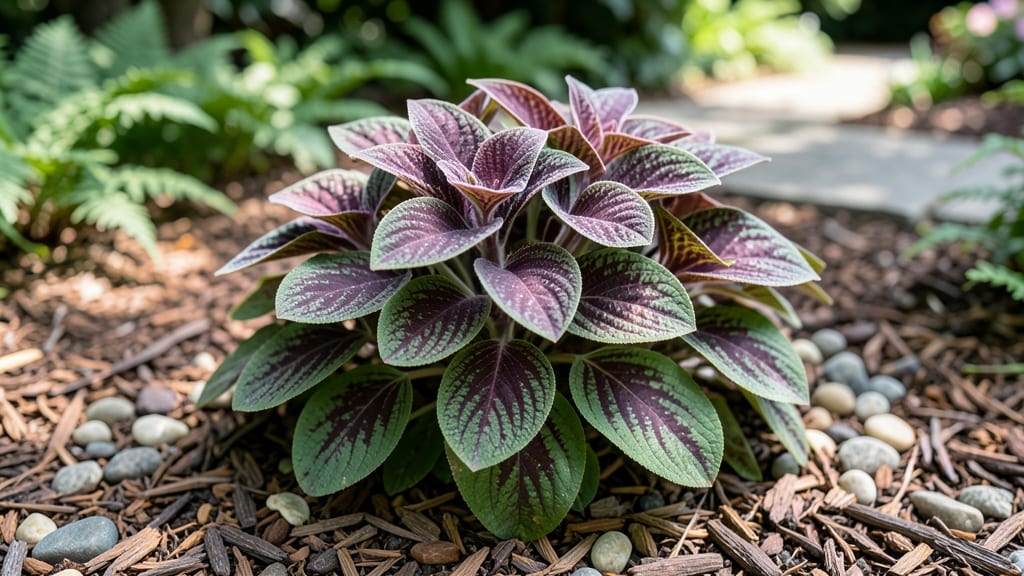
Purple and green leaf shrubs turn your garden into a living painting. 🌿 These striking plants—like Purple Smoke Bush or Cotoneaster—bring bold contrast that catches the eye all year, from spring blooms to winter structure.
I’ve used them to create vibrant privacy screens and eye-catching borders that never go out of season. The secret to their success? Most thrive in full sun to partial shade and well-drained soil.
Pair them with silver foliage plants (like lamb’s ear) or deep greens (such as boxwood) to make the purple pop even more. Their berries in fall add another layer of color, while some varieties even keep their leaves through winter. You’ll love how they transform dull spaces into focal points.
Whether planted in groups for a hedge or solo as a statement plant, their year-round interest means your garden stays dynamic. The best part? Many are low-maintenance once established, so you spend less time fussing and more time enjoying the view.
For small spaces, try Heuchera in containers—its deep purple leaves pair beautifully with trailing ivy or ferns. In larger gardens, mix them with evergreens for structure and perennials for seasonal blooms. The possibilities are endless!
📚 In This Guide
- What you need
- Instructions
- Tips and common mistakes
- Wrapping up and next steps
What you need
- ● Purple-and-green leaf shrub: 1-3 mature plants (depending on desired coverage; 1-2 for small spaces, 3+ for larger hedges). Choose healthy, well-rooted specimens from a nursery.
- ● Well-draining soil: Native soil amended with 2-3 inches of compost or a 50/50 mix of garden soil and peat moss (for acidic-loving varieties like Loropetalum).
- ● Organic mulch: 2-3 inches of pine straw, wood chips, or shredded bark to retain moisture and suppress weeds.
- ● Slow-release fertilizer: 10-10-10 or 8-3-9 blend (apply at planting and again in early spring).
- ● Watering can or hose with a gentle spray nozzle: For deep, infrequent watering (avoid overwatering!).
- ● Pruning shears: Bypass pruners (sharp, 6-8 inch blades) for clean cuts.
- ● Gloves: Heavy-duty gardening gloves to protect hands from thorns (if applicable).
- ● Soil pH test kit: To ensure your soil matches the shrub’s preferences (most prefer slightly acidic to neutral pH).
- ● Transplanting spade: For digging holes with clean edges (especially for larger shrubs).
- ● Plant support stakes: If planting in windy areas (use 3-4 ft bamboo stakes).
- ● Edging tool: To create a neat border for hedges.
- ● Drip irrigation system: For automated watering (great for busy gardeners!).
How to plant and maintain a purple-and-green leaf shrub
Here's my foolproof approach to growing these stunning shrubs—colorful all year and perfect for privacy screens.
🪴 Step 1: Choose the Right Location and Dig the Hole
Select a spot with at least 6 hours of sunlight daily—most purple-and-green shrubs thrive in full sun, though some varieties tolerate partial shade. Clear the area of weeds and rocks, then dig a hole twice as wide as the root ball and just as deep. This gives roots room to spread without bending.
Loosen the sides of the hole with your hands or a trowel—compacted soil slows root growth. If your soil drains poorly, mix in 2-3 inches of compost into the bottom of the hole. You'll know you've done it right when the soil crumbles easily between your fingers.
🌱 Step 2: Plant the Shrub Properly for Strong Growth
Gently remove the shrub from its container, loosening any circling roots with your fingers. Place it in the hole so the top of the root ball sits 1 inch above ground level—this prevents water from pooling around the stem and causing rot. Fill the hole with native soil, pressing lightly to eliminate air pockets.
Water deeply until moisture seeps 6 inches down—you'll notice the soil surface darken slightly as it absorbs water. Avoid compacting the soil too firmly; roots need loose soil to establish quickly. Mulch around the base with 2-3 inches of organic mulch, keeping it 6 inches away from the stem to prevent moisture buildup.
☀️ Step 3: Water and Fertilize for Vibrant Color
Water once a week for the first month, then reduce to every 10-14 days once established, depending on rainfall. Purple-and-green shrubs hate soggy roots, so always check the top 2 inches of soil—water only when it feels dry. Deep watering encourages strong root growth, which keeps the foliage vibrant.
Apply a balanced, slow-release fertilizer in early spring and again in mid-summer. I use a 10-10-10 formula at half-strength to avoid burning the roots. You'll see the rich purple and green hues deepen within weeks—this is your sign the plant is thriving.
✂️ Step 4: Prune for Shape and Health
Prune in late winter or early spring before new growth begins. Remove any dead, diseased, or crossing branches first—cut them back to the nearest healthy bud. Then shape the shrub by trimming 1/3 of the new growth to encourage bushiness. Use clean, sharp pruners to make cuts at a 45-degree angle just above a leaf node.
For privacy screens, maintain a consistent height and width by trimming the top and sides evenly. Avoid heavy pruning in fall—this stimulates tender new growth that won't survive winter. You'll know you're doing it right when the shrub fills out with dense, colorful foliage by midsummer.
🌿 Step 5: Protect and Maintain for Long-Term Beauty
Watch for common pests like spider mites or aphids—these tiny invaders drain the shrub's energy. Spray with a strong stream of water or use an insecticidal soap if you spot them early. Purple-and-green shrubs are generally low-maintenance, but a monthly check keeps problems from spreading.
In colder climates, mulch heavily around the base in fall to insulate roots. Most varieties tolerate down to -10°F, but young plants benefit from extra protection. With proper care, your shrub will deliver year-round color contrast and privacy for decades.
Tips & tricks for growing stunning purple-and-green leaf shrubs
These simple strategies will help you coax vibrant, healthy shrubs that deliver year-round privacy and beauty.
Sunlight Secret: While your shrub thrives in full sun, watch for afternoon shade in summer—those intense rays can scorch delicate foliage. If you notice browning on leaves, move plants slightly or provide afternoon shade with a sheer fabric screen. The goal is 6 hours of direct sun, but quality matters more than quantity during peak heat.
Soil Prep Matters: Before planting, test your soil's drainage by digging a small hole and filling it with water. If it doesn't drain within 30 minutes, amend with 2-3 inches of compost mixed into the bottom of the planting hole. Well-draining soil prevents root rot, which is especially critical during the first month when roots establish. I've seen shrubs fail when planted in compacted clay soil.
Watering Wisdom: The 6 inches of deep watering in Step 2 is crucial—it encourages roots to grow downward rather than stay shallow. Use a garden trowel to check moisture at 6 inches down; if it's dry, water again. Mulching with 2-3 inches of organic mulch helps retain moisture while keeping roots cool, which is particularly important during the first month when weekly watering is critical.
Fertilizer Timing: That 10-10-10 formula at half-strength in spring and summer is perfect, but here's the trick: apply it when you see new growth beginning, not just because it's spring. The shrub absorbs nutrients most efficiently when it's actively growing. I've noticed the rich purple hues develop most intensely after the mid-summer feeding.
Pro Tips for Purple And Green Leaf Shrub
- These simple strategies will help you coax vibrant, healthy shrubs that deliver year-round privacy and beauty.
- Sunlight Secret: While your shrub thrives in full sun, watch for afternoon shade in summer—those intense rays can sco...
- Soil Prep Matters: Before planting, test your soil's drainage by digging a small hole and filling it with water. If i...
Frequently asked questions
What’s the best purple and green leaf shrub for full sun exposure?
Look for Loropetalum chinense (Chinese fringe flower) or Cotinus coggygria (smoke bush). Both thrive in full sun and boast deep purple foliage with hints of green. For extra hardiness, opt for Ilex ‘Sparkleberry’, which handles heat and bright light beautifully.
How long does it take for these shrubs to grow to privacy height?
Most purple and green leaf shrubs grow 12–24 inches per year. To achieve a 6-foot privacy screen, plan for 3–5 years with proper care. Fast-growing options like Buxus ‘Green Velvet’ (with purple-tinted leaves) can reach heights quicker but may need pruning.
Do purple and green leaf shrubs need special watering?
Young shrubs need 1–1.5 inches of water weekly, while established plants are drought-tolerant. Mulch around the base to retain moisture, and avoid soggy soil—root rot is a common issue. Water deeply but infrequently to encourage strong root growth.
Can I mix purple and green leaf shrubs for a layered privacy screen?
Combine Loropetalum (purple) with Boxwood ‘Green Mountain’ (green) for texture and color contrast. For height variation, pair taller Smoke Bush with shorter Dwarf Fothergilla. Just ensure they share similar light and soil needs.
What pests should I watch for with purple and green leaf shrubs?
Common culprits include spider mites, scale insects, and aphids. Inspect leaves regularly for sticky residue or discoloration. Treat mild infestations with neem oil or insecticidal soap. For severe cases, consult a local nursery for targeted solutions.
Are there non-toxic purple and green leaf shrubs for pets?
Yes! Fothergilla and Pieris japonica (Japanese andromeda) are pet-friendly and offer stunning purple-green foliage. Avoid Loropetalum or Boxwood if you have curious cats—some varieties can be toxic if ingested in large quantities.
Wrapping up and next steps
Adding a purple and green leaf shrub to your landscape isn’t just about aesthetics—it’s a game-changer for privacy, texture, and seasonal interest! Whether you’re drawn to the bold contrast of Weigela florida or the lush foliage of Abelia ‘Kaleidoscope,’ these shrubs bring year-round charm while thriving with minimal fuss. 🌿✨
Ready to transform your space? Start by sketching your layout, then pick your favorite variety and gather supplies. Before you know it, you’ll have a vibrant, low-maintenance privacy screen that turns heads—and blocks noise! Plant with confidence, and enjoy the rewards of your green thumb.