
Plants
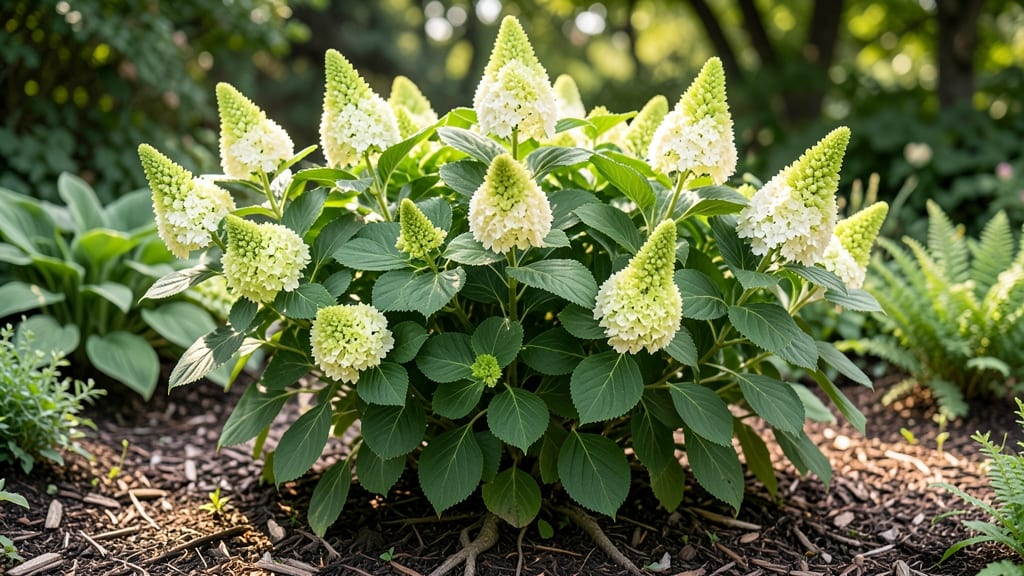
Growing a Limelight Hardy Hydrangea live shrub means adding a vibrant, long-blooming star to your garden that thrives in heat and humidity. 🌿 I fell for its cone-shaped blooms that start lime-green in summer and deepen to rosy-pink by fall—plus, it’s one of the few hydrangeas that actually smells good.
The secret to those showstopping blooms isn’t complicated, but it’s not what most gardeners do either.
This shrub is a workhorse—drought-tolerant once established, hardy down to zone 3, and happy in full sun or partial shade. Most people overwater or prune at the wrong time, which is why their hydrangeas flop.
I’ll show you the exact schedule that keeps mine blooming heavy and healthy every year, even in my hot, southern climate.
By late summer, you’ll have football-sized blooms that last well into frost, plus lush foliage that turns deep burgundy in fall. The best part? It’s low-maintenance once you get the basics right—no deadheading, no fuss. Just sun, soil, and smart pruning.
Whether you’re planting a single specimen or a dramatic hedge, this guide covers everything from site prep to winter care. Let’s get those roots growing!
📚 In This Guide
- What you need
- Instructions
- Tips and common mistakes
- Wrapping up and next steps
What you need
- ● Limelight Hardy Hydrangea Live Shrub: 1-3 mature plants (depending on desired size and spacing)
- ● Well-draining potting soil or garden soil: 1 bag (2-3 cubic feet) for planting or amending existing soil
- ● Organic mulch (e.g., shredded bark or pine straw): 2-3 bags (for moisture retention and weed suppression)
- ● Balanced, slow-release fertilizer (10-10-10 or similar): 1 small bag (for initial planting and seasonal feeding)
- ● Watering can or hose with a gentle spray nozzle: 1 (for consistent moisture without damaging foliage)
- ● Garden gloves and knee pads: 1 pair each (for comfort and protection)
- ● Pruning shears (sterilized): 1 pair (for shaping and deadheading)
- ○ Stakes or plant supports (optional): 2-4 stakes (if your shrub needs structural support)
- ● Soil pH test kit: 1 (to ensure optimal acidity, ideally 5.5-6.2 for hydrangeas)
- ● Aluminum sulfate or hydrangea blooming supplement: 1 bottle (to enhance vibrant blooms)
- ● Drip irrigation system or soaker hose: 1 (for automated, low-stress watering)
- ● Decorative rocks or pebbles: 1 bag (for mulch aesthetics and drainage)
Step-by-step guide to planting and caring for Limelight hardy hydrangeas
Here’s the method I’ve used to grow vibrant, fragrant Limelight hydrangeas that thrive year after year.
🌱 Step 1: Choose the Perfect Planting Spot
Limelight hydrangeas love partial shade, especially in hotter climates. Aim for morning sun and afternoon shade—this prevents leaf scorch while ensuring enough light for those stunning lime-green blooms. If your yard only has full sun, plant near a building or tree that provides filtered light during peak afternoon heat.
Check the soil pH before planting—Limelight hydrangeas prefer slightly acidic to neutral soil (6.0-7.0). If your soil tests higher, amend it with sulfur or peat moss to lower the pH gradually. The roots need well-draining soil, so avoid low spots where water pools. Dig a hole twice as wide as the root ball but only as deep—planting too deep suffocates the roots.
🪴 Step 2: Plant with Care for Long-Term Health
Remove the shrub from its container and gently loosen the roots if they’re circling. Place it in the hole so the top of the root ball sits level with the ground—burying the stem too deep invites rot, while planting too high stresses the plant. Backfill with native soil mixed with 2-3 inches of compost to boost nutrients without overwhelming the roots.
Water deeply right after planting to settle the soil and eliminate air pockets. You’ll know it’s right when the soil surface looks evenly moist but not soggy. Mulch around the base with 2-3 inches of organic mulch, keeping it 6 inches away from the stem to prevent moisture buildup that causes rot. This also suppresses weeds and keeps roots cool in summer.
☀️ Step 3: Water and Feed for Vibrant Blooms
Water once a week during the first growing season, giving 1-1.5 gallons per plant until the soil feels dry 2-3 inches down. Overwatering is the #1 killer—Limelight hydrangeas hate soggy roots. Once established, they’re drought-tolerant but still need consistent moisture for those bold blooms. You’ll see wilting leaves if they’re thirsty, but they bounce back quickly after a deep watering.
Fertilize in early spring with a balanced, slow-release fertilizer (10-10-10). Follow the label for dosage—too much nitrogen makes lush foliage but fewer flowers. I also add a handful of bone meal at planting time for phosphorus, which encourages strong root and bloom development. Avoid fertilizing in fall or winter; the plant needs to rest.
✂️ Step 4: Prune for Shape and Next Year’s Blooms
Prune Limelight hydrangeas in late winter or early spring before new growth starts. These are old wood bloomers, meaning their flowers form on last year’s growth, so never cut back into old wood—you’ll sacrifice next year’s blooms. Instead, trim just the dead or damaged stems and shape by cutting just above a set of buds to encourage fuller growth.
If your hydrangea looks leggy, you can lightly prune back some stems by ⅓ to promote bushier growth. Avoid heavy pruning—it stresses the plant and can reduce flowering. After pruning, give the plant a light feeding with a half-strength fertilizer to help it recover. You’ll notice new growth within 2-3 weeks if everything’s right.
🌿 Step 5: Protect and Maintain Year-Round
In winter, mulch heavily (up to 4 inches) to insulate roots from freeze-thaw cycles. Limelight hydrangeas are hardy down to Zone 3, but young plants benefit from extra protection. If your area gets harsh winds, consider a burlap windbreak to prevent winter damage to stems.
Watch for powdery mildew—a common issue with hydrangeas in humid climates. If you see white powder on leaves, prune affected areas immediately and apply a fungicide (or a mix of 1 tbsp baking soda + 1 quart water + a drop of dish soap). Spacing plants 3-4 feet apart improves airflow and prevents this problem. With proper care, your Limelight hydrangea will reward you with fragrant blooms from midsummer to fall—and maybe even a few late-season flowers if you’re lucky!
Tips & tricks for perfect Limelight hardy hydrangea planting
These essential insights will help you avoid common pitfalls and maximize your Limelight hydrangea's potential for years to come.
Soil pH Precision: While the instructions mention a preferred range of 6.0-7.0, I've found that testing your soil before planting is absolutely critical. Many gardeners overlook this, but Limelight hydrangeas are particularly sensitive to pH levels. If your soil tests above 7.0, you'll need to amend it with sulfur or peat moss gradually over several months. The goal is to reach that sweet spot where your plant can access all the nutrients it needs without stress. I recommend testing again after 6 weeks to ensure you've achieved the proper balance.
Root Ball Handling: When removing your hydrangea from its container, take extra care with those circling roots. I've seen many gardeners accidentally tear the roots during this process, which can set back your plant's establishment by weeks. Gently tease apart any tightly bound roots with your fingers—there's no need for tools. The key is to create a natural, open root structure that can spread and establish quickly in its new home. This careful handling pays off in the long run with stronger, more resilient plants.
Watering Strategy: The once-weekly watering recommendation is perfect for established plants, but new transplants need special attention. During the first two weeks after planting, I recommend watering every other day with about 1 gallon per plant. This helps settle the soil around the roots and prevents transplant shock. You'll know you're doing it right when the soil surface remains evenly moist but not waterlogged. After those initial two weeks, you can gradually taper back to the weekly schedule while keeping an eye on soil moisture levels.
Pruning Timing: The late winter/early spring pruning window is crucial for Limelight hydrangeas, but I've learned this the hard way—pruning at the wrong time can mean sacrificing next year's blooms. Mark your calendar for February or early March, just as new growth begins to show. These old wood bloomers form their flower buds on the previous year's stems, so any pruning cuts made after the buds have formed will remove next season's potential blooms. A sharp pair of pruners and a clear day make all the difference in getting this step right.
Pro Tips for Limelight Hardy Hydrangea Live Shrub
- These essential insights will help you avoid common pitfalls and maximize your Limelight hydrangea's potential for ye...
- Soil pH Precision: While the instructions mention a preferred range of 6.0-7.0, I've found that testing your soil bef...
- Root Ball Handling: When removing your hydrangea from its container, take extra care with those circling roots. I've ...
Frequently asked questions
How do I keep my Limelight Hydrangea blooming all season?
For continuous blooms, prune your Limelight in late winter or early spring (before new growth starts). Cut back 1/3 of the oldest stems to encourage fresh, vibrant flowers. Avoid heavy pruning after mid-summer—this shrub blooms on both old and new wood, so timing is key!
Why aren’t my Limelight Hydrangea flowers as bright as they should be?
Dull or faded blooms often signal pH imbalance or nutrient deficiency. Test your soil—these hydrangeas thrive in acidic soil (pH 5.5–6.2). Amend with sulfur or peat moss if needed. Also, ensure consistent moisture (but avoid soggy roots) and feed with a balanced, acid-loving fertilizer in spring.
Can Limelight Hydrangeas survive harsh winters?
This hardy variety (USDA Zones 3–8) is built for cold. Mulch the base with 3–4 inches of shredded bark or leaves in late fall to protect roots. In Zone 3 or extreme winters, wrap young shrubs in burlap or use frost blankets for extra insulation.
What’s the best alternative if I can’t grow Limelight Hydrangeas?
If your climate or soil isn’t ideal, try these low-maintenance, bold-colored shrubs:
- Endless Summer Hydrangea – Blooms on new and old wood, similar care.
- Oakleaf Hydrangea – Stunning fall foliage, thrives in partial shade.
- Panicle Hydrangea (e.g., ‘Little Lime’) – Lime-green blooms, heat-tolerant.
- Abelia or Weigela – Fragrant, drought-resistant, and perennial.
How do I prevent pests like aphids or slugs from damaging my hydrangea?
Start with prevention:
- Inspect leaves regularly—remove pests by hand or spray with soapy water (1 tsp mild soap + 1 quart water).
- Encourage natural predators like ladybugs by planting marigolds or dill nearby.
- Slug/snail bait (iron phosphate or diatomaceous earth) works safely around pets/kids.
- Avoid overwatering—slugs love damp soil!
Wrapping up and next steps
The Limelight Hardy Hydrangea is a standout choice for gardeners seeking year-round beauty, resilience, and low-maintenance elegance. With its vibrant lime-green blooms, fragrant foliage, and adaptability to various climates, this shrub transforms any space into a lush, fragrant oasis with minimal effort.
Whether you're a seasoned gardener or a beginner, its hardy nature makes it the perfect addition to your outdoor haven.
Ready to bring home your own Limelight Hardy Hydrangea? 🌿 Start by checking local nurseries or trusted online plant retailers for live shrubs, and prepare your garden for its arrival—your future blooms will thank you!