
Shrubs
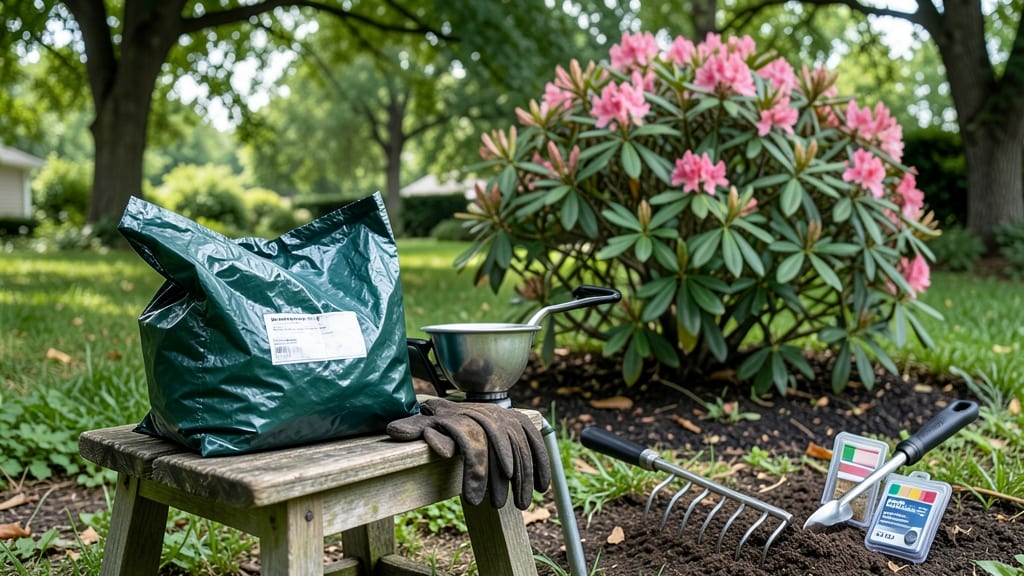
For acid-loving shrubs, the best fertilizer combines iron, sulfur, and organic materials like peat moss or pine bark to keep soil pH between 4.5 and 6.0, while slow-release options such as cottonseed meal or azalea-specific formulas boost flowers without harming roots.
Acid-loving shrubs like azaleas and hydrangeas thrive when their soil stays in the 4.5–6.0 pH range, which is why iron and sulfur are non-negotiable in their fertilizer. 🌿 These nutrients help unlock essential minerals like manganese and phosphorus, which fuel vibrant blooms and strong root systems.
I’ve seen firsthand how a simple soil test can reveal hidden pH issues—yellowing leaves or sparse flowers often signal soil that’s either too alkaline or lacks organic matter. The key is balancing acidity with slow-release fertilizers, which prevent nutrient spikes that can scorch delicate roots.
Organic options like composted leaves or cottonseed meal break down gradually, while synthetic blends (such as Miracle-Gro Azalea) offer precise nutrient ratios. Timing matters too: feed in early spring to kickstart growth and again in late summer to support fall blooms.
Over-fertilizing in summer can stress plants, so always follow package rates—especially for container-grown shrubs, which dry out faster.
💡 In This Article
- How pH Balance Affects Acid-Loving Shrub Growth
- Top Organic and Synthetic Fertilizers for Azaleas, Rhododendrons, and Hydrangeas
How pH balance affects acid-loving shrub growth
Soil pH isn't just a number—it's the gatekeeper for nutrient availability in your garden. Acid-loving shrubs like azaleas and rhododendrons thrive in the 4.5–6.0 range because this acidity unlocks critical minerals like manganese and aluminum, which become locked away in alkaline soils.
At pH 7.0 or higher, these plants can't access enough phosphorus either, even if it's present in the soil. Think of it like a key turning in a lock: the right pH "unlocks" nutrients that feed your shrubs' roots.
The science gets even more fascinating when you consider how aluminum behaves.
In acidic soils, aluminum exists in a soluble form that plants can absorb—but when pH rises above 5.5, aluminum precipitates out as insoluble compounds, effectively starving roots. 🌱 This is why you'll often see yellowing leaves or stunted growth when soil becomes too alkaline.
The opposite problem, however, is just as damaging: pH below 4.0 can make aluminum too available, causing toxicity that manifests as brown leaf tips or poor flowering.
Here's where organic matter plays its part: peat moss and pine bark not only acidify the soil but also improve its structure, helping roots access water and oxygen. These materials release protons slowly over time, maintaining that critical 4.5–6.0 range without sudden pH swings that could shock your plants.
The texture of well-amended soil becomes almost spongy—holding moisture while still allowing drainage, which is especially important for container-grown shrubs that dry out faster.
What most gardeners don't realize is how quickly pH can shift. Rainwater, especially in urban areas with limestone bedrock, can raise soil pH over time. Even "natural" amendments like wood ash or crushed eggshells (often used for alkaline-loving plants) can push pH into dangerous territory for acid lovers.
A simple soil test kit (costing around $10) can reveal these hidden issues before they cause permanent damage.
Watch for these telltale signs of pH imbalance: yellowing between leaf veins (often the first symptom of manganese deficiency), purple stems (a phosphorus deficiency signal), or leaves that drop prematurely.
These aren't just cosmetic problems—they indicate your shrubs are struggling to access the nutrients they need to grow and flower. The good news? Correcting pH issues is often as simple as adding the right organic amendments and testing again in 3 months to monitor progress.
For container gardeners, pH management becomes even more critical because you're working with limited soil volume. I've found that repotting every 2-3 years with fresh acid-loving mix (typically 50% peat moss, 30% pine bark, and 20% perlite) prevents pH drift while improving aeration.
The key is consistency—these shrubs reward patience with lush foliage and abundant blooms when their soil chemistry stays balanced.