
Pruning
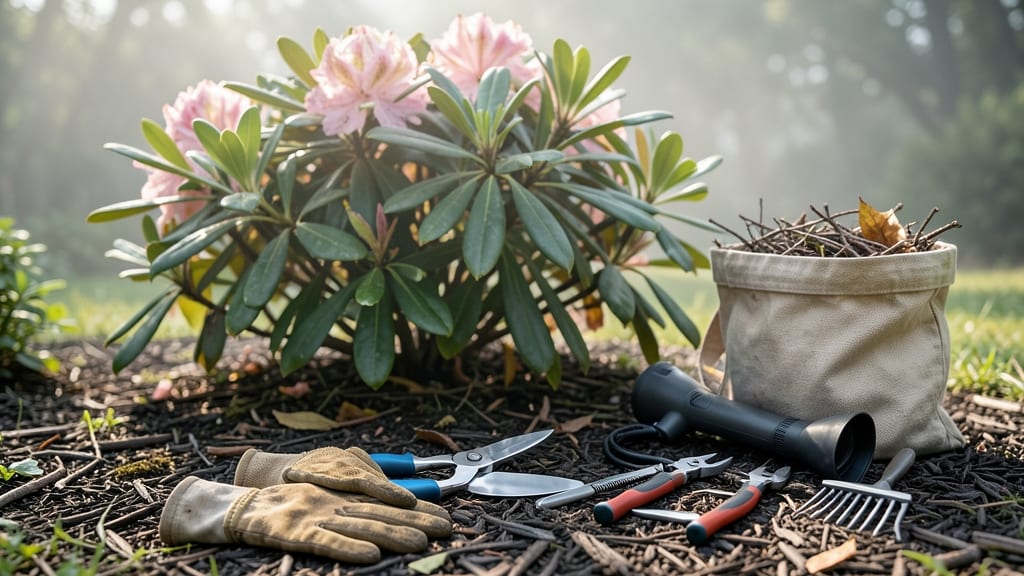
How to trim rhododendron shrubs transforms your ragged bushes into regal, blooming beauties with just a few strategic cuts. ✂️ The key is timing—prune after blooms fade but before new growth starts, and you’ll encourage stronger stems and next year’s flowers. I’ve learned the hard way that cutting too early kills next season’s buds, while waiting too long risks leggy, overgrown branches.
You’ll need sharp pruning shears, a pair of gloves, and a clean bucket for clippings. The process itself is straightforward: remove dead wood first, then shape by cutting just above a bud or leaf joint.
Avoid the temptation to over-prune—rhododendrons are tough but not indestructible, and heavy cuts stress the plant. For mature shrubs, never remove more than one-third of the foliage at once.
What you’ll end up with is a fuller, more compact shrub that blooms more prolifically. The new growth emerges 4-6 weeks after pruning, and the plant directs energy into flower buds rather than sparse branches.
Even neglected shrubs respond dramatically when pruned correctly—my 10-year-old rhododendron went from sparse to lush in one season.
This technique works for all rhododendron varieties, whether you’re dealing with a 6-foot-tall giant or a compact 3-foot dwarf. The same principles apply to azaleas, their close relatives. Just remember: patience and precision pay off in blooms.
📚 In This Guide
- What you need
- Instructions
- Tips and common mistakes
- Wrapping up and next steps
What you need
- ● Bypass pruning shears: Sharp, clean bypass shears (4-6 inches) for trimming small to medium stems. Must be sterilized with rubbing alcohol to prevent disease spread.
- ● Loppers: Bypass loppers (8-12 inches) for thicker branches (½ inch or larger). Look for ratchet-style for extra leverage.
- ● Hand pruners (felco or similar): Anvil-style (for tougher cuts) or bypass (for precision). Size: 6-8 inches.
- ● Garden gloves: Heavy-duty, cut-resistant (e.g., mechanix or workhorse) to protect hands from thorns and sap.
- ● Disinfectant (rubbing alcohol or 10% bleach solution): 1 part bleach to 9 parts water for cleaning tools between cuts.
- ○ Pruning saw (optional but helpful): Curved-tooth saw for branches thicker than 2 inches.
- ● Ladder or step stool: Sturdy, non-slip (4-6 ft tall) for reaching higher branches safely.
- ● Trash bags or bucket: For collecting pruned branches and debris.
- ● Sharpie or permanent marker: To label branches if you’re doing selective pruning.
- ● Pruning sealant: Wound dressing (e.g., Tanglefoot Tree Wound Pruning Seal) for large cuts to prevent disease.
- ● Extension pole pruners: For high branches without a ladder (10-12 ft reach).
- ● Knee pads: If you’ll be kneeling or crouching for extended periods.
- ● Safety glasses: To protect eyes from debris.
- ● Garden hose with spray nozzle: For rinsing tools and cleaning sap off hands.
Step-by-step guide to trimming rhododendron shrubs
Late winter’s the perfect time to shape these evergreens—here’s how to do it right.
🌿 Step 1: Assess the Shrub’s Structure and Identify Dead Growth
Start by examining your rhododendron from all sides. Look for branches that are brown, brittle, or completely devoid of leaves—these are dead and should be removed first. Healthy branches will have green bark and some leaf buds along their length. I always run my fingers along the stems to feel for any soft, mushy spots, which signal internal decay.
Next, identify any crossing or rubbing branches. These create wounds where pests and diseases can enter. If you see two branches growing toward each other, one will need to go. Take your time here—rushing leads to uneven cuts that leave ragged edges. Mark these branches with a small piece of twine or a flagging tape if you’re unsure which to remove.
✂️ Step 2: Prune Dead and Crossing Branches First
Use sharp, clean pruning shears to make your first cuts. For dead branches, cut back to the main stem or to a healthy lateral branch. Always cut just outside the branch collar—the swollen area where the branch meets the stem. This ensures the wound heals properly and reduces the risk of infection. I like to angle my cuts slightly downward to help water run off and prevent rot.
For crossing branches, remove the smaller or weaker of the two. If they’re similar in size, choose the one growing upward to improve airflow and light penetration. Never leave stubs—cut flush to the branch collar. After each cut, wipe your shears with rubbing alcohol to prevent spreading any potential pathogens between branches.
☀️ Step 3: Thin Out Interior Branches for Better Airflow
Rhododendrons thrive when they receive good airflow and light throughout their structure. Focus on thinning out the dense interior growth, especially near the center of the shrub. Remove branches that are growing inward or downward, as these block light and air from reaching the inner foliage. You’re aiming for an open, vase-like shape that allows sunlight to penetrate to the lower branches.
When thinning, never remove more than one-third of the plant’s total growth in a single season. This prevents shock and maintains the shrub’s ability to bloom. I usually work in sections, stepping back every few minutes to assess balance. If the shrub starts to look lopsided, adjust your cuts to restore symmetry. Avoid heavy pruning on young plants—focus on shaping as they mature.
⏰ Step 4: Shape the Outer Growth for a Natural Look
Once you’ve removed dead, crossing, and interior branches, move to the outer edges. Here, you’ll shape the shrub to encourage a full, rounded form. Cut back the tips of branches that are growing too long or leggy, but avoid cutting into old wood—rhododendrons bloom on last year’s growth, so never prune back into the previous season’s flower buds.
For a more refined look, step back frequently and visualize the shrub’s natural shape. Use your shears to gently round out any sharp edges or uneven growth. I often make small, incremental cuts rather than drastic reductions—this keeps the plant looking full and encourages dense new growth. Avoid pruning in late summer or fall, as this can stimulate tender new growth that may not survive winter.
Tips & tricks for perfect rhododendron trimming
Late-winter pruning transforms your rhododendrons—here’s how to avoid common pitfalls and elevate your results.
Tool Prep is Everything: Before you begin, sharpen your pruning shears with a honing stone—dull blades tear rather than cut cleanly, leaving jagged wounds that heal poorly. I also recommend sterilizing your tools with rubbing alcohol between cuts, especially when working on multiple branches. This simple step prevents cross-contamination of potential pathogens like botrytis blight, which can devastate your shrub's health.
Seasonal Timing Secret: Late winter (just before buds swell) is critical because rhododendrons bloom on old wood—cutting too late risks removing next year's flower buds. If you miss this window, wait until after blooming, but avoid pruning in late summer or fall, as new growth won't harden off before winter. Mark your calendar for early March in most climates, or adjust for your specific hardiness zone.
Visual Cue for Healthy Cuts: When cutting back to the branch collar in Step 2, look for the slight swelling where the branch meets the stem—this is your target. The collar should be slightly raised and often has a different texture than the branch itself. If you cut too close, you remove the protective tissue that helps the wound heal. For stubborn branches, I find using a small pruning saw for thicker stems (over ½ inch) prevents tearing the bark.
Post-Pruning Care: After finishing, give your rhododendron a deep watering to help it recover from the stress of pruning. I also recommend applying a 2-3 inch layer of organic mulch around the base (but not touching the trunk) to retain moisture and regulate soil temperature. This is especially important if you've removed more than one-third of the foliage—your shrub will need extra support during the growing season.
Pro Tips for Trim Rhododendron Shrubs
- Late-winter pruning transforms your rhododendrons—here’s how to avoid common pitfalls and elevate your results.
- Tool Prep is Everything: Before you begin, sharpen your pruning shears with a honing stone—dull blades tear rather than cut cleanly, leaving jagged wounds that heal poorly.
- Seasonal Timing Secret: Late winter (just before buds swell) is critical because rhododendrons bloom on old wood—cutting too late risks removing next year's flower buds.
Frequently asked questions
Got questions about trimming your rhododendrons? You’re not alone! Here are some of the most common queries—and their answers—to help you prune with confidence.
When is the absolute best time to trim rhododendrons?
Late winter (just after flowering or before buds swell) is ideal—typically between February and early March in most climates. Avoid pruning in fall or early spring, as this can damage tender new growth. Pro tip: If your rhododendron blooms early, wait until after the flowers fade to trim.
Can I trim rhododendrons in summer? What about fall?
Summer or fall pruning is not recommended because it stresses the plant and can lead to dieback or poor flowering next year. If you must prune outside the late-winter window, do so lightly in early summer to shape, but avoid heavy cuts. Fall pruning can expose stems to winter cold, harming the plant.
Will trimming rhododendrons reduce next year’s flowers?
Not if done correctly! Pruning after blooming encourages stronger growth and more flowers next season. However, avoid cutting back into old wood (woody stems >3 years old), as this won’t produce new blooms. Focus on shaping and removing dead wood to keep the plant healthy and vibrant.
What if my rhododendron looks sad after trimming?
Don’t panic! A "sad" appearance is normal right after pruning—give it time to recover. Water deeply, avoid fertilizing for 4–6 weeks, and keep an eye out for pests or disease. If leaves yellow or stems wilt, it may need more sunlight or better drainage. Pro tip: Mulch around the base to retain moisture and protect roots.
Can I shape rhododendrons into a hedge? How often?
Yes! Rhododendrons make stunning hedges with regular trimming. For a formal hedge, prune twice a year: lightly after flowering (late winter) and again in early summer to maintain shape. Use hedge shears for clean lines, and avoid over-trimming—leave at least half the foliage to ensure photosynthesis.
Wrapping up and next steps
Trimming your rhododendron shrubs in late winter isn’t just about shaping—it’s a game-changer for vibrant blooms and robust growth! By following these steps—using the right tools, timing your cuts, and avoiding common mistakes—you’ll set your shrubs up for a stunning spring display. 🌸
Now that you’re armed with the know-how, grab those shears and get pruning! For extra tips, check out our guide on seasonal rhododendron care to keep your garden thriving year-round. Happy gardening! ✂️🌿