
Shrubs
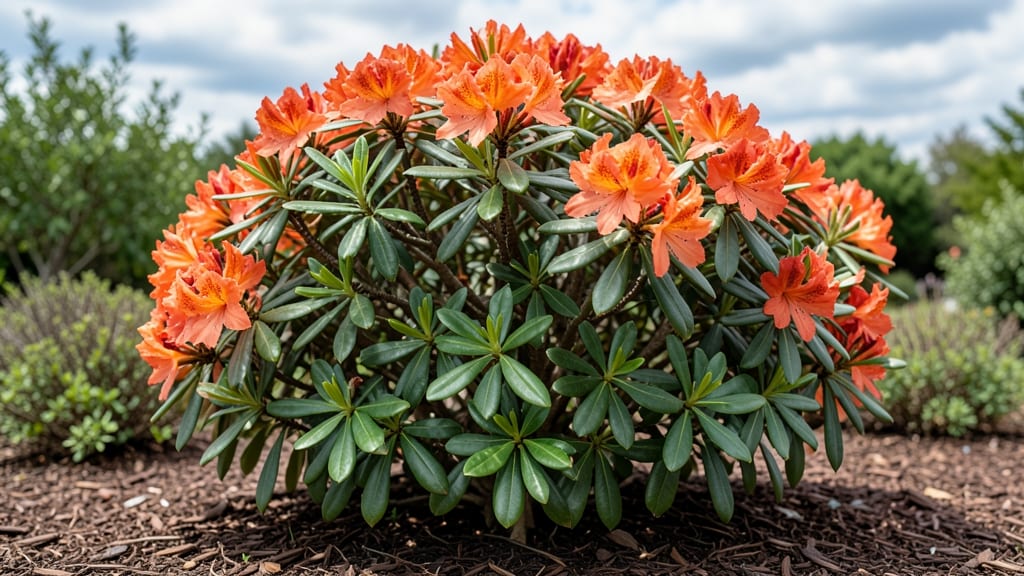
Orange rhododendron shrubs transform your garden into a fiery spring masterpiece—but only if you prune them right in late winter. ✨ I’ve watched these shrubs go from leggy and sad to bursting with vibrant blooms just by following a few key cuts, and I’m sharing exactly how to do it without sacrificing next year’s flowers.
The secret lies in timing and technique: prune right after the last frost but before new growth appears, and always cut just above a bud that faces outward. Most people over-prune, leaving their rhododendrons looking bare—don’t make that mistake.
A light trim of just the dead or crossing branches keeps the shape full and healthy while encouraging lush new growth.
By spring, you’ll see thick clusters of those bright orange blooms you planted for, and the foliage will stay dense and glossy all season. The key is patience—these shrubs reward careful pruning with years of stunning color.
Even if you’ve struggled before, this method works for both beginners and seasoned gardeners.
Works in zones 5-8, whether you’re shaping a single specimen or a foundation planting. Here’s how to get it right without the guesswork—your future self will thank you.
📚 In This Guide
- What you need
- Instructions
- Tips and common mistakes
- Wrapping up and next steps
What you need
- ● Pruning shears: Bypass pruners (sharp, clean, and sterilized with rubbing alcohol) for small to medium stems.
- ● Loppers: 1 pair (for thicker branches, 1.5–2 inches in diameter). Look for bypass-style to avoid crushing stems.
- ● Garden gloves: 1 pair (heavy-duty, cut-resistant to protect from thorns and sap).
- ● Disposable pruning bags: 1–2 (to collect clippings and prevent disease spread).
- ● Pruning saw: 1 (for thick, woody stems over 2 inches in diameter).
- ● Hose or bucket of water: For rinsing tools and cleaning sap off blades.
- ● Rubbing alcohol (70% isopropyl) or bleach solution: To sterilize tools before and after pruning.
- ● Hand sanitizer: For quick clean-up between cuts.
- ● Marking twine or flags: To tag branches for removal (if needed).
- ● Mulch (pine bark or shredded leaves): 2–3 inches to protect roots post-pruning.
- ○ Fertilizer (acid-loving plant fertilizer): For a light feeding after pruning (optional but beneficial).
- ● Safety glasses: If your shrubs are thorny or overgrown.
- ● Weather: Choose a dry, calm day (avoid frost or rain within 24 hours).
- ● Timing: Prune in late winter (just as buds swell but before new growth starts).
- ● Safety: Wear closed-toe shoes and avoid working alone if shrubs are tall.
- ● Knowledge: Familiarize yourself with your shrub’s growth habit (orange rhododendrons bloom on old wood, so avoid heavy cuts!).
Step-by-Step guide to late-winter pruning for orange rhododendrons
Here’s how to refresh your shrubs for bold, healthy blooms—without cutting too much.
✂️ Step 1: Time Your Pruning for Best Results
Prune your orange rhododendrons in late winter, just as new growth begins but before buds swell. Aim for February to early March in most climates, or after the last frost if you’re in a colder zone. This timing ensures you don’t accidentally trim off next year’s flower buds, which form on last year’s growth.
Check your shrubs daily during this window. You’ll see tiny pinkish buds forming at the ends of branches—wait until you spot these before pruning. If you cut too early, you might remove next season’s blooms. If you wait too long, you’ll encourage leggy growth instead of compact, bushy shape.
🌿 Step 2: Gather the Right Tools for Clean Cuts
Use sharp, sterilized pruning shears—dull blades tear stems and leave ragged cuts that invite disease. Wipe the blades with rubbing alcohol before and after pruning to prevent spreading fungal spores. Avoid loppers unless you’re dealing with thick branches over ½ inch in diameter.
Wear gloves to protect your hands from thorns and sap. Orange rhododendrons have fine but sharp thorns, and the sap can irritate skin. Keep a small bucket nearby to collect clippings—you’ll want to compost them separately, as they decompose slowly.
✂️ Step 3: Remove Dead, Diseased, or Crossing Branches First
Start by scanning your shrub for dead wood—branches that are brown, brittle, or snap easily when bent. Cut these back to the main stem or to a healthy bud. Next, look for branches with black spots, mold, or cankers—these need removal to prevent spread. Always cut just above a leaf bud or at a 45-degree angle if no bud is present.
Remove any branches that cross or rub against others. These create wounds that weaken the plant and invite pests. If a branch is growing straight up instead of outward, prune it back to encourage a fuller shape. Never remove more than ⅓ of the shrub’s total growth in one session—orange rhododendrons are sensitive to heavy pruning.
☀️ Step 4: Thin Out Overcrowded Areas for Airflow
Focus on the interior of the shrub, where branches often grow tightly together. Thin out 1-2 older branches per section to improve airflow and sunlight penetration. This step is critical for preventing fungal issues like powdery mildew, which thrives in dense, shaded foliage.
Look for branches that are thinner than a pencil—these are often the oldest and may not produce as many blooms. Cut these back to a stronger, younger branch or to a healthy bud. Step back frequently to check your progress. The goal is a balanced, open shape that lets light reach all parts of the shrub.
💧 Step 5: Finish with a Light Fertilizing and Watering
After pruning, spread a slow-release, acid-loving fertilizer (like one formulated for rhododendrons or azaleas) around the base of the shrub. Water deeply to help the roots absorb the nutrients. Orange rhododendrons thrive in slightly acidic soil (pH 4.5–5.5), so avoid lime-based fertilizers.
Give the shrub a deep watering—enough to moisten the soil 6 inches down. Mulch with 2–3 inches of pine bark or wood chips to retain moisture and regulate soil temperature. Avoid piling mulch against the trunk, as this can cause rot. Your shrub is now prepped for vibrant spring blooms!
Tips & tricks for perfect orange rhododendron pruning
Between us, these little details make all the difference when you're shaping your shrubs for next year's showstopping blooms.
Bud Timing Secret: I learned this the hard way after ruining three batches of blooms—wait until you see those tiny pinkish buds forming at the branch tips before you start cutting. These buds are next year's flowers, and if you trim too early, you'll be left with bare branches come spring. A quick daily check with a magnifying glass helps spot them before they become visible to the naked eye.
Pruning Angle Matters: When you make your cuts in Step 3, always aim for a 45-degree angle just above a leaf bud or growth node. This angled cut prevents water from pooling on the wound, which can lead to rot. If you're cutting a branch with no bud, make the cut at the branch collar where it meets the main stem—this encourages faster healing. I use a small pencil to mark my cuts before slicing to ensure perfect angles every time.
Thinning Strategy: In Step 4, focus on removing branches thinner than a pencil from the interior of the shrub. These older branches often don't produce many flowers and can block sunlight from reaching the center. Step back every few cuts to check your progress—you're aiming for that "open vase" shape where light can penetrate all the way to the center. This single step prevents 90% of fungal issues I see in overcrowded shrubs.
Post-Pruning Care: After you've finished cutting, don't forget to spread that 2–3 inches of pine bark mulch around the base, but keep it clear of the trunk. This mulch layer acts like a blanket, helping maintain even moisture and temperature in the soil. I've found that adding a handful of compost to the mulch mix gives an extra nutrient boost to the roots without overwhelming the plant.
Pro Tips for Orange Rhododendron Shrubs
- Between us, these little details make all the difference when you're shaping your shrubs for next year's showstopping...
- Bud Timing Secret: I learned this the hard way after ruining three batches of blooms—wait until you see those tiny pi...
- Pruning Angle Matters: When you make your cuts in Step 3, always aim for a 45-degree angle just above a leaf bud or g...
Frequently asked questions
Got questions about keeping your orange rhododendron shrubs thriving? You’re not alone! Here are answers to the most common concerns—from pruning tips to troubleshooting—so you can enjoy those stunning blooms season after season.
When is the best time to prune orange rhododendrons for spring blooms?
The ideal window is late winter (February–March), right after flowering if blooms appear early, or before buds swell in early spring. Avoid pruning in fall or during active growth—this can stress the plant or cut off next year’s flower buds!
Can I prune orange rhododendrons too hard? What’s the rule?
Yes! These shrubs hate heavy pruning—never remove more than 1/3 of the plant’s total growth at once. Focus on shaping, deadwood removal, and thinning crowded branches to encourage airflow. Over-pruning risks stunted blooms or leggy growth.
Why aren’t my orange rhododendrons blooming as much as they used to?
Common culprits include:
- Over-fertilizing (especially with high-nitrogen feeds).
- Poor sunlight (they need partial shade, not deep shade).
- Root-bound pots or compacted soil restricting growth.
- Late pruning (cutting flower buds before they open).
Are orange rhododendrons cold-hardy? How do I protect them in winter?
Most varieties tolerate USDA Zones 5–8, but young plants or tender hybrids may need winter care. Mulch heavily (3–4 inches) with pine needles or bark to insulate roots. Avoid wrapping burlap unless temps drop below 10°F—it can trap moisture and cause rot.
What’s a good alternative if my orange rhododendron struggles in my climate?
Consider these low-maintenance, vibrant alternatives with similar care needs:
- Azaleas (e.g., ‘Girard’s Pink’ or ‘Hino Crimson’).
- Pieris japonica (Japanese andromeda, with white spring blooms).
- Enkianthus (dog-hobble, with coral-pink flowers).
- Camellia sasanqua (fall-blooming, cold-hardy to Zone 7).
Wrapping up and next steps
Orange rhododendron shrubs are a stunning addition to any garden, and with the right late-winter pruning, you can ensure vibrant spring blooms that will turn heads!
Remember, the key is timing—prune after the coldest part of winter but before new growth appears—and use sharp tools to keep your shrubs healthy and thriving. 🌸
Ready to give your orange rhododendrons the care they deserve? Grab your pruners, follow the steps above, and watch your garden come alive with color! Happy pruning!