
Shrubs
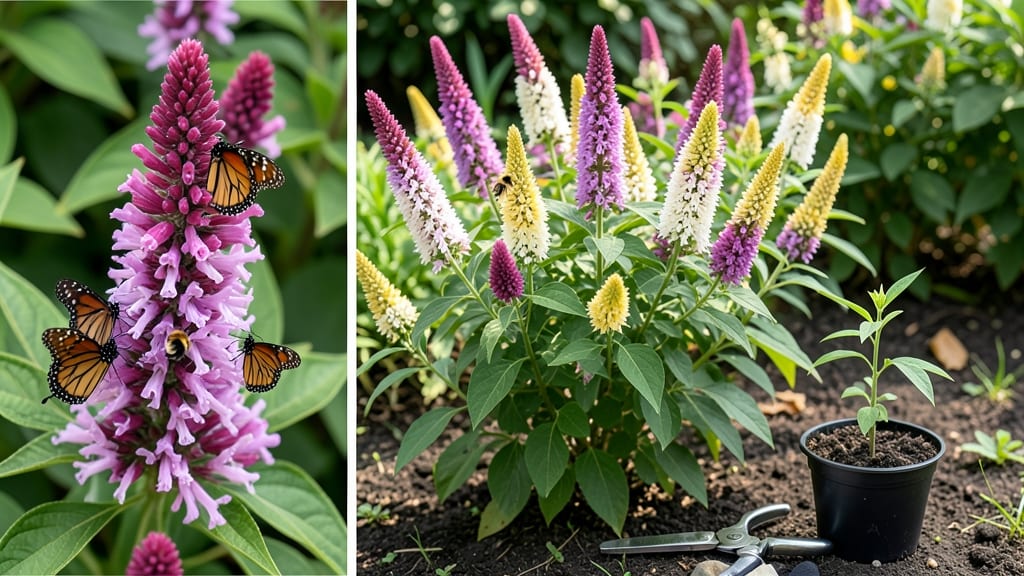
Fastest growing flowering shrubs deliver stunning blooms quickly, with butterfly bush (Buddleia) leading at 3-5 feet per year, followed by lilac (Syringa) at 2-3 feet annually, and crape myrtle (Lagerstroemia) at 2-4 feet. These powerhouses thrive in full sun and well-drained soil, often flowering within their first growing season.
What makes these shrubs grow so fast? Their aggressive root systems and ability to handle heat and drought play a huge role. 🌿 Butterfly bush, for example, can spread aggressively if not contained, while lilacs establish deep roots that help them withstand harsh winters.
Crape myrtle's rapid growth comes from its adaptability to different soil types, making it a favorite for both urban and rural landscapes. The key to maximizing their speed is proper planting—ensure they get plenty of sunlight and consistent watering during their first year.
Beyond the top three, abelia and weigela also deserve mention for their 2-3 feet annual growth. These shrubs offer continuous blooms throughout the growing season, making them excellent choices if you want both speed and year-round color.
Just remember that faster growth often means more frequent pruning to maintain shape and encourage even more flowers.
💡 In This Article
- Growth Factors for Rapid Flowering Shrub Development
- Top 5 Fastest Flowering Shrubs by Growth Rate and Care Needs
Growth factors for rapid flowering shrub development
The explosive growth of flowering shrubs like butterfly bush, lilac, and crape myrtle stems from their deep, fibrous root systems that spread aggressively. Butterfly bush (Buddleia) develops a network of shallow roots that can extend 3-5 feet per year, allowing it to quickly establish dominance in its planting zone.
This rapid root expansion creates a competitive advantage by accessing water and nutrients before surrounding plants. 🌱 The roots also produce growth hormones that stimulate above-ground development, resulting in those towering stems.
Sunlight exposure is another critical factor—these shrubs thrive in full sun (6-8 hours daily), which triggers photosynthesis at maximum efficiency. Crape myrtle, for example, converts sunlight to energy so effectively that it can produce 2-4 feet of new growth annually while maintaining vibrant blooms.
The leaves contain high concentrations of chlorophyll that work in tandem with the plant's natural growth regulators to accelerate stem elongation. Meanwhile, lilacs (Syringa) develop deep taproots that anchor them securely while also accessing groundwater reserves during dry periods.
Watering frequency plays a surprising role in their speed. While established shrubs are drought-tolerant, young plants need deep watering 2-3 times per week during their first growing season to support rapid cell division. The key is moist but well-drained soil—waterlogged conditions can stunt root development.
Pruning techniques also influence growth patterns: butterfly bush benefits from late-winter pruning to remove dead wood, while crape myrtle responds well to summer trimming to encourage bushier growth and more flower clusters.
Soil quality creates the foundation for this rapid development. Butterfly bush and crape myrtle adapt well to slightly acidic to neutral pH (6.0-7.5), while lilacs prefer alkaline soils (7.0-8.0). The ideal planting medium contains 50% native soil and 50% compost to provide both structure and nutrients.
These shrubs also benefit from mycorrhizal fungi in the soil, which form symbiotic relationships with their roots, enhancing nutrient uptake by up to 30%—this biological boost translates directly to faster above-ground growth.
Temperature tolerance explains why these shrubs dominate in many climates. Butterfly bush thrives in USDA zones 5-9, while crape myrtle extends to zones 5-10. Their ability to handle both summer heat and winter chills (down to -15°F for butterfly bush) means they can grow aggressively across diverse regions.
The plant's natural stress responses—like producing protective waxes on leaves during drought—allow it to redirect energy toward stem elongation rather than survival mechanisms.
What most gardeners don't realize is how these shrubs time their growth cycles. Butterfly bush, for instance, initiates rapid stem elongation in early spring when soil temperatures reach 55°F, then enters a flowering phase by mid-summer.
This precise timing means you can expect 3-5 feet of vertical growth before the first frost in many regions. The secret lies in their ability to balance vegetative growth with reproductive cycles—producing both new stems and flower buds simultaneously. 🌸