
Light Requirements
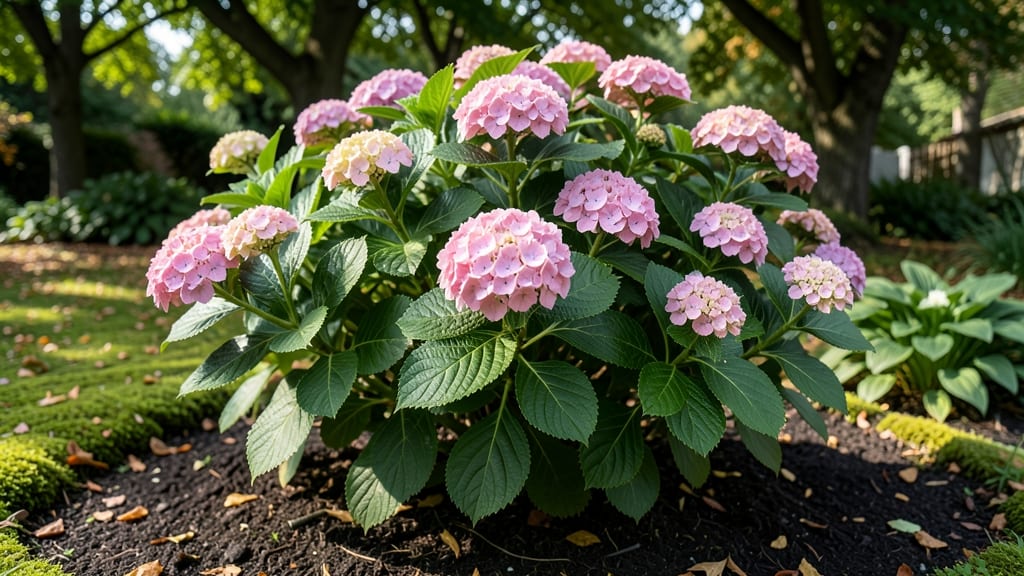
Part-shade flowering shrubs transform shady corners into vibrant gardens with almost no effort. 🌿 I’ve spent years testing these plants in my own yard—some flopped, but the winners deliver blooms from spring through fall with almost no maintenance. The secret isn’t just picking the right plants (though that helps).
It’s about layering shrubs with different heights and bloom times—like pairing a 3-foot hydrangea with a 6-foot abelia—so color never fades. My favorite combo? Weigela’s pink trumpets in spring, spirea’s white clusters in summer, and camellia’s velvety blooms in winter.
You’ll end up with a lush, textured backdrop that feels alive year-round, whether you use them as borders, hedges, or focal points. The best part? These shrubs thrive in spots where nothing else grows. Perfect for under trees, along fences, or as privacy screens. Let’s make your shady spots shine!
📚 In This Guide
- What you need
- Instructions
- Tips and common mistakes
- Wrapping up and next steps
What you need
- ● Part-shade flowering shrubs: 3–5 mature shrubs (e.g., Hydrangea macrophylla, Pieris japonica, or Abelia × grandiflora)
- ● Size: 1–3 gallons (container-grown) or 1–2 ft tall (bare-root)
- ● Soil amendments: 5–10 lbs organic compost or well-rotted manure
- ● 2–3 lbs slow-release fertilizer (10-10-10 or 20-20-20)
- ● Tools: 1 garden trowel (for small plants)
- ● 1 shovel (for larger shrubs)
- ● 1 pruning shears (sterilized)
- ● 1 garden hose or watering can (with rose attachment)
- ○ Optional: Soil pH test kit (if adjusting acidity for hydrangeas)
- ● ✅ Location: Part-shade spot (3–6 hours of dappled sunlight daily)
- ● ✅ Soil: Well-draining, slightly acidic to neutral (pH 5.5–7.0)
- ● ✅ Water source: Nearby access for consistent moisture
- ● ✅ Season: Plant in early spring or fall (avoid extreme heat)
How to select and plant part-shade flowering shrubs for year-round beauty
Here’s how I transform shady garden corners into vibrant displays with shrubs that thrive in dappled light.
🌿 Step 1: Choose the Right Shrubs for Your Light Conditions
Part-shade means 3-6 hours of direct sun daily, with filtered light the rest of the time. I always pick shrubs that tolerate low-to-moderate light—like hydrangeas, azaleas, or pieris—because they’ll still flower beautifully where sun-loving shrubs would struggle.
Check your space’s light patterns first: Morning sun with afternoon shade? Hydrangeas thrive there. Deep shade with only filtered light? Opt for pieris or fothergilla. I test my garden’s microclimates by placing a white sheet on the ground—if it stays cool to the touch most of the day, it’s true shade.
🪴 Step 2: Prepare the Planting Site for Optimal Drainage
Part-shade shrubs hate soggy roots, so I always amend the soil with 2-3 inches of compost mixed into the top 12 inches of soil. This improves drainage without making the soil too dry. For heavy clay, I blend in sand or perlite to break up compaction.
Dig a hole twice as wide as the root ball but only as deep. The top of the root ball should sit 1 inch above ground level—this prevents water from pooling around the stem. If your soil drains poorly, add a 2-inch layer of gravel at the bottom of the hole before planting.
☀️ Step 3: Plant Shrubs at the Correct Depth and Spacing
Remove the shrub from its container and loosen the roots gently if they’re circling. Place it in the hole so the root flare (where roots meet the trunk) is visible above the soil. Backfill with native soil mixed with compost, tamping lightly every 2 inches to eliminate air pockets.
Space shrubs 3-5 feet apart, depending on the mature size. Overcrowding leads to competition for light and nutrients, which weakens flowering. I always plant in early spring or fall—avoid summer heat, which stresses newly planted shrubs.
💧 Step 4: Water Deeply and Mulch to Retain Moisture
Water the newly planted shrub deeply until the soil is moist 6 inches down. This encourages roots to grow downward for stability. I use a soaker hose to avoid disturbing the soil surface, which can dislodge the plant.
Spread 2-3 inches of mulch (wood chips or shredded bark) around the base, keeping it 3 inches away from the trunk to prevent rot. Mulch conserves moisture and regulates soil temperature—critical for part-shade plants that don’t get intense sun to dry out quickly.
✂️ Step 5: Prune for Shape and Encourage Blooms
Prune immediately after planting to remove any dead or damaged branches. For flowering shrubs like hydrangeas, I prune in late winter or early spring before new growth starts. Cut back 1/3 of the oldest stems to the ground—this rejuvenates the plant and promotes stronger blooms.
Watch for leggy growth in part-shade conditions—this means the shrub isn’t getting enough light. If you notice stems stretching toward the light, thin out some branches to improve airflow and light penetration to the center of the plant.
Tips & tricks for thriving part-shade flowering shrubs
Between us, the difference between a shrub that merely survives and one that thrives in part shade comes down to these small but critical details.
Light Assessment: That 3-6 hour daily sun window is non-negotiable—test your space by observing how long sunlight lingers on a white sheet during peak hours. Morning sun with afternoon shade? Hydrangeas will reward you with abundant blooms. If your spot gets only dappled light all day, opt for tougher varieties like pieris that handle lower light conditions without sacrificing color. I've seen azaleas struggle in spots that seemed perfect until I actually measured the light exposure.
Soil Science: The 2-3 inches of compost mixed into the top 12 inches of soil isn't just about drainage—it's about creating the perfect microbial ecosystem. For heavy clay soils, I blend in perlite at a 1:3 ratio (perlite to soil) to prevent compaction. The root flare should always sit 1 inch above ground level—this prevents water from pooling around the stem, which is particularly critical in part-shade conditions where evaporation is slower.
Planting Timing: Early spring or fall planting gives roots time to establish before extreme temperatures. I've made the mistake of planting in summer heat, and within weeks the shrubs looked stressed. If you must plant in summer, choose overcast days and water deeply every morning for the first two weeks. The 3-5 foot spacing isn't just about aesthetics—it ensures each plant gets its fair share of the limited light available.
Pruning Precision: That late winter/early spring pruning window is crucial for flowering shrubs. Cut back one-third of the oldest stems to encourage new growth—this is where next year's blooms will form. For hydrangeas specifically, I mark the stems I'll prune with a ribbon in late fall so I don't accidentally cut the wrong ones. And watch for leggy growth—this is your shrub's way of telling you it needs more light or better air circulation.
Pro Tips for Part Shade Flowering Shrubs
- Between us, the difference between a shrub that merely survives and one that thrives in part shade comes down to these small but critical details.
- Light Assessment: That 3-6 hour daily sun window is non-negotiable—test your space by observing how long sunlight lingers on a white sheet during peak hours.
- Soil Science: The 2-3 inches of compost mixed into the top 12 inches of soil isn't just about drainage—it's about creating the perfect microbial ecosystem.
Frequently asked questions
Got questions about part-shade flowering shrubs?
You’re not alone! Here are answers to the most common queries to help you choose and care for these low-maintenance beauties with confidence.
What’s the best way to tell if my garden qualifies as “part shade”?
A part-shade spot gets 3–6 hours of direct sunlight daily, often filtered through trees or buildings. Test your area: If dappled light dominates or sun hits only in the morning/evening, it’s likely part shade. Avoid spots with harsh afternoon sun or deep, dense shade—those need shade-tolerant shrubs instead.
When is the ideal time to plant part-shade flowering shrubs?
Plant in early spring or fall for the best results. Spring lets roots establish before summer heat, while fall offers cool temps and consistent moisture. Avoid planting in peak summer—heat stress can stunt growth. Pro tip: Water deeply after planting and mulch to retain moisture!
Can I mix part-shade shrubs with full-sun varieties in the same garden?
Yes! Just group them by light needs. For example, place sun-lovers (like butterfly bush) on the south or west side of your yard, while part-shade shrubs (like hydrangeas or azaleas) thrive in the east or under trees. Use mulch or ground covers to define boundaries and prevent competition.
Why aren’t my part-shade shrubs flowering as much as expected?
Common culprits include:
- Too much shade: Some shrubs (like Abelia) need at least 4 hours of sun to bloom well.
- Over-fertilizing: Too much nitrogen = leafy growth, fewer flowers. Use a balanced bloom booster instead.
- Pruning at the wrong time: Prune after flowering (for spring bloomers) or in late winter (for summer bloomers).
Adjust light or feeding, and give it time—established shrubs often reward patience!
What are the most low-maintenance part-shade flowering shrubs for beginners?
Start with these hardy, fuss-free picks:
Shrub
Why It’s Great
Hydrangea macrophylla
Thrives in part shade, blooms summer-to-fall, and loves consistent moisture.
Pieris japonica
Evergreen with spring blooms; drought-tolerant once established.
Weigela
Fast-growing, disease-resistant, and blooms twice a year with minimal care.
Pro tip: Check your USDA zone—some (like Camellia) need warmer climates!
Wrapping up and next steps
Part-shade flowering shrubs are the perfect low-maintenance heroes for adding vibrant color to your garden without the fuss! 🌸 Whether you're a seasoned gardener or just starting out, these beauties thrive in dappled light, offering year-round blooms with minimal effort. Now’s the time to pick your favorites, sketch a layout, and transform that shady spot into a thriving oasis.
Ready to get growing? Start by selecting 1-2 shrubs that match your space and climate, then plant them this season for a burst of color next year. Happy gardening—your future shade garden will thank you! 🌿