
Pests
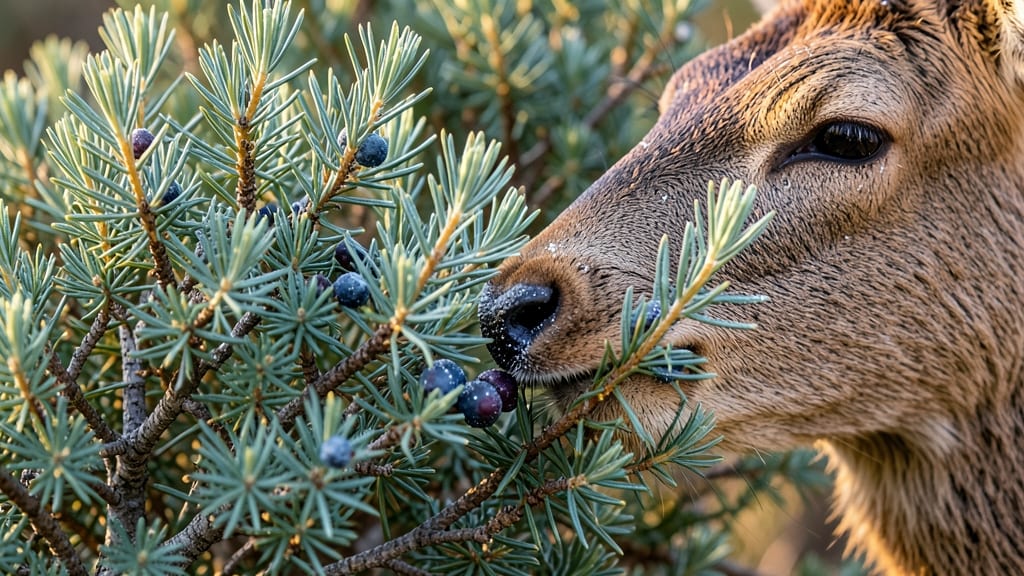
Deer rarely eat juniper shrubs because their tough, resinous needles and strong scent deter most browsing. While fawns may nibble young shoots in late winter, mature deer typically avoid them in favor of softer vegetation like clover or grasses.
Juniper shrubs contain high levels of terpenes like sabinene and myrcene, which give them that signature piney aroma deer find unappealing. 🌲 The needle-like foliage also creates a physical barrier that makes it difficult for deer to pull leaves off the stem.
This natural resistance makes junipers an excellent choice for gardeners looking to protect other plants without chemical repellents.
What’s interesting is how this preference changes with deer age and season. Fawns, with their less developed digestive systems, may sample tender new growth in late winter when other food sources are scarce.
However, once they mature, their taste buds—and stomachs—develop a strong aversion to the shrub’s bitter compounds. For homeowners, this means junipers can serve as a long-term deer deterrent once established.
💡 In This Article
- Why Deer Avoid Juniper Shrubs: Chemical and Physical Deterrents
- Best Deer-Resistant Alternatives to Juniper for Landscaping
Why deer avoid juniper shrubs: chemical and physical deterrents
Juniper shrubs produce a complex cocktail of terpenes—organic compounds like sabinene and myrcene—that create that familiar piney scent. These chemicals aren't just aromatic; they're biologically active deterrents.
Studies show deer have evolved to avoid plants with high terpene concentrations because they can cause digestive upset or even mild toxicity at high doses. The scent alone triggers their avoidance instincts, similar to how humans might reject overly bitter foods.
Physically, juniper needles are needle-like and resin-coated, making them difficult to chew.
The sharp edges and waxy coating create a texture that deer find unpleasant compared to softer plants like clover or grasses. 🌿 Even when hungry, deer prefer vegetation with 40-60% moisture content—juniper needles typically contain only 10-20% moisture, making them less appealing.
This physical barrier, combined with chemical deterrents, creates a double defense system that most deer instinctively recognize.
The comparison to palatable alternatives like yew or arborvitae highlights how specific deer preferences are. While yew contains toxic alkaloids that deer avoid, arborvitae has a milder taste and softer needles that deer will browse when other food is scarce.
Juniper's unique combination of chemical repellents and physical resistance makes it one of the most effective natural deer deterrents in landscaping. For gardeners, this means junipers can serve as a living fence that protects other plants without requiring chemical treatments.
Seasonal variations also play a role in deer behavior. During late winter when food is scarce, fawns may nibble on tender juniper shoots because their developing digestive systems aren't yet attuned to the plant's chemical defenses.
However, by their first year, these young deer typically develop the same avoidance patterns seen in adults. This age-related shift explains why established juniper shrubs become increasingly effective deer deterrents over time.
What's particularly interesting is how deer use scent to identify plants from a distance.
Juniper's strong aromatic profile acts as a visual warning sign in the animal kingdom—similar to how bright colors warn predators about toxic prey. 🌲 This olfactory avoidance mechanism is so strong that even deer that have sampled juniper occasionally will avoid it in future encounters.
The memory of the unpleasant taste and potential digestive discomfort creates a lasting aversion.
For those considering juniper as a deer deterrent, understanding these mechanisms helps explain why mature shrubs work best. Younger plants with softer growth may attract occasional browsing, but as the shrubs mature and develop their full chemical profile, they become nearly impenetrable to deer.
This natural defense system makes juniper an excellent choice for gardeners seeking low-maintenance, chemical-free solutions to protect their landscapes.