
Shrubs
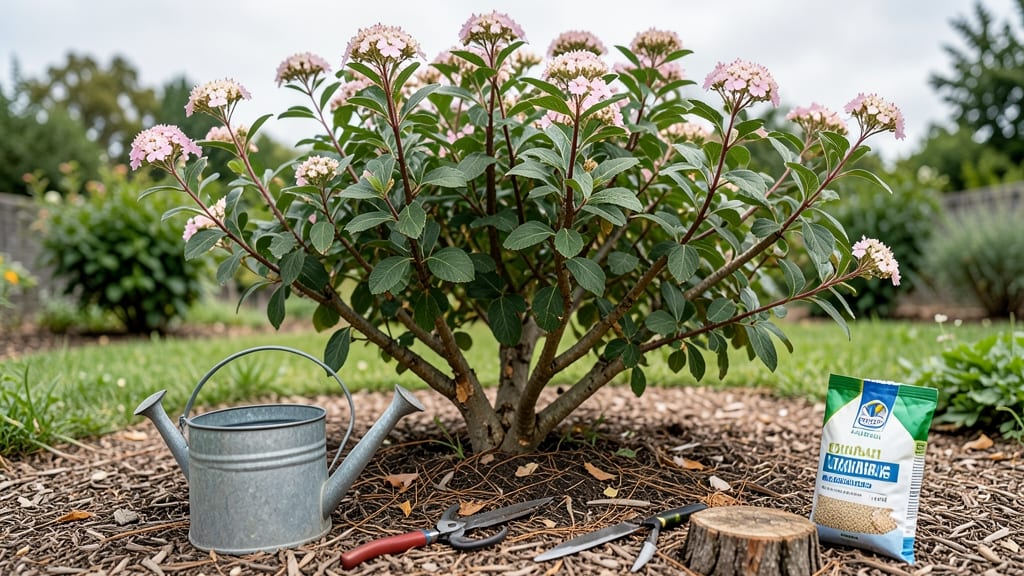
The care of ninebark shrub transforms it into a fragrant, bushy powerhouse by summer. 🌿 I’ve pruned mine every year since planting, and the difference is shocking—thicker stems, more blooms, and that signature peeling bark showing off.
The key is timing: wait until the last frost when new growth is about to burst, but don’t wait too long or you’ll miss the window. You’ll need sharp pruners, gloves, and a clear day to see the structure.
Ninebarks handle pruning better than most shrubs, so you can be bold—cut back one-third of the oldest stems to the ground and shape the rest lightly. The goal is to encourage fresh, vibrant growth from the base while keeping the canopy open for airflow (which cuts back powdery mildew).
By early June, you’ll see new red shoots pushing through, and by midsummer, the fragrant white blooms will attract pollinators like crazy. The secret? Prune after the flowers fade in late summer too—just a light trim to maintain shape. This two-step approach keeps your ninebark looking intentional all season.
Works for both standalone shrubs and hedges, and thrives in zones 3-8. The only rule? Never prune in fall—you’ll encourage tender growth that won’t survive winter. Now grab those shears!
📚 In This Guide
- What you need
- Instructions
- Tips and common mistakes
- Wrapping up and next steps
What you need
- ● Pruning shears: Bypass pruners (sharp, clean, and sterilized with rubbing alcohol). Quantity: 1 pair.
- ● Loppers: For thicker branches (2–3” diameter). Spec: Bypass or anvil (but bypass is gentler). Quantity: 1 pair.
- ● Pruning saw: For stubborn, woody stems (4–6” diameter). Spec: Curved blade for clean cuts.
- ● Gloves: Heavy-duty gardening gloves (cut-resistant for safety). Quantity: 1 pair.
- ● Disinfectant: 70% isopropyl alcohol or bleach solution (1 part bleach to 9 parts water) to sterilize tools.
- ● Rag or paper towels: For wiping tools between cuts.
- ○ Pruning sealant: Optional but helpful for large cuts (e.g., Tanglefoot Tree Wound Pruning Sealer).
- ● Garden twine: For tying branches (if needed for support). Quantity: Small roll.
- ● Ladder: For tall ninebark shrubs (extendable or sturdy step ladder).
- ● Hand pruners: Compact bypass pruners for precision trimming.
- ● Garden hose: For rinsing tools or cleaning up sap.
- ● Mulch: Shredded bark or wood chips (1–2” layer) to protect roots post-pruning.
- ● Fertilizer: Balanced slow-release fertilizer (e.g., 10-10-10) to nourish after pruning.
Step-by-step guide to late-winter ninebark pruning
This is the perfect time to refresh your ninebark shrub—just follow these key steps for a lush, fragrant canopy.
✂️ Step 1: Gather Your Tools and Inspect the Shrub
Start by sharpening your pruning shears and grabbing clean, disinfected rubbing alcohol (70% or higher) to wipe down blades between cuts. Ninebark's thick stems can dull tools quickly, so a sharp cut prevents tearing. Grab your gloves too—those thorns are no joke.
Walk around the shrub and scan for dead, crossing, or diseased branches. Look for brown, brittle stems or any with blackened spots—these need removal first. I always start with the obvious candidates, making the rest of the job easier. If you see any mushroom-like growth at the base, that's a sign of rot and needs immediate attention.
✂️ Step 2: Remove Dead and Problematic Branches
Cut out any dead wood first—these branches won’t regrow and just take energy from healthy growth. Make your cuts at the base of the branch, just outside the branch collar (that swollen area where the branch meets the trunk). Avoid leaving stubs, as they can rot and attract pests.
Next, tackle crossing branches—where two stems grow toward each other. Remove one entirely, choosing the weaker of the two. For diseased branches, cut back to 6 inches below the affected area to ensure you’ve removed all infected tissue. I like to bag these branches and toss them in the trash, not the compost, to prevent spreading disease.
☀️ Step 3: Thin Out for Better Airflow and Light
Ninebark thrives when it gets good airflow and sunlight. Step back and look for areas where branches are too dense. Aim to remove about 20-30% of the total branches, focusing on the innermost growth that blocks light. You’ll see the shrub’s natural shape emerge as you work.
Cut branches back to an outward-facing bud—this encourages new growth to fill in gaps. If you’re unsure which bud to target, imagine drawing a line from the branch to the center of the shrub. Cut just above the bud that points in the opposite direction. This simple trick keeps the canopy open and airy, reducing the risk of fungal issues.
✂️ Step 4: Shape the Shrub for a Balanced Look
Now it’s time to refine the shape. Ninebark responds well to light pruning, so avoid drastic cuts—think of this as a haircut, not a buzz cut. Start at the top and work your way down, trimming back any branches that stick out too far or grow in awkward directions.
For a rounded, natural look, cut branches at a 45-degree angle just above a leaf bud. If you’re aiming for a more formal shape, make cuts parallel to the branch’s natural growth. Step back often to check your progress—you’ll know you’re on track when the shrub looks full but not crowded.
💧 Step 5: Clean Up and Fertilize for Spring Growth
Once pruning is done, gather all the clippings and remove them from the area to prevent pests or diseases from lingering. Rake up any fallen leaves or debris around the base of the shrub—this helps reduce overwintering pests and improves drainage.
After cleaning up, apply a balanced, slow-release fertilizer (like 10-10-10) around the drip line of the shrub. Water deeply to help the granules settle into the soil. This gives your ninebark the nutrients it needs to bounce back strong in spring. Keep an eye out for new growth in 4-6 weeks—that’s your sign everything’s on track!
Tips & tricks for perfect late-winter ninebark pruning
Here's what nobody tells you about keeping your ninebark looking its best after pruning.
Tool Prep Matters: Before you even touch a branch, take 5 minutes to properly prepare your pruning shears. Ninebark's thick stems can dull blades quickly, so I always sharpen my shears with a file and wipe them down with disinfected rubbing alcohol between cuts. This prevents tearing the bark and keeps cuts clean. Don't skip this step—it makes all the difference in how your cuts heal.
Visual Cues for Healthy Cuts: In Step 2, when removing dead wood, look for the branch collar—that swollen area where the branch meets the trunk. Make your cut just outside this collar, about 1/4 inch away. This ensures the wound seals properly and reduces the risk of disease entering the plant. Think of it like making a clean cut on your own skin—it heals better when it's precise.
Thinning Strategy: When you're thinning in Step 3, focus on removing branches that are growing inward toward the center of the shrub. These are the ones blocking light and airflow. I like to step back every few minutes and squint—it helps me spot the areas that need thinning more clearly. Remember, you're aiming to remove about 20-30% of the total branches, not just the ones that catch your eye first.
Post-Pruning Care: After you've finished shaping, don't forget the cleanup. Rake up all the clippings and remove them from the area to prevent pests and diseases from taking hold. I also like to give the base of the plant a good watering right after pruning to help it recover. This is especially important if you've made larger cuts—think of it as giving your shrub a drink after surgery.
Pro Tips for Care Of Ninebark Shrub
- Here's what nobody tells you about keeping your ninebark looking its best after pruning.
- Tool Prep Matters: Before you even touch a branch, take 5 minutes to properly prepare your pruning shears.
- Visual Cues for Healthy Cuts: In Step 2, when removing dead wood, look for the branch collar—that swollen area where the branch meets the trunk.
Frequently asked questions
Got questions about keeping your Physocarpus thriving? Here are answers to the most common ones—so you can prune with confidence and enjoy that fragrant canopy all season!
When is the best time to prune ninebark for late-winter blooms?
Late winter (just before new growth starts, typically February–March) is ideal! Prune after cold snaps but before buds swell. This timing ensures you don’t cut off next year’s flowers while removing dead or crossing branches. Pro tip: Wait until temps consistently stay above freezing to avoid stressing the plant.
How much can I cut back ninebark without harming it?
Ninebark is tough—you can safely remove up to ⅓ of the plant’s height per year. For rejuvenation, cut back old wood to 6–12 inches from the ground, but avoid over-pruning. Young shrubs (under 3 years) only need light shaping to encourage bushiness.
Why are my ninebark leaves turning yellow or spotted?
Yellowing leaves often signal overwatering or fungal issues. Check soil moisture (it should drain well) and inspect undersides for pests. Fix it: Thin dense foliage for airflow, apply neem oil, and avoid wetting leaves when watering. Spotty leaves? Likely a fungal problem—prune affected areas immediately and improve drainage.
Can I grow ninebark in full shade? Will it still bloom?
Ninebark tolerates partial shade (4–6 hours of sun daily) but thrives in full sun for best blooms and vibrant foliage. In deep shade, expect fewer flowers and slower growth. If shading is unavoidable, choose a variegated cultivar (like ‘Little Devil’) for year-round interest.
What’s a good alternative if my ninebark isn’t thriving?
Try these low-maintenance, fragrant shrubs for similar beauty:
- Spirea (Spiraea spp.) – Blooms spring to summer, drought-tolerant.
- Butterfly bush (Buddleia) – Loves sun, attracts pollinators, but can be invasive.
- Weigela – Showy flowers, hardy, and great for hedges.
- Potentilla (Dasiphora) – Tough, long-blooming, and deer-resistant.
Wrapping up and next steps
With these late-winter pruning tips, your ninebark shrub is on track for a lush, fragrant canopy that will steal the show all season! 🌿 Remember, the key is timing, tools, and technique—and a little patience goes a long way.
Now that you’re armed with the know-how, grab those shears and transform your shrub into a thriving masterpiece.
Ready to elevate your garden game? Next, explore seasonal care tips to keep your ninebark flourishing year-round—or tag us in your before-and-after pruning pics for a chance to be featured! 📸