
Shrubs
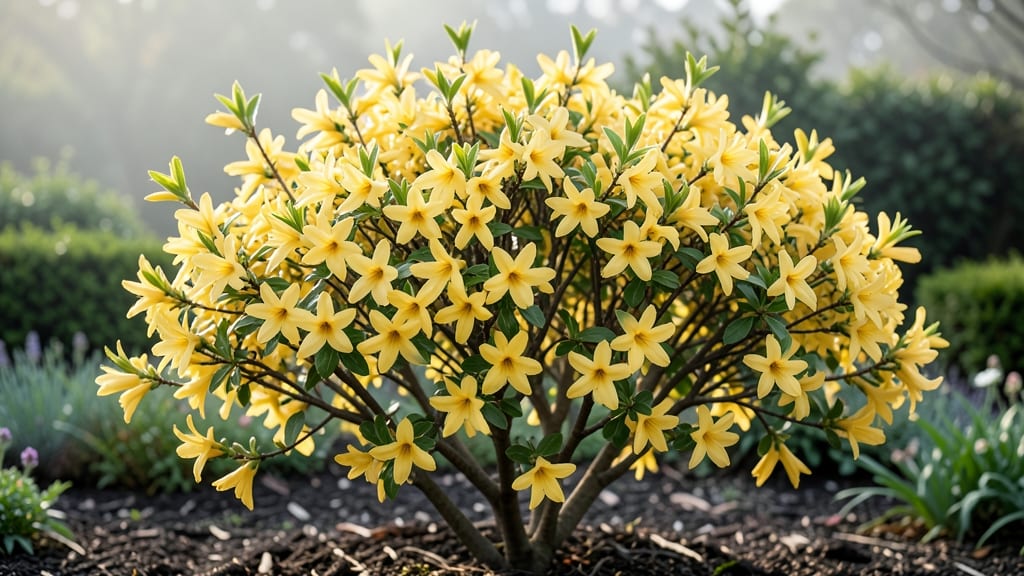
The Lynwood Gold forsythia shrub just got a golden upgrade. 🌟 It transforms bare branches into a blaze of yellow cheer—if you prune it right. I've watched this compact shrub go from sad and leggy to a fragrant, blooming powerhouse after mastering the timing and technique.
The secret isn't complicated: prune when the plant is still dormant but after the worst winter cold has passed. This shrub thrives in full sun with well-draining soil, and once established, it handles drought surprisingly well.
What makes it special is how it blooms on old wood—meaning those vibrant yellow flowers arrive before most spring foliage even thinks about waking up. By late February or early March, you'll see new growth pushing through the old stems, and those first bright blooms will appear within weeks.
The fragrance alone makes it worth the effort, but the compact size (typically 6-8 feet tall and wide) means it fits almost anywhere without taking over. This shrub is equally at home as a standalone specimen or mixed into shrub borders.
Here's how to keep it looking its best all season long.
📚 In This Guide
- What you need
- Instructions
- Tips and common mistakes
- Wrapping up and next steps
What you need
- ● Pruning shears or loppers: Sharp, bypass-style tools (avoid dull blades to prevent tearing). For thick branches, opt for loppers (18–24" long).
- ○ Pruning saw: Optional for stubborn, woody stems (choose a curved-tooth saw for cleaner cuts).
- ● Gloves: Heavy-duty gardening gloves (nitrile-coated for grip and protection).
- ● Disinfectant: 70% isopropyl alcohol or a 10% bleach solution (1 part bleach to 9 parts water) to sterilize tools between cuts.
- ● Trash bags: Heavy-duty contractor bags (2–3) for pruned debris.
- ● Hose or bucket: For rinsing tools and cleaning up sap.
- ○ Marking twine or flags: Optional—use brightly colored twine or stakes to mark branches to remove (if planning a complex design).
- ● Timing: Prune right after flowering (late winter/early spring) to avoid cutting off next year’s blooms. Ideal temps: 40–60°F (4–15°C).
- ● Weather check: Choose a dry, overcast day to minimize stress on the shrub.
- ○ Safety gear: Optional but recommended: Safety glasses (if dealing with large branches) and long sleeves (to protect from sap and thorns).
- ● Shrub health: Ensure your Lynwood Gold Forsythia is dormant (no green growth) before pruning.
Step-by-step instructions for reviving Lynwood Gold forsythia through late-winter pruning
Here's how to transform your forsythia into a lush, fragrant spring star with just a few strategic cuts.
✂️ Step 1: Time Your Pruning for Maximum Impact
Prune your Lynwood Gold forsythia in late winter—right after the last hard frost but before buds begin to swell. This timing ensures you remove dead wood while preserving next season's blooms. Look for dormant branches with no green tissue, as these are ready for removal. I wait until early March in my zone 6 garden, when daytime temperatures consistently reach 45°F.
If you miss this window, don’t panic. You can still prune in early spring, but you risk cutting off some flower buds. The key is to act before the plant starts actively growing. Watch for tiny green tips at the branch ends—that’s your signal to grab the shears.
✂️ Step 2: Remove Dead, Diseased, or Weak Wood First
Start by inspecting your shrub for branches that are brown, brittle, or hollow. These are dead and should be cut back to the main stem or ground level. Use clean, sharp pruning shears to make cuts at a 45-degree angle, about ¼ inch above a bud or lateral branch. This angle helps water run off and prevents rot.
Next, look for branches that cross or rub against each other. These create wounds that invite disease. Remove one of the rubbing branches entirely—never leave a stub. I always step back after each cut to visualize the shape. A well-pruned forsythia should have an open, vase-like structure that lets light and air circulate.
✂️ Step 3: Thin Out Overcrowded Branches for Airflow
Forsythias bloom best when they receive plenty of sunlight and airflow. Thin out 20-30% of the oldest, thickest branches to open up the center of the shrub. Start at the base and work your way up, removing branches that grow inward or downward. These are the branches that steal energy from the plant and block light.
Cut each branch back to its point of origin or to a strong lateral branch. Avoid leaving stubs—always cut just outside the branch collar. After thinning, your forsythia should look like it’s breathing. You’ll notice more sunlight reaching the inner branches, which is exactly where next year’s bright yellow blooms will form.
✂️ Step 4: Shape the Shrub for a Full, Balanced Canopy
Now it’s time to refine the shape. Step back and imagine your forsythia as a rounded, tiered vase. Start by removing any branches that spoil the symmetry. Cut back overlong branches to a bud facing outward—this encourages growth in the direction you want. For Lynwood Gold, which has a naturally upright habit, I aim for a slightly broader top than bottom.
Use your shears to make small adjustments rather than drastic cuts. The goal is to maintain the shrub’s natural form while opening it up. If a branch is too long but still healthy, you can shorten it by ⅓ of its length to promote bushier growth. Avoid cutting into old wood—focus on younger branches for the best results.
💧 Step 5: Clean Up and Fertilize for Spring Growth
After pruning, remove all clippings from the area to prevent disease. Forsythias are prone to fungal issues, so disposal is key. Once the ground is clear, spread a 2-inch layer of compost around the base of the shrub, keeping it 6 inches away from the trunk. This adds nutrients and improves soil structure for the new growth.
Water deeply to settle the compost and encourage root development. A slow soak of 1-2 gallons is enough—no need to overdo it. In early spring, apply a balanced, slow-release fertilizer (10-10-10) to give your forsythia the nutrients it needs for vigorous blooming. Avoid high-nitrogen fertilizers, which promote leafy growth at the expense of flowers.
Tips & tricks for reviving your Lynwood Gold forsythia
These simple strategies will help you prune like a pro and keep your forsythia thriving for years to come.
Timing is Everything: The late winter window is critical—aim for when daytime temperatures consistently reach 45°F in your zone. If you're unsure about frost dates, check your local cooperative extension service for precise timing. I always mark my calendar for early March in zone 6, but adjust based on your climate. The goal is to prune before those tiny green tips appear, which signal new growth. If you're late, you can still prune in early spring, but you might sacrifice some blooms.
Pruning Shear Precision: Use sharp, clean pruning shears to make clean cuts at a 45-degree angle, about ¼ inch above a bud or lateral branch. Dull shears crush stems, creating wounds that invite disease. I like to wipe down my shears with rubbing alcohol between cuts when working with multiple plants. For thicker branches, consider using loppers—just make sure they're clean and sharp too. The cleaner your cuts, the faster your forsythia will heal and bloom.
Visualize the Final Shape: Before making any cuts, step back and visualize your forsythia as a rounded, tiered vase. This mental image helps guide your pruning decisions. Focus on creating an open center that allows sunlight and airflow to reach all branches. I often sketch a rough outline on paper first to plan my cuts. Remember, you can always remove more, but you can't put back what you've cut off. Work from the inside out, removing branches that grow inward or downward first.
Post-Pruning Care: After you've finished pruning, don't forget the cleanup. Remove all clippings from the area immediately to prevent fungal diseases. I like to compost the healthy-looking branches, but dispose of any diseased wood in the trash. Spread that 2-inch layer of compost around the base, keeping it 6 inches away from the trunk—this adds nutrients without smothering the plant. Water deeply with 1-2 gallons of water to help settle the compost and encourage root development.
Pro Tips for Lynwood Gold Forsythia Shrub
- These simple strategies will help you prune like a pro and keep your forsythia thriving for years to come.
- Timing is Everything: The late winter window is critical—aim for when daytime temperatures consistently reach 45°F in your zone.
- Pruning Shear Precision: Use sharp, clean pruning shears to make clean cuts at a 45-degree angle, about ¼ inch above a bud or lateral branch.
Frequently asked questions
Got questions about your Lynwood Gold Forsythia? We’ve got answers!
Whether you’re a newbie gardener or a seasoned pro, these FAQs will help you keep your fragrant beauty thriving. Let’s dive in!
When is the best time to prune Lynwood Gold Forsythia?
The golden rule for pruning this shrub is right after flowering (late spring) or in early spring before buds swell. Avoid pruning in late summer or fall—it can reduce next year’s blooms! For best results, prune within 2–4 weeks after flowering to encourage lush, vibrant growth.
How much can I trim back my Lynwood Gold Forsythia?
You can safely trim up to one-third of the shrub’s height without stressing it. For a fuller look, focus on thinning out older, overcrowded branches from the center. Avoid heavy pruning in one go—gradual trims over 2–3 years keep the plant healthy and blooming.
Why isn’t my Lynwood Gold Forsythia blooming?
Lack of blooms often stems from poor pruning timing or over-pruning. If you cut back after the flowers appear, you’ll trim off next year’s buds. Also, ensure it gets 6+ hours of sunlight and well-draining soil. A balanced fertilizer in early spring can also give it a bloom boost!
Are Lynwood Gold Forsythia shrubs deer-resistant?
While not fully deer-proof, these shrubs are less appealing to deer than tender perennials. Deer may nibble if other food is scarce, but their bitter taste and thorny stems often deter them. For extra protection, consider deer repellent sprays or companion planting with deer-resistant species like boxwood.
Can Lynwood Gold Forsythia survive in cold climates?
This hardy shrub thrives in USDA Zones 4–9, making it perfect for cold climates. It tolerates winter temps down to -30°F (-34°C), though young plants may need mulch protection in their first year. Prune lightly in late winter to avoid damaging dormant buds.
What are some alternatives to Lynwood Gold Forsythia?
If you love its bright yellow blooms and fragrance, try these lookalikes:
All offer low-maintenance charm with stunning seasonal color!
Wrapping up and next steps
Transforming your Lynwood Gold Forsythia into a fragrant, vibrant centerpiece is simpler than you think—especially with the right late-winter pruning techniques! 🌸 By clearing out old wood, shaping for sunlight, and timing cuts just right, you’ll unlock a burst of golden blooms that brighten any landscape.
This shrub isn’t just resilient; it’s a low-maintenance superstar that rewards patience with stunning results.
Ready to give your forsythia the TLC it deserves? Grab your pruners, mark your calendar for late February or early March, and take the first step toward a showstopping spring display. Your garden—and future visitors—will thank you! 🌿✨