
Shrubs
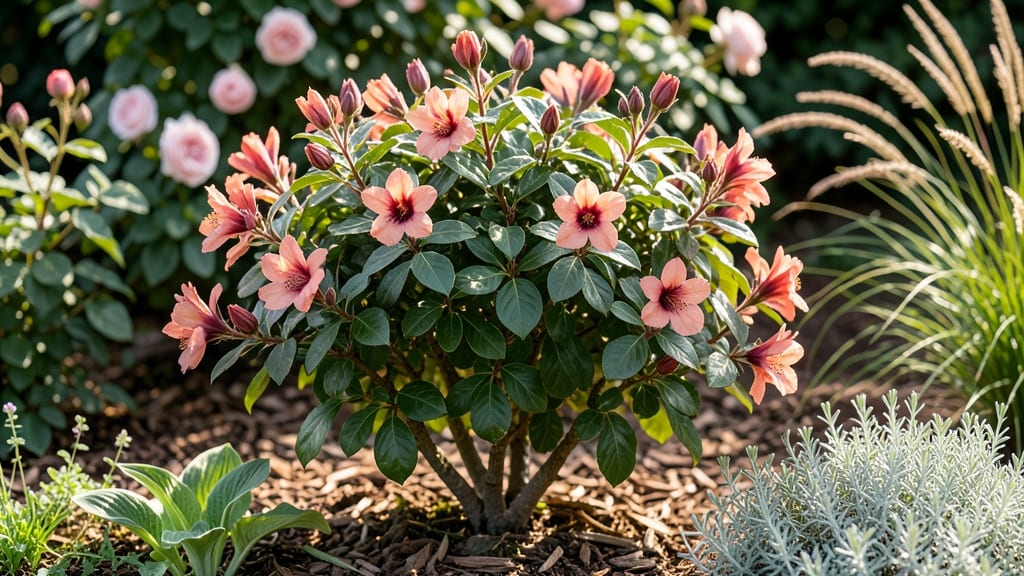
The care of Weigela shrubs starts with a simple secret: vibrant pink and red blooms every spring hinge on late-winter pruning—something I perfected after my first overgrown, leggy mess. ✂️ The right cuts now mean nonstop flowers from late spring through summer, with fewer gaps in the foliage.
Most gardeners wait too late, but timing is everything for these hardy shrubs.
Start by gathering sharp pruners, gloves, and a bucket for clippings—no fancy tools needed. Weigelas thrive in full sun and well-draining soil, but they’re surprisingly forgiving if you adjust watering during their first year. The key move?
Cutting back one-third of the oldest stems to the ground, while shaping the rest to open up the center for airflow. This isn’t just about looks; it forces new growth where blooms form.
After pruning, you’ll see fresh green shoots within 2-3 weeks, followed by a dramatic bloom surge that lasts longer than unpruned plants. Mulch lightly to retain moisture, and fertilize only if your soil feels poor—weigelas aren’t heavy feeders.
The best part? They handle cold snaps like champions, so winter prep is minimal beyond protecting young plants from harsh winds.
For experienced gardeners, try rejuvenation pruning every 3-4 years to revive older shrubs, or propagate cuttings in summer for free new plants. Beginners should focus on the basics first—consistent pruning beats overcomplicating it. Either way, your weigela will reward you with showstopper color that neighbors will envy.
📚 In This Guide
- What you need
- Instructions
- Tips and common mistakes
- Wrapping up and next steps
What you need
- ● Pruning shears: Sharp, bypass-style shears (2–3 pairs) for clean cuts on smaller stems (avoid dull blades—they crush wood!).
- ● Loppers: Heavy-duty loppers (24–30" length) for thicker branches (1–2" diameter). Look for ratcheting or bypass types for precision.
- ● Pruning saw: A curved-tooth saw (8–10" blade) for stubborn, woody stems (1–3" thick).
- ● Disinfectant: 70% isopropyl alcohol or a 10% bleach solution (1 part bleach to 9 parts water) to sterilize tools between cuts.
- ● Gloves: Garden gloves (heavy-duty, cut-resistant) to protect hands from thorns and sap.
- ● Rags or paper towels: For wiping down tools and absorbing sap.
- ● Trash bags: Heavy-duty bags (2–3) for collecting pruned debris.
- ○ Pruning sealant (optional but helpful): Tree wound dressing (like Tanglefoot Tree Wound Pruning Seal) for large cuts (2+ inches) to prevent disease.
- ● Extension pole: A 3–4 ft. pruning pole with a saw attachment for high branches (saves your back!).
- ● Ladder: A sturdy step ladder (4–6 ft.) if your Weigela is tall (5+ feet).
- ● Marking spray: White spray paint to mark cuts before pruning (helps visualize the shape).
- ● Hand sanitizer: For post-pruning clean-up (because nobody wants sap on their hands all day!).
- ● Mulch: Shredded bark or pine straw (2–3 inches deep) to replenish after pruning.
Step-by-step guide to late-winter weigela pruning
Here's how to shape your weigela for maximum blooms—without sacrificing next year's flowers.
🌿 Step 1: Time Your Pruning for Optimal Growth
Prune your weigela in late winter, just as new growth begins but before buds swell—typically February through early March in most climates. This timing ensures you remove dead wood while preserving next year's flower buds, which form on old wood. Wait too long, and you risk cutting off potential blooms.
Check your plant's growth stage by looking for tight, green buds along the stems. These indicate active growth has started, but the buds haven't yet opened. If you see any brown, brittle stems, those are your first targets—they're dead and need removal immediately.
✂️ Step 2: Remove Dead and Diseased Wood First
Start by cutting out any dead, damaged, or diseased branches at their base. Use clean, sharp pruners to make 45-degree cuts just above a healthy bud or lateral branch. Diseased wood often appears shriveled, discolored, or oozing sap. Remove these first to prevent spreading pathogens to healthy growth.
Next, thin out crossing or rubbing branches—these create wounds and weaken the shrub. Look for branches that intersect or grow in opposite directions. Cut one of the two, always leaving the stronger, healthier branch. This opens up the center of the plant for better airflow and light penetration.
☀️ Step 3: Shape the Shrub for Balance and Airflow
Step back and assess the overall shape of your weigela. Aim for a rounded, open form that allows sunlight to reach the interior branches. Start pruning from the outer edges, cutting back one-third of the oldest stems to encourage new growth. Focus on overly long or leggy branches—trim them back to a strong lateral branch or bud.
For a multi-stemmed weigela, avoid creating a single dominant leader. Instead, prune to maintain 3-5 main stems of equal size. This ensures a bushy, balanced shrub. If you see water sprouts (thin, upright shoots growing from the base), remove them entirely—they drain energy from the main plant.
⏰ Step 4: Stimulate New Growth for Spring Blooms
After shaping, give your weigela a light trim to encourage dense foliage and more flowers. Cut back last year’s flower stalks to just above a set of leaves or buds. This redirects the plant’s energy toward producing new blooms rather than seeding. Weigelas bloom on both old and new wood, so avoid heavy pruning that removes too many mature stems.
Finish by sanitizing your pruners with rubbing alcohol to prevent bacterial spread. Water the base of the shrub deeply after pruning to help it recover. Within 4-6 weeks, you should see fresh, vibrant growth emerging from the pruned areas—your reward for a job well done.
Tips & tricks for perfect late-winter weigela pruning
Late-winter pruning transforms your weigela into a blooming powerhouse—here’s how to avoid common pitfalls and maximize results.
Seasonal Timing Secret: The February-through-March window is critical because weigela buds form on old wood. If you prune too early, you risk cutting off next year’s blooms before they’ve even formed. Look for those tight, green buds as your cue—once they’re visible but still unopened, it’s go time. I’ve learned the hard way that waiting until buds swell means sacrificing half your spring flowers.
Pruning Technique That Changed Everything: Always make your cuts at a 45-degree angle just above a healthy bud or lateral branch. This simple angle prevents water from pooling on the cut surface, which could lead to rot. For thicker branches, I use a bypass pruner—it gives me cleaner cuts that heal faster. And remember: when removing crossing branches, leave the stronger, healthier one behind to maintain the plant’s energy balance.
Shape with Purpose: Weigelas thrive when pruned into an open, rounded form that lets sunlight reach the center. Start with the outer edges and work inward, cutting back one-third of the oldest stems to stimulate new growth. I find it helpful to visualize the plant as a vase shape—wide at the base, narrowing slightly toward the top. This creates an airy structure that prevents disease by improving airflow.
Post-Pruning Recovery Strategy: After you’ve finished shaping, give your weigela a deep drink of water to help it recover. Within 4-6 weeks, you’ll see fresh growth emerging from the pruned areas—this is your confirmation that the plant is redirecting its energy toward new blooms. I also recommend applying a balanced fertilizer at this stage to support the plant’s recovery and encourage vigorous spring growth.
Pro Tips for Care Of Weigela Shrub
- Late-winter pruning transforms your weigela into a blooming powerhouse—here’s how to avoid common pitfalls and maximize results.
- Seasonal Timing Secret: The February-through-March window is critical because weigela buds form on old wood.
- Pruning Technique That Changed Everything: Always make your cuts at a 45-degree angle just above a healthy bud or lateral branch.
Frequently asked questions
Got questions about keeping your Weigela thriving? Here are answers to the most common concerns—so you can enjoy those vibrant blooms all season long!
When is the best time to prune a Weigela shrub?
Prune your Weigela in late winter or early spring before new growth begins. This ensures you remove dead wood while preserving next year’s flower buds. Avoid pruning in fall—it can stimulate tender growth that won’t survive winter. For a detailed pruning guide, check out our step-by-step instructions!
How much can I cut back a Weigela?
You can safely prune up to one-third of the shrub’s height in late winter. Focus on removing dead, diseased, or crossing branches first, then shape the plant by thinning out older wood from the center. Never shear—it creates dense growth and fewer flowers. For a bushy look, cut just above a leaf bud or side branch.
What if my Weigela dies back after winter?
Don’t panic! Weigela often looks dormant in winter but regrows from the base. Prune back any blackened or mushy stems in late winter, and new growth should emerge by spring. If the entire shrub is dead, check for common pests or diseases like powdery mildew or scale. Mulch heavily in fall to protect roots from freeze-thaw cycles.
Can I grow Weigela in containers?
Weigela thrives in containers with well-draining soil and a pot at least 18–24 inches wide. Choose a sunny spot and water regularly to prevent soil from drying out. Repot every 2–3 years and prune lightly to control size. Just remember—container-grown shrubs may need winter protection in cold climates (e.g., wrapping the pot in burlap).
Why aren’t my Weigela flowers as vibrant as they used to be?
Fading blooms often signal over-fertilizing (too much nitrogen = leafy growth, fewer flowers) or poor pruning habits (cutting back old wood too late). Feed with a balanced, bloom-boosting fertilizer in early spring, and prune correctly in late winter. Weigela also needs 6+ hours of sun daily—shady spots reduce flower production.
Pro Tip:
For year-round blooms, deadhead spent flowers after pruning in spring. This encourages continuous flowering and keeps your Weigela looking its best. Plus, a light trim in mid-summer can extend the blooming season!
Wrapping up and next steps
Caring for your Weigela shrub doesn’t have to be complicated—just a little love and the right timing go a long way! With late-winter pruning, you’ll unlock year-round blooms and keep your plant thriving. Remember: sharp tools, clean cuts, and patience are your best friends.
Now that you’re armed with the know-how, roll up your sleeves and give your Weigela the attention it deserves! Ready to transform your garden? Grab your pruners and start pruning today—your future blooms will thank you! 🌸✂️