
Succulent
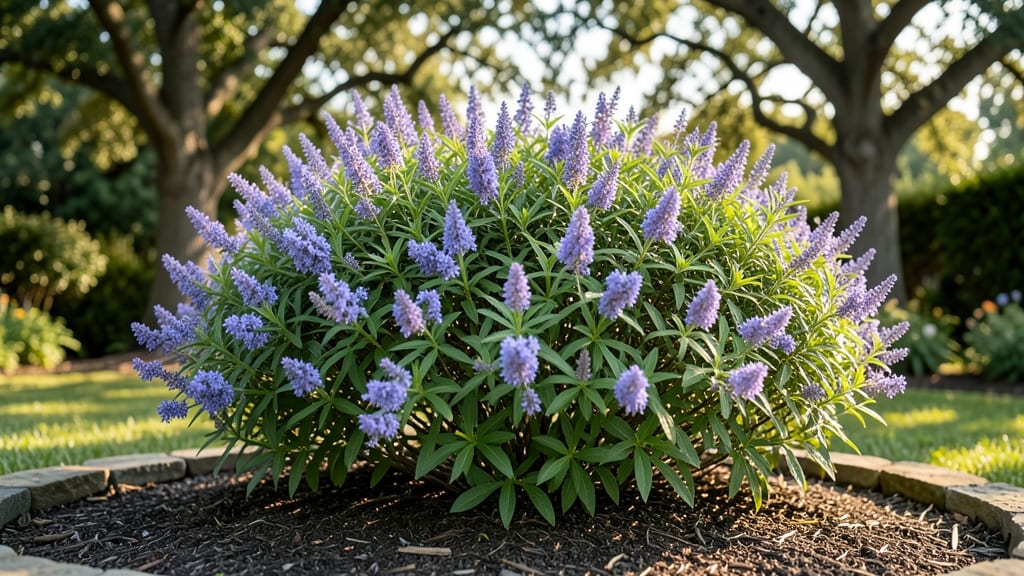
Growing a blue mist shrub transforms your yard into a fragrant, thorn-free haven with striking lavender-blue blooms that hum with pollinators. 🌿 I planted mine last spring, and within just two seasons, it became my go-to privacy screen—soft, fragrant, and completely pest-free.
The key? Mimicking its natural dry conditions and giving it space to spread. This shrub thrives in full sun to partial shade, tolerates poor soil, and handles drought like a champ once established.
You’ll want well-draining soil (even sandy works) and minimal fuss—water only when the top inch feels dry. Prune lightly after flowering to keep it tidy, and watch it reward you with months of color from summer through fall.
What’s magical is how it fills the air with a sweet, herbal scent—like a mix of lavender and mint—that lingers on warm evenings. The flowers attract bees and butterflies, turning your yard into a living pollinator hotel. Even better, it stays thorn-free, making it perfect for family-friendly spaces.
Propagation is a breeze too—simply take 4-inch cuttings in spring or early summer, dip in rooting hormone, and pot them up. Within 8-12 weeks, you’ll have new plants ready to expand your fragrant borders. Just avoid overwatering, and you’ll avoid the most common issue: root rot.
📚 In This Guide
- What you need
- Instructions
- Tips and common mistakes
- Wrapping up and next steps
What you need
- ● Blue Mist Shrub: 1–3 nursery-grown plants (3–4 ft tall for faster results) or seeds (if starting from scratch).
- ● Well-draining soil: Mix 1 part native soil with 1 part compost and 1 part perlite/sand (improves aeration).
- ● Sunlight access: Full sun (6+ hours daily) or partial shade (for hotter climates).
- ● Watering can or hose: With a gentle spray nozzle for moisture control.
- ● Garden trowel or shovel: For digging holes (12–18" wide/deep for each plant).
- ○ Pruning shears: Sharp, sterilized shears for trimming (optional but helpful for shaping).
- ○ Mulch (optional but recommended): 2–3" layer of shredded bark or pine straw to retain moisture.
- ● Garden gloves: Protect your hands from thorns (though Blue Mist is thorn-free, nearby plants may not be!).
- ○ pH test kit (optional): Ideal soil pH: 6.0–7.5 (adjust with lime or sulfur if needed).
- ● 🌡️ Best planting time: Early spring or fall (avoid extreme heat/cold).
- ● ✨ Drought tolerance: Once established, water deeply 1–2x/week (less in winter).
- ● 🎯 Spacing: Plant 3–5 ft apart for a dense hedge (they’ll fill in beautifully in 3 years!).
Step-by-step guide to planting and cultivating blue mist shrubs
Here’s how to establish a fragrant, low-maintenance privacy screen that thrives in most climates.
🌱 Step 1: Select the Right Planting Site and Prepare the Soil
Blue mist shrubs (Caryopteris × clandonensis) love full sun—at least 6-8 hours daily—and well-draining soil. I always test my soil first with a simple pH kit; these shrubs prefer 6.0-7.0. If your soil is heavy clay, amend it with 2-3 inches of compost and a handful of coarse sand to improve drainage.
Choose a location where the shrubs will have 3-4 feet of space to spread naturally. Avoid low-lying areas where water pools after rain. Dig a hole twice as wide as the root ball but only as deep—planting too deep suffocates roots and causes stress. Loosen the sides of the hole with a shovel to encourage root expansion.
🌿 Step 2: Plant with Proper Spacing and Mulch for Retention
Remove the shrub from its container and gently tease the roots if they’re circling. Place it in the hole so the top of the root ball sits level with the surrounding soil—never buried deeper. The first true leaves should be just above soil line. Backfill with the native soil you removed, tamping lightly every 2 inches to eliminate air pockets.
Water deeply immediately after planting to settle the soil. Then, spread 2-3 inches of mulch (like pine straw or shredded bark) around the base, keeping it 3 inches away from the stem to prevent rot. Mulch conserves moisture and regulates soil temperature, which is especially helpful in the first year when roots establish.
☀️ Step 3: Water and Fertilize for Strong Early Growth
Keep the soil evenly moist but not soggy for the first 4-6 weeks—water when the top 1-2 inches feel dry. Overwatering is the fastest way to kill new plantings, so I use a moisture meter to check before watering. After that initial period, reduce watering to once a week unless your area experiences extreme heat or drought.
Fertilize lightly in early spring with a balanced 10-10-10 formula (about ½ cup per shrub). Blue mist shrubs aren’t heavy feeders, so avoid high-nitrogen fertilizers—they encourage leafy growth at the expense of those signature blue flowers. Prune back any dead or damaged stems immediately after planting to redirect energy to root development.
✂️ Step 4: Prune for Shape and Encourage Blooms
Prune in late winter or early spring before new growth appears. Remove one-third of the oldest stems at the base to rejuvenate the shrub and promote bushier growth. I also trim back any leggy or crossing branches to improve airflow and reduce disease risk. Use clean, sharp pruners and make cuts just above a leaf node or bud.
After flowering (typically late summer), you can do a light cleanup by removing spent blooms. This encourages a second, lighter flush of flowers and keeps the shrub looking tidy. Avoid heavy pruning after mid-summer—new growth won’t harden off before winter, and cold damage becomes a risk.
🪴 Step 5: Monitor for Pests and Maintain Long-Term Health
Blue mist shrubs are generally pest-resistant, but watch for spider mites or aphids in dry conditions. Spray the undersides of leaves with neem oil if you spot webbing or clusters of tiny insects. I also inspect for powdery mildew in humid summers—improve airflow by thinning dense areas and apply a fungicide if needed.
Every 2-3 years, refresh the mulch and top-dress with 1-2 inches of compost to replenish nutrients. These shrubs are drought-tolerant once established, but a deep soak every 2 weeks during prolonged dry spells keeps them thriving. With proper care, your blue mist screen will reach 6-8 feet tall and 6-10 feet wide in 3-4 years, providing fragrant privacy and seasonal color.
Tips & tricks for thriving blue mist shrubs
Here's what I've learned after watching these fragrant shrubs transform yards—and how to avoid the pitfalls that trip up even experienced gardeners.
Soil Preparation Secret: Don't just amend the planting hole—work 2-3 inches of compost into the surrounding soil too. Blue mist shrubs have shallow roots that spread wide, and they'll thank you for this extra nutrition. I've seen plants struggle when their roots hit unamended native soil just inches away from the amended hole.
Planting Depth Caution: The top of the root ball should sit exactly level with the surrounding soil—never buried, never exposed. I learned this the hard way when a neighbor's plant wilted after being planted too deep. The first true leaves should be just above soil level, and you'll notice the stems are slightly thicker at the base where they join the roots.
Mulch Placement Matters: Keep that 2-3 inches of mulch at least 3 inches away from the stem to prevent rot. I've seen too many gardeners pile mulch right against the trunk, which creates moisture traps that invite fungal diseases. Think of it like wearing a sweater—too tight and it chafes, just right and it keeps you comfortable.
Watering Wisdom: Those first 4-6 weeks are critical for root establishment. I use a moisture meter to check soil moisture at 1-2 inches deep before watering—this prevents both underwatering and the more common overwatering mistake. In my experience, most gardeners err on the side of too much water, which leads to root suffocation.
Pro Tips for Blue Mist Shrub
- Here's what I've learned after watching these fragrant shrubs transform yards—and how to avoid the pitfalls that trip up even experienced gardeners.
- Soil Preparation Secret: Don't just amend the planting hole—work 2-3 inches of compost into the surrounding soil too.
- Planting Depth Caution: The top of the root ball should sit exactly level with the surrounding soil—never buried, never exposed.
Frequently asked questions
Got questions about growing and caring for your blue mist shrub? You’re not alone—this fragrant beauty has a few quirks! Here are the most common queries to help you cultivate a thriving, thorn-free privacy screen.
How fast does a blue mist shrub grow?
A Caryopteris × clandonensis typically grows 12–24 inches per year under ideal conditions. With proper care—full sun, well-draining soil, and regular pruning—you can achieve a 6–8-foot-tall privacy screen in 3–5 years. Patience pays off with its stunning blue blooms!
Is blue mist shrub cold-hardy?
Yes! This shrub thrives in USDA Zones 5–9, tolerating winter temperatures down to -15°F (-26°C). For extra protection in colder zones, mulch the base with 2–3 inches of organic matter (like shredded bark) after the first frost to insulate roots.
Can I grow blue mist shrub in pots?
While they’re often planted as hedges, blue mist shrubs adapt well to large containers (15+ gallons). Use a fast-draining potting mix with perlite or sand, and ensure the pot has drainage holes. Expect slightly slower growth but abundant blooms if you fertilize lightly in spring.
Why isn’t my blue mist shrub flowering?
Lack of blooms usually stems from over-fertilizing with high-nitrogen feed (which encourages leafy growth) or poor sunlight. To fix it:
- Move to full sun (6+ hours daily).
- Switch to a low-nitrogen, bloom-boosting fertilizer (like 5-10-10) in early spring.
- Prune spent blooms to encourage new growth.
What’s a good alternative if I want a fragrant, low-maintenance shrub?
If blue mist isn’t your vibe, try these fragrant, thorn-free alternatives:
Shrub
Key Traits
Abelia × grandiflora (Glossy Abelia)
White/pink flowers, evergreen, drought-tolerant (Zones 5–9).
Daphne odora (Winter Daphne)
Highly fragrant winter blooms, compact (Zones 5–8).
Lavender (e.g., Lavandula angustifolia)
Drought-resistant, aromatic foliage, attracts pollinators (Zones 5–9).
Wrapping up and next steps
The blue mist shrub is a dream come true for gardeners seeking a fragrant, low-maintenance, and thorn-free privacy screen that delivers fast, lush growth—all while adding a touch of coastal charm to your landscape.
With the right soil, sunlight, and care, you’ll enjoy its silvery-blue foliage and sweet citrusy scent in just three years or less!
Ready to transform your space? Start with a single plant or a small cluster, follow the steps above, and watch your blue mist shrub thrive. Whether you’re a beginner or a seasoned gardener, this shrub is your ticket to effortless beauty—one fragrant leaf at a time! 🌿✨