
Watering
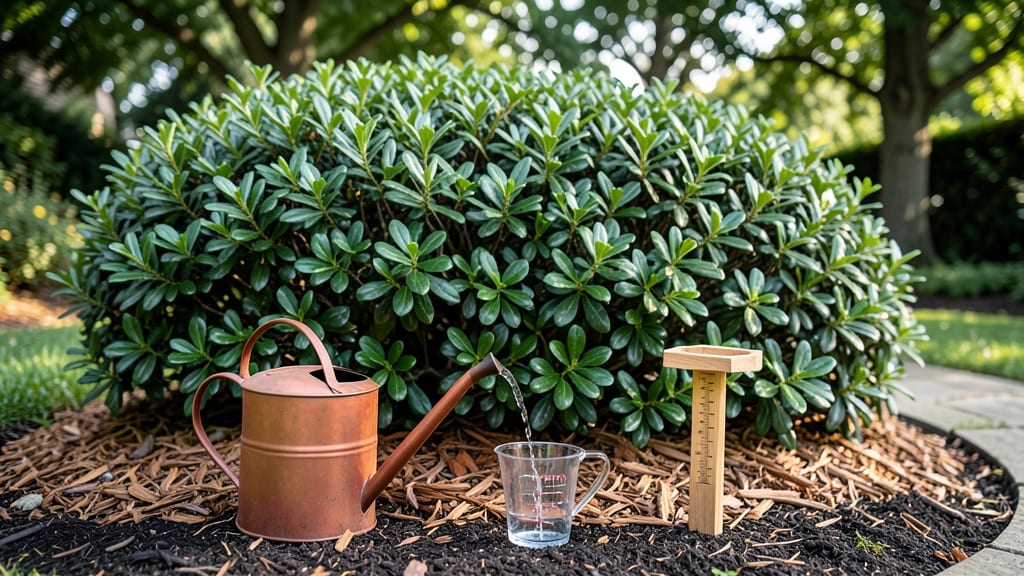
Your shrubs' survival hinges on how much water do shrubs need per week—one gallon is the baseline, but that’s just the start. 🌿 Too much and roots rot; too little and leaves crisp like autumn leaves.
The real secret is how you deliver it: deep soaks that encourage strong roots, not light sprinkles that evaporate. Soil type changes everything. Sandy soil drains fast—water every 2-3 days in summer—but clay holds moisture longer, needing water only every 7-10 days.
Mulch cuts water needs by 30%, keeping roots cool and soil moist. Drought-tolerant shrubs like lavender need less; thirsty hydrangeas demand more. By the end of summer, you’ll spot glossy leaves and sturdy stems—proof you’ve nailed the balance.
Overwatered shrubs wilt despite damp soil; underwatered ones drop leaves and look stressed. Watch for these clues and adjust. This works for any yard, from desert landscapes to humid climates. Let’s get those roots thriving!
📚 In This Guide
- What you need
- Instructions
- Tips and common mistakes
- Wrapping up and next steps
What you need
- ● Watering can or hose with adjustable nozzle: A 1-gallon watering can (for small shrubs) or a hose with a gentle spray or soaker nozzle (for larger shrubs or multiple plants).
- ● Measuring cup or graduated container: A 1-cup (8 oz) or 1-gallon container to measure water accurately for precise calculations.
- ○ Timer (optional but helpful): A smartphone or analog timer to track watering duration (especially for hose use).
- ● Garden trowel or small shovel: For checking soil moisture 2–3 inches below the surface without disturbing roots.
- ○ Moisture meter (optional but recommended): A digital soil moisture sensor to avoid over- or under-watering.
- ● Drip irrigation system: For automated, slow-release watering (ideal for drought-prone areas or large gardens).
- ● Mulch (2–4 inches): Organic mulch (straw, wood chips) or inorganic (gravel) to retain moisture and regulate soil temperature.
- ● Rain gauge: To monitor natural rainfall and adjust watering schedules accordingly.
- ● Notebook or app: For tracking watering logs, soil types, and shrub responses over time.
How to water shrubs for deep roots and drought resistance
Here's the smart approach I use to keep shrubs thriving with minimal water—once you master this, your plants will handle dry spells like pros.
💧 Step 1: Determine Your Shrub's Water Needs by Type
Most shrubs need 1-1.5 inches of water per week during their first year, then 1 inch weekly once established. Drought-tolerant varieties like lavender or juniper need only ½ inch weekly once mature. Check your shrub's tag or research its specific needs—overwatering is just as harmful as underwatering.
Newly planted shrubs need more frequent watering—2-3 times per week for the first month—until roots establish. You'll know they're settled when leaves stay firm and green, not wilting or yellowing. Mature shrubs typically need watering every 7-10 days, depending on rainfall.
☀️ Step 2: Water Deeply and Less Often
Instead of light daily watering, give shrubs a deep soaking every 7-10 days to encourage deep root growth. Use a hose with a gentle spray nozzle or soaker hose to deliver water slowly at the base. Water until you see moisture 6-8 inches deep—stick your finger in the soil to check.
Shallow watering keeps roots near the surface, making plants more drought-sensitive. Deep watering trains roots to seek moisture below ground, creating a more resilient shrub. I like to water in the early morning so moisture evaporates during the day, reducing fungal risks.
🌱 Step 3: Adjust for Season and Weather
In summer, increase watering to 1.5 inches weekly if temperatures exceed 85°F or there's no rain. Mulch around the base with 2-3 inches of organic mulch to retain moisture and regulate soil temperature. In winter, reduce watering to ½ inch monthly unless you're in a frost-free zone.
Watch for signs of stress: Wilting leaves mean it's time to water, while yellowing leaves often signal overwatering. Container-grown shrubs dry out faster and may need watering every 3-4 days in hot weather. Group containers together to create a microclimate that retains moisture longer.
✂️ Step 4: Monitor Soil and Adjust Your Routine
Test soil moisture weekly by pushing your finger 2-3 inches deep. If it feels dry, water thoroughly. Sandy soil drains quickly and may need watering every 4-5 days, while clay soil holds moisture longer and can go 10-14 days between waterings. Adjust your schedule based on what you observe.
Here's the thing—most people overwater shrubs because they don't check soil moisture. A good rule of thumb: If it hasn't rained in 7 days, water. If you see water pooling on the surface after watering, you're overdoing it. Shrubs are tougher than you think—let them tell you what they need through their leaves and growth.
Tips & tricks for perfect shrub watering
Real talk: Most gardeners either drown their shrubs or let them thirst—here’s how to nail that sweet spot every time.
Soil Check is King: Before watering, always test soil moisture by pushing your finger 2-3 inches deep. If it feels dry, give your shrubs that deep soaking (6-8 inches) we talked about. I’ve seen people water daily just because the surface feels dry—big mistake! That’s like giving someone a sip of water when they need a full glass.
Mulch Makes Magic: That 2-3 inches of organic mulch isn’t just decoration—it’s your secret weapon against evaporation. Spread it in a 2-inch ring around the base (not touching the stem) to lock in moisture and regulate soil temperature. I’ve cut my summer watering by 30% since I started mulching religiously.
Time It Right: Watering in the early morning (before 9 AM) gives plants all day to absorb moisture before evaporation kicks in. Evening watering can promote fungal growth, and midday watering just evaporates. Pro move: Set a weekly reminder on your phone for your shrub’s watering day—out of sight, out of mind leads to over- or under-watering.
Seasonal Adjustments: When temperatures hit that 85°F threshold in summer, increase to 1.5 inches weekly—but don’t forget to dial back to ½ inch monthly in winter unless you’re in a frost-free zone. I keep a small notebook by my garden tools to track seasonal changes and adjust accordingly. It’s the little details that keep shrubs thriving through every season.
Pro Tips for How Much Water Do Shrubs Need Per Week
- Real talk: Most gardeners either drown their shrubs or let them thirst—here’s how to nail that sweet spot every time.
- Soil Check is King: Before watering, always test soil moisture by pushing your finger 2-3 inches deep. If it feels dr...
- Mulch Makes Magic: That 2-3 inches of organic mulch isn’t just decoration—it’s your secret weapon against evaporation...
Frequently asked questions
Got questions about keeping your shrubs thriving without over- or under-watering? Here are some of the most common concerns—and their answers—to help you nail the perfect watering routine!
How do I know if my shrubs are getting too much or too little water?
Check the soil before watering: Stick your finger 2–3 inches deep. If it’s dry, it’s time to water. If it’s soggy, wait. Wilting leaves or yellowing foliage often signal thirst, while moldy soil or fungus at the base means you’re overdoing it. Pro tip: Healthy shrubs should bounce back after a light squeeze—if they stay limp, they need hydration!
Should I water shrubs every day, or is weekly watering enough?
Weekly watering is ideal for most mature shrubs, but young or newly planted shrubs may need 2–3 times per week for the first year. Deep watering (1–1.5 inches per session) encourages strong root growth. Adjust based on weather: hot, dry spells mean more frequent watering, while rain can buy you a break. Always prioritize soil moisture over a rigid schedule!
Can I use rainwater or collected gray water to water my shrubs?
Rainwater is gentler on plants and free of harsh chemicals found in tap water. Gray water (from sinks, showers, or washing machines) is also a great alternative, but avoid water with soap, bleach, or salt. Just ensure it’s not hot and doesn’t pool around roots. A simple rain barrel or diverter system makes this eco-friendly swap easy!
What’s the best time of day to water shrubs to avoid waste?
Water in the early morning (5–9 AM) to reduce evaporation and fungal risks. Avoid evening watering, as damp foliage overnight can attract pests or diseases. If you must water later, aim for late afternoon (after 4 PM) and water the base of the plant, not the leaves. Bonus: Mulch helps retain moisture, so you’ll spend less time fussing!
My shrubs look droopy even after watering—what’s going wrong?
Droopy shrubs often signal root stress, which could mean:
- Underwatering: Soil is bone-dry; water deeply and check drainage.
- Overwatering: Roots suffocate in soggy soil; let it dry out and improve aeration.
- Heat shock: Sudden heat waves can wilt plants; provide shade temporarily.
- Pests/disease: Inspect for bugs or fungal spots; treat accordingly.
Wrapping up and next steps
Finding the perfect watering balance for your shrubs ensures they thrive without wasting resources. Remember: most shrubs need 1 to 1.5 inches of water per week, adjusting for soil type, climate, and season—deep, infrequent watering builds resilience.
With these tips, you’re well on your way to nurturing lush, drought-tolerant shrubs that wow neighbors and attract pollinators!
🌱 Next step: Grab your watering can or hose and schedule a quick check this weekend—your shrubs will thank you!