
Flowers
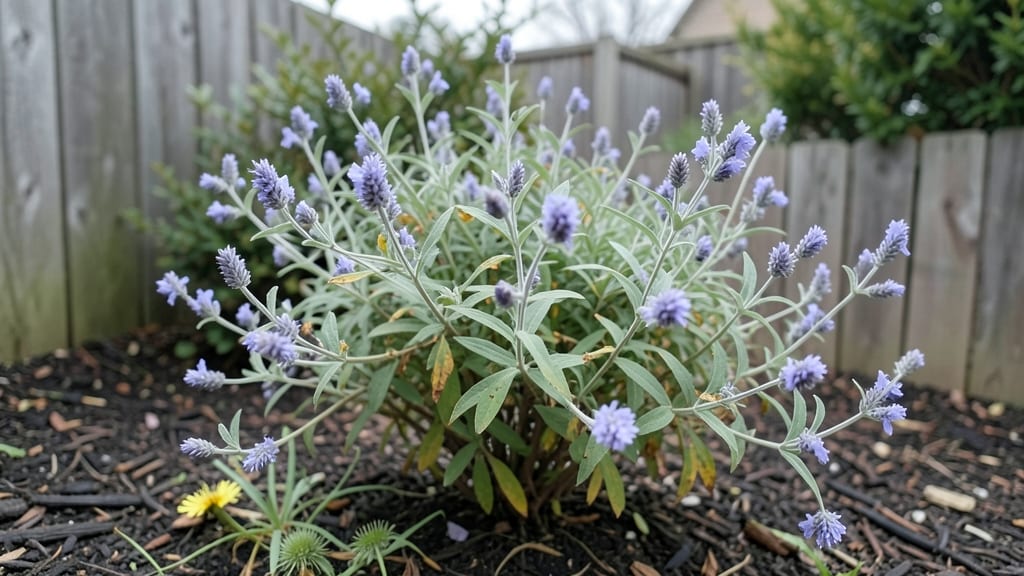
The blue flower shrub identification you need begins with spotting their signature shapes and sun-loving zones—I’ve spent years tracking which shrubs deliver that coveted blue bloom, from lacecap hydrangeas to butterfly bush and glorybower. 🌿 The wrong ID can mean years of frustration waiting for blooms that never match the photos.
Most gardeners overlook two critical factors: petal structure (flat clusters vs. spiky blooms) and hardiness zones (some need heat, others tolerate frost). A lacecap hydrangea’s delicate, fan-like blooms won’t survive Zone 5 winters, while butterfly bush thrives there but attracts bees like crazy.
Soil pH even changes blue hydrangeas to pink—something most guides skip.
You’ll walk away knowing exactly which shrub fits your yard’s light, soil, and climate. Picture a butterfly bush bursting with violet-blue spikes in July, or a glorybower’s trumpet-shaped blooms lighting up a shady corner. The right choice means blooms that last from early summer through frost.
We’ll cover the top 5 blue shrubs, their quirks, and how to spot them before you buy. No more guessing—just reliable blooms that turn heads every season. Let’s match you with the perfect one.
Why Blue Blooms Stay Hidden
Blue-flowered shrubs are rare in nature, and their scarcity often stems from a mix of biological, environmental, and horticultural factors. Understanding these causes can help gardeners spot them more easily—or even grow them successfully. Here’s why blue blooms are so elusive and how their identification hinges on these key influences.
Most blue hues in flowers aren’t true "blue" but rather purple or violet shades with high anthocyanin concentrations. True blue pigments, like those in Delphinium or Lobelia, rely on specific flavonoids that are rare in shrubs. Here’s why:
- Anthocyanin vs. Delphinidin: Purple flowers produce anthocyanins, which shift color based on pH. Blue flowers, however, often contain delphinidin, a more unstable pigment that degrades faster in sunlight or heat.
- Lack of Co-Pigments: True blue requires copigmentation—molecules that stabilize delphinidin. Many shrubs lack these supporting compounds, leaving their blooms closer to lavender or mauve.
- Evolutionary Trade-Offs: Plants prioritize pollinator attraction. Bright reds, yellows, and purples are easier for bees and birds to see, while blues (which appear darker to some insects) are less common in shrub lineages.
Pro Tip: 💡 If you’re hunting for blue shrubs, focus on genus-specific traits. For example, Callistemon (bottlebrush) often has blue-tinged flowers in cooler climates, while Agapanthus (lily of the Nile) produces near-blue blooms due to its unique flavonoid profile.
Even if a shrub has the genetic potential for blue flowers, environmental conditions can shift its pigmentation toward purple, pink, or white. Here’s how:
| Factor | Effect on Blue Pigments | Actionable Fix |
|---|---|---|
| 🔥 High Temperature | Heat accelerates delphinidin breakdown, turning blue flowers pale or pinkish. | Plant in partial shade (e.g., morning sun + afternoon shade) or choose heat-tolerant blues like Clerodendrum. |
| 💦 Soil pH | Alkaline soils (pH > 7) enhance blue hues, while acidic soils (pH < 6) deepen purples. | Test soil and amend with lime (to raise pH) or sulfur (to lower pH) for optimal color. |
| ☀️ Sunlight Intensity | Direct sun can bleach pigments, while filtered light preserves blue tones. | Use dappled shade (e.g., under tall trees) for shrubs like Plumbago. |
Warning: ⚠️ Over-fertilizing with nitrogen can also dull blue colors by promoting leafy growth over flower pigmentation. Use a low-nitrogen, high-phosphorus fertilizer (e.g., 5-10-10) to encourage blooming.
Blue flowers often serve specialized ecological roles, which can limit their presence in gardens:
- Bee vs. Butterfly Preferences: Many shrubs with blue blooms (e.g., Buddleja) attract butterflies and hummingbirds, not bees. If your garden lacks these pollinators, the shrub may produce fewer or paler flowers.
- Native Range Restrictions: True blue shrubs like Ceanothus (California lilac) thrive only in USDA Zones 7–10. Outside these zones, their flowers may revert to lavender or fail to bloom entirely.
- Competition with Other Plants: In dense gardens, shrubs may stress from competition, reducing pigment production. Prune aggressively in early spring to encourage vibrant blooms.
Grower Hack: 🌿 Plant blue-flowering shrubs near native pollinator magnets, like Salvia or Echinacea, to boost their flowering potential.
Not all "blue" shrubs are what they seem! Many are mislabeled or hybridized, leading to confusion:
- Hybridization: Some shrubs (e.g., Hydrangea macrophylla) produce blue-tinted flowers only in alkaline soils. Without proper pH, they’ll bloom pink or purple.
- Juvenile vs. Mature Plants: Young shrubs (e.g., Pieris japonica) may produce pale or greenish flowers before developing true blue-white blooms in maturity (3+ years).
- Disease or Nutrient Deficiency: Yellowing leaves or stunted growth can mimic poor pigmentation. Check for powdery mildew or chlorosis (iron deficiency), which can alter flower color.
Diagnostic Tip: 🔍 If a shrub’s flowers look "off," inspect leaves for yellowing between veins (chlorosis) or white powdery residue (fungus). Adjust care accordingly.
Fixing Common Blue Flower Shrub Issues
Identifying a stunning blue-flowered shrub is just the first step—keeping it thriving requires addressing potential challenges head-on. Whether your plant is struggling with pests, environmental stress, or growth problems, these practical solutions will help you revive and maintain your shrub’s beauty.
Below, we break down common issues and their fixes, along with prevention tips to keep your blue blooms vibrant for years.
Cause: Shrubs planted too close together compete for nutrients, water, and sunlight, leading to stunted growth or weak blooms.
How to Fix It: 🔥 🌿 Prune and Reposition
- Trim back overgrown branches to improve airflow and reduce competition. Use clean, sharp pruners to avoid damaging the plant.
- If shrubs are too close, carefully dig up one and transplant it to a new location with at least 3–5 feet of space between plants (adjust based on the shrub’s mature size).
👨🍳 🌱 Mulch and Feed
- Apply 2–3 inches of organic mulch (like wood chips or shredded bark) around the base to retain moisture and suppress weeds.
- Fertilize in early spring with a slow-release, balanced fertilizer (10-10-10 or similar) to boost root and foliage health.
Prevention Tips: ✨ Plan ahead when planting—check the shrub’s mature size on the tag or in gardening guides. 🎯 Monitor growth annually and prune lightly in late winter to encourage bushier, healthier plants.
Cause: Blue-flowering shrubs like Caryopteris (Bluebeard) or Agapanthus are drought-tolerant but suffer from soggy soil or dehydration, leading to yellowing leaves or wilting.
How to Fix It: 🔥 💦 Adjust Your Watering Routine
- Underwatering? Water deeply 1–2 times per week (more in extreme heat), ensuring the soil is moist 6 inches down. Use a moisture meter if unsure.
- Overwatering? Let the top 2–3 inches of soil dry out between waterings. Improve drainage by amending clay soil with compost or perlite.
🥘 🌡️ Check Soil and Drainage
- If your shrub sits in a low spot where water pools, create a slight mound or install a French drain to redirect excess water.
- For container-grown shrubs, ensure pots have drainage holes and use well-draining potting mix.
Prevention Tips: 💡 Group plants with similar water needs to simplify care. 🌡️ Mulch heavily in summer to retain moisture and cool roots.
Cause: Aphids, spider mites, or fungal diseases (like powdery mildew) can stress blue-flowering shrubs, reducing blooms or causing leaf drop.
How to Fix It: 🔥 🔪 Treat Pests Naturally
- Aphids/Spider Mites: Spray with neem oil or a soapy water solution (1 tsp mild dish soap per quart of water). Repeat every 5–7 days until pests vanish.
- Fungal Issues: Prune affected leaves immediately and apply copper fungicide or a baking soda spray (1 tbsp baking soda + 1 quart water + a drop of soap).
👨🍳 🌿 Boost Plant Resilience
- Strengthen your shrub by watering at the base (not overhead) to reduce fungal spores.
- Encourage beneficial insects (like ladybugs) by planting marigolds or basil nearby.
Prevention Tips: 🎯 Inspect plants weekly during growing season for early signs of pests. ✨ Avoid overhead watering in humid climates to prevent fungal spores from spreading.
Cause: Blue-flowering shrubs like Lavender or Salvia may struggle in intense heat (leaf scorch) or freezing temps (bud drop).
How to Fix It: 🔥 🌿 Shield from Extreme Conditions
- Heat Stress: Provide afternoon shade with a lightweight shade cloth (30–50% coverage) or plant near taller shrubs for natural protection.
- Cold Damage: Mulch heavily with straw or pine needles in fall to insulate roots. For tender varieties, wrap young plants in burlap over winter.
🥘 💧 Hydrate Strategically
- In heatwaves, water early in the morning to reduce evaporation.
- For cold-hardy shrubs, reduce watering in late fall to harden off plants before winter.
Prevention Tips: 💡 Choose the right shrub for your zone—check the USDA Hardiness Zone on plant tags. 🌡️ Acclimate potted shrubs gradually to outdoor temps if moving them between seasons.
Cause: Pale leaves, weak stems, or sparse blooms may signal nitrogen, phosphorus, or micronutrient deficiencies.
How to Fix It: 🔥 📊 Test and Amend Soil
- Conduct a soil test (available through local extension offices) to identify deficiencies.
- Yellow leaves? Add iron sulfate or chelated iron for chlorosis.
- Poor blooms? Use a phosphate-rich fertilizer (like 5-10-10) in early spring.
👨🍳 🍎 Feed Organically
- Mix compost or worm castings into the soil annually for slow-release nutrients.
- For container plants, fertilize every 4–6 weeks during growing season with a balanced liquid fertilizer.
Prevention Tips: 🎯 Rotate fertilizers to avoid overloading soil with one nutrient. ✨ Top-dress with compost every spring to replenish organic matter naturally.
With these targeted solutions, your blue-flowering shrub will bounce back stronger than ever. Pro tip: Keep a gardening journal to track what works best for your specific plant—so next season, you’ll be a shrub-care pro! 🌸
Frequently asked questions
How can I tell if my shrub's blue flowers are true blue or just purple?
True blue flowers contain delphinidin pigments, while purple blooms rely on anthocyanins. Hold a white sheet of paper behind the flower—true blue will look cooler and more vibrant, while purple will appear warmer. For example, Agapanthus (lily of the Nile) produces near-blue blooms, while Hydrangea flowers shift between blue and pink based on soil pH.
Why do some blue-flowering shrubs change color over time?
Many shrubs, like Hydrangea macrophylla, produce blue flowers only in alkaline soil (pH > 7). In acidic soil (pH < 6), they turn pink. Other factors like sun exposure or nutrient deficiencies can also alter pigmentation. Test your soil and adjust with lime (to raise pH) or sulfur (to lower pH) for consistent color.
Which blue-flowering shrubs are best for small gardens?
Compact varieties like Caryopteris 'Worcester Gold' (Bluebeard) or Plumbago auriculata (leadwort) thrive in containers or tight spaces. Both reach 3–4 feet tall and bloom prolifically in full sun to partial shade. For shade gardens, Pieris japonica (Japanese andromeda) offers delicate blue-white blooms in USDA Zones 6–9.
Can I grow blue-flowering shrubs in containers?
Yes! Shrubs like Lavender or Salvia 'May Night' thrive in pots with well-draining soil and drainage holes. Use a 5-gallon container minimum for mature plants and fertilize monthly during growing season. Avoid overwatering—let the top 2 inches of soil dry between waterings to prevent root rot.
How do I attract more pollinators to my blue-flowering shrubs?
Blue flowers often attract butterflies and hummingbirds, not bees. Plant companion flowers like Salvia or Echinacea nearby to draw pollinators. Avoid pesticides, as they harm beneficial insects. For example, Buddleja davidii (butterfly bush) is a magnet for pollinators when paired with Lavender or Catmint.