
Shrubs
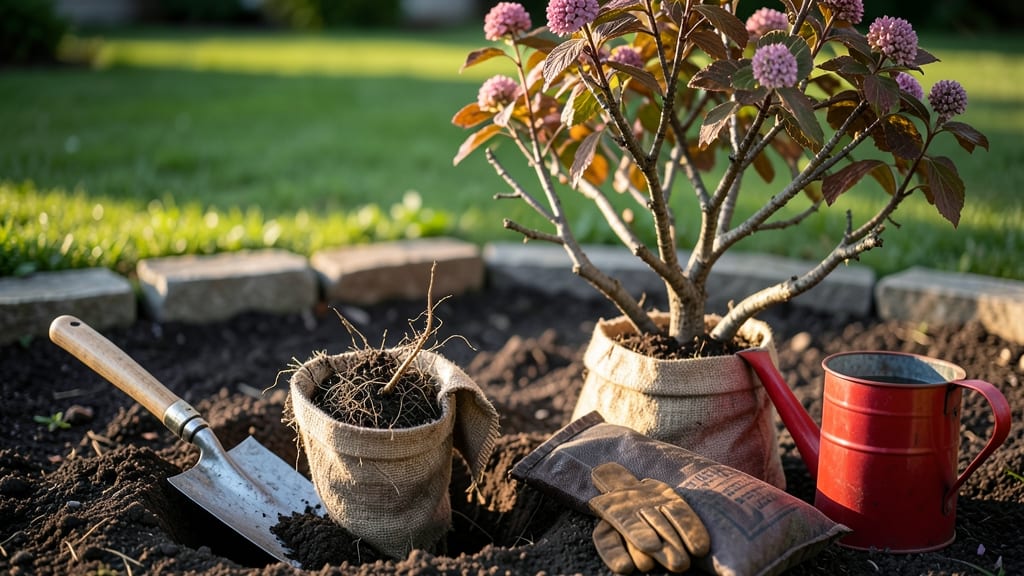
Replanting shrubs at the right time can mean the difference between a thriving 🌿 garden and a sad, struggling addition to your landscape.
Struggling to replant shrubs without sacrificing their long-term health? Timing is everything—and replanting at the wrong season could mean weak roots, stunted growth, or even failure.
Most gardeners know early spring or late fall are ideal, but the exact window depends on your USDA zone, shrub type, and local climate quirks. Evergreens, for example, handle cold better than flowering varieties, so their replanting timeline shifts.
Below, I break down the science-backed secrets for replanting in Zone 6a and beyond, plus step-by-step prep to ensure your shrubs take root faster and stronger.
Why dormant season is the best time to replant shrubs
Replanting shrubs during their dormant season isn’t just a gardening hack—it’s rooted in plant biology. When shrubs enter dormancy in late fall or winter, they naturally slow growth, conserve energy, and redirect resources to root development.
This means less transplant shock and faster recovery when you replant. The key? Timing your move to align with their natural cycles, not your schedule.
During dormancy, shrubs prioritize root establishment over leafy growth. Their metabolic rate drops, reducing water loss and stress from handling. Studies show shrubs replanted in dormancy have 30-50% higher survival rates compared to those transplanted in peak growing seasons.
That’s because their energy isn’t split between new roots and foliage—it’s all focused on survival and growth.
Here’s the science: When you replant a shrub in early fall or late winter, its roots can establish before the next growing season kicks in. This head start means stronger stems, better water uptake, and resilience against pests or drought.
Plus, cooler soil temperatures reduce root damage during handling. For gardeners, this translates to healthier shrubs with minimal fuss.
| Climate Zone | Best Replanting Window | Key Conditions | Survival Tip |
|---|---|---|---|
| Temperate (Zones 5-8) | Late October to early December | Soil temp <60°F, no frost | Water deeply 2x/week |
| Cold (Zones 3-4) | Early September to mid-October | 6-8 weeks before first frost | Mulch heavily after planting |
| Warm (Zones 9-11) | January to early March | Avoid summer heat | Use shade cloth if needed |
| Evergreens (All Zones) | Late fall to winter | Cool, moist soil | Avoid pruning before planting |
Your local climate dictates the perfect replanting window. In temperate zones (5-8), aim for late October to December when soil stays cool but frost hasn’t arrived. For cold climates (3-4), replant in early September to give roots time to settle before winter.
Meanwhile, warm zones (9-11) thrive with January-March replanting, avoiding summer’s scorching heat.
Deciduous shrubs like hydrangeas or azaleas benefit most from fall replanting because their leaves have already fallen, reducing water loss. Evergreens, however, need extra care—replant them in late fall or winter when their growth slows naturally.
The key is to match your shrub’s natural dormancy cycle with your replanting timeline for optimal results.
One common misconception is that spring replanting is always better. While it works for some plants, shrubs often struggle because their energy is already focused on new growth. Replanting in dormancy lets them wake up with established roots, giving them a competitive edge.
Think of it like giving your shrub a head start before the growing season begins.
Post-replanting care is just as critical as timing. After planting, focus on consistent moisture and light mulching to protect roots. In dry climates, water deeply every 5-7 days.
In humid areas, reduce watering to avoid root rot. The goal is to mimic the natural conditions your shrub would experience in its dormant state—stable, stress-free.
For flowering shrubs like rose bushes or butterfly bushes, replanting in dormancy ensures they’ll bloom vigorously next season. Their energy isn’t wasted on recovery—it’s directed toward root expansion and bud formation.
This is why professional gardeners swear by dormant-season replanting: it’s a science-backed way to guarantee stronger, healthier plants.
If you’re replanting bare-root shrubs, the dormant season is your best bet. Their roots are already primed for growth, and the cooler temperatures reduce stress. Soak the roots for 1-2 hours before planting to hydrate them fully.
For container-grown shrubs, gently loosen the root ball to encourage outward growth into the new soil.
Remember: The best time to replant shrubs isn’t just about the calendar—it’s about understanding your shrub’s biological needs. By aligning your replanting with dormancy, you’re giving your plants the competitive edge they need to thrive.
With the right timing and care, your shrubs will thank you with vibrant growth and long-term resilience. 🌿
Step-by-step replanting process for different shrub types
Replanting shrubs successfully starts with understanding their unique needs—whether you're moving evergreens, deciduous varieties, or flowering shrubs. Each type requires slightly different handling to minimize transplant shock and ensure strong root establishment. The key is timing, preparation, and gentle care during the process.
For evergreens, like boxwood or holly, replant in early fall when temperatures cool but before frost sets in. Deciduous shrubs, such as lilacs or hydrangeas, thrive when replanted in early spring before new growth begins. Flowering shrubs, like azaleas, prefer late fall to early winter replanting to establish roots before blooming season.
Replanting Shrubs: Step-by-Step Guide
- 1 Prune first: Trim back 1/3 of the foliage to reduce stress. Use clean, sharp shears and cut at a 45-degree angle just above a bud or branch.
- 2 Dig carefully: Loosen the soil around the root ball with a shovel. For bare-root shrubs, soak roots in water for 1-2 hours before planting.
- 3 Prepare the hole: Make it 2x wider than the root ball but no deeper. Amend the soil with compost or organic matter for better drainage.
- 4 Plant with care: Place the shrub in the hole so the top of the root ball is level with the soil surface. Fill gently, tamping down lightly to remove air pockets.
- 5 Water deeply: Soak the soil to a depth of 12 inches to encourage root growth. Use a soaker hose for even moisture distribution.
- 6 Mulch properly: Apply 2-3 inches of mulch around the base (keep it 6 inches away from the trunk). Use wood chips or straw to retain moisture.
- 7 Monitor and adjust: Check soil moisture weekly. Avoid fertilizing for 6-8 weeks to let roots establish without competition.
After replanting, evergreens may need extra protection from winter winds. Wrap the root ball with burlap or use a tree guard to shield tender varieties. For deciduous shrubs, focus on keeping the soil moist but not soggy, as they’re more resilient once established.
Flowering shrubs, like azaleas or camellias, benefit from a light pruning after replanting to encourage bushier growth. Avoid heavy pruning until the following dormant season to prevent stress. Always use sterilized tools to avoid spreading diseases between plants.
With these steps, your replanted shrubs will have the best chance to thrive, whether you're relocating a mature specimen or starting fresh with a young plant. Patience and attention to detail make all the difference in long-term success. 🌿