
Vegetables
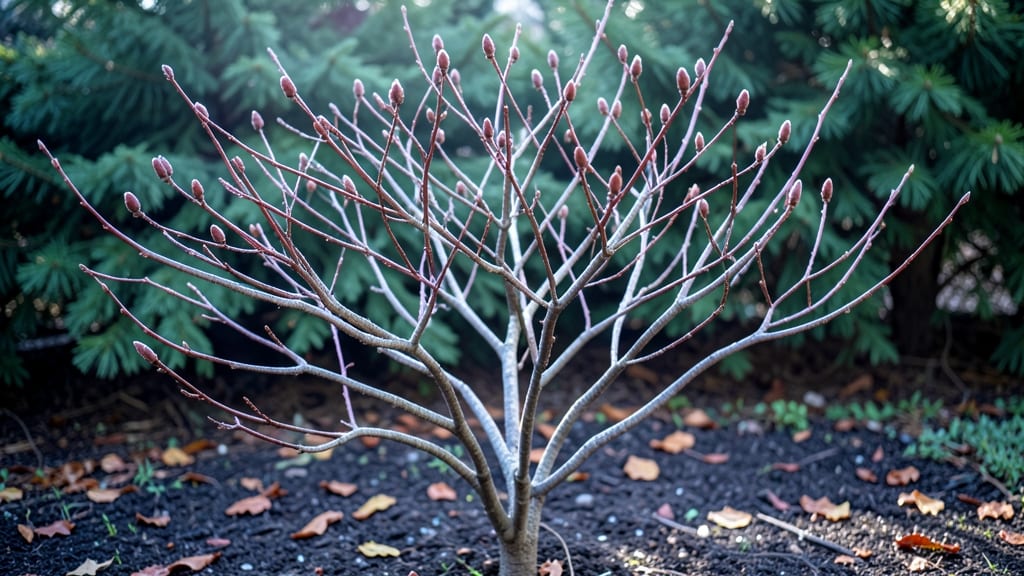
Your summersweet clethra shrub's winter survival starts with a single cut—done right, it guarantees vibrant blooms next summer. ✨ I learned the hard way that ignoring dormant-season pruning weakens growth and reduces flowers.
The key is timing: prune after the first hard frost but before spring shoots appear, and you'll encourage stronger stems and more fragrant clusters.
This isn't about drastic shaping—just removing dead wood and thinning crowded branches by one-third. Use sharp pruners to make clean cuts just above outward-facing buds. The goal is airflow and light penetration, which prevents fungal issues and encourages bushier growth.
Mulch with 2-3 inches of shredded bark to insulate roots from freezing temperatures.
By spring, you'll notice thicker stems and more blooms than ever before. The fragrant white flowers will return in June and July, and the shrub will handle heat and humidity better.
Even in colder zones, proper winter care keeps clethra thriving for decades—my 10-year-old plant is now 6 feet tall and covered in blooms.
Works for zones 3-9, though southern gardeners should prune slightly later to avoid late frosts. Skip this step, and you risk leggy growth and fewer flowers. Trust me—your clethra will thank you next summer with showstopping fragrance.
📚 In This Guide
- What you need
- Instructions
- Tips and common mistakes
- Wrapping up and next steps
What you need
- ● Pruning shears or loppers – Sharp, clean tools (bypass pruners are ideal for precision cuts). Size: 6–8" for shears, 10–12" for loppers.
- ● Garden gloves – Heavy-duty, cut-resistant gloves (e.g., Fellex or Warrior brand) to protect hands from thorns and sharp edges.
- ● Disinfectant (70% isopropyl alcohol or bleach solution) – 1 part bleach to 9 parts water to sterilize tools between cuts.
- ● Compost or mulch – 2–3 inches of organic mulch (e.g., pine straw, shredded bark, or aged compost) to insulate roots.
- ● Rake or hoe – For clearing debris and loosening soil around the base of the shrub.
- ● Watering can or hose with a gentle spray nozzle – To hydrate the plant before and after pruning.
- ○ String or twine (optional but helpful) – For tying back lightweight branches if needed.
- ● Hand pruners with a bypass blade – For smaller, more detailed cuts.
- ● Fertilizer (slow-release, low-nitrogen) – A balanced 10-10-10 or 5-10-10 formula to nourish roots post-pruning.
- ● Plant food spray (e.g., seaweed extract) – To boost resilience during dormancy.
- ● Pruning saw (for thick branches >1") – If your clethra has overly thick growth.
- ● Winter protection fabric (e.g., frost cloth) – For young or newly planted shrubs in harsh climates.
Step-by-step guide to winter pruning for summersweet clethra
Here's how to refresh your clethra shrub for vibrant blooms next season—without risking damage.
✂️ Step 1: Time Your Pruning for Optimal Dormancy
Prune summersweet clethra late winter—after the last hard frost but before mid-March, when buds begin swelling. This timing ensures you remove dead growth while leaving next season's flower buds intact. I wait until after the worst winter cold passes but before new growth starts, which varies by climate zone.
Check your local frost dates—pruning too early risks exposing tender stems to late freezes, while waiting too long encourages premature bud break. You'll know you've timed it right when the shrub looks dormant but the ground isn't frozen solid anymore.
🌿 Step 2: Assess and Remove Dead or Weak Growth
Start by scanning the entire shrub for dead, diseased, or crossing branches. Use clean, sharp pruners to make 45-degree cuts just above a healthy bud or lateral branch. I always work from the bottom up—this prevents accidentally cutting off higher branches that might be healthy.
Remove any branches that are thinner than a pencil or show signs of dieback. These won't recover and will only compete with stronger growth. If a branch is completely dead (no green pith when snapped), cut it back to the main stem or a healthy lateral. You'll see fresh green inside healthy wood—dry, brown pith means it's dead.
✂️ Step 3: Thin Out for Better Airflow and Light
Selectively thin 10-20% of the oldest stems at the base to encourage new growth. Summersweet clethra blooms on current season's growth, so thinning stimulates fresh shoots. Focus on removing branches that are crowding the center or growing inward.
Make cuts just above an outward-facing bud to promote an open, vase-like shape. Avoid "heading back" (cutting back into old wood)—this can reduce flowering. You'll notice the shrub's natural shape more clearly after removing the deadwood; let that guide your cuts.
🌱 Step 4: Shape for Next Season's Blooms
Lightly shape the outer edges to maintain a rounded, natural form. Summersweet clethra thrives with an open structure, so avoid tight, formal pruning. I trim just enough to remove wild, erratic branches that disrupt the overall silhouette.
Step back frequently to check your progress—you want the shrub to look balanced and full without looking overpruned. If you've cut back too aggressively, you'll see bare spots where new growth hasn't filled in yet. For a mature shrub, limit pruning to no more than 30% of the total foliage in one season.
💧 Step 5: Clean Up and Protect for Spring
After pruning, sterilize your tools with rubbing alcohol to prevent spreading disease. Remove all clippings from the area—leaving them can harbor pests or fungal spores. I like to compost the healthy trimmings, but avoid composting anything that looks diseased.
Apply a 2-3 inch layer of mulch around the base, keeping it 6 inches away from the trunk to prevent rot. This insulates roots and retains moisture for early spring growth. Water deeply if winter has been particularly dry, but avoid overwatering—clethra prefers well-drained soil.
Tips & tricks for perfect summersweet clethra winter pruning
Timing and technique make all the difference when pruning clethra—here’s how to avoid common mistakes and maximize next season’s blooms.
Timing is Everything: The late winter window (after last frost, before mid-March) is non-negotiable. If your area experiences unpredictable late freezes, wait until you’ve seen three consecutive nights above freezing—this prevents shocking tender new growth. I’ve learned the hard way that pruning too early can leave stems vulnerable to cold snaps, while waiting too long risks encouraging premature bud break. Check your local frost dates and mark your calendar accordingly.
Tool Prep Matters More Than You Think: Sterilizing your pruners with rubbing alcohol isn’t just about hygiene—it prevents spreading fungal spores that could infect your clethra. I keep a small bottle of alcohol in my gardening toolkit and wipe down blades between every 3-4 cuts, especially when working with diseased branches. Sharp tools also make cleaner cuts that heal faster, so invest in bypass pruners if you don’t already own them.
Visual Cues for Healthy Cuts: When making those 45-degree cuts in Step 2, look for the "green pith" test—healthy wood should reveal bright green when snapped, while dead branches show brown or black centers. This simple check eliminates guesswork. For branches thinner than a pencil, make your cuts just above an outward-facing bud to encourage new growth in the right direction. I’ve found that marking these buds with a small piece of tape before cutting helps me visualize the future shape.
Mulch Application Strategy: The 2-3 inch layer of mulch around your clethra’s base isn’t just decorative—it’s insulation. Keep it 6 inches away from the trunk to prevent rot while still protecting roots from temperature swings. For extra protection in cold climates, consider adding a layer of straw or leaves on top of regular mulch. This creates a cozy barrier that retains moisture and regulates soil temperature, which is especially helpful during late winter thaws.
Pro Tips for Summersweet Clethra Shrub In Winter
- Timing and technique make all the difference when pruning clethra—here’s how to avoid common mistakes and maximize next season’s blooms.
- Timing is Everything: The late winter window (after last frost, before mid-March) is non-negotiable.
- Tool Prep Matters More Than You Think: Sterilizing your pruners with rubbing alcohol isn’t just about hygiene—it prevents spreading fungal spores that could infect your clethra.
Frequently asked questions
about caring for your Summersweet Clethra shrub during winter—because even tough plants need a little TLC!Can Summersweet Clethra shrubs survive harsh winters without extra protection?
Most Summersweet Clethras are hardy (USDA Zones 3–9), but young plants or extreme winters may need help. Mulch heavily (3–4 inches) around the base to insulate roots. Avoid wrapping burlap—it can trap moisture and cause rot. If your area gets below -20°F, a light frost cloth can shield tender stems.
When is the best time to prune Summersweet Clethra in winter?
Late winter (February–early March) is ideal—after the worst cold passes but before new growth starts. Prune to shape, remove dead wood, and thin crowded branches. Pro tip: Cut just above a bud or leaf node to encourage healthy regrowth. Avoid heavy pruning in fall, as it stimulates tender growth that may not survive frost.
What should I do if my Summersweet Clethra looks dead after winter?
Don’t panic! These shrubs are resilient. Wait until late winter/early spring to assess—sometimes they’re just dormant. If branches are brittle and snap easily, they’re likely dead. Cut them back, but leave some healthy stems. If the plant is still alive but sparse, fertilize lightly in spring to encourage recovery.
Are there winter alternatives to Summersweet Clethra for fragrant summer blooms?
Yes! Consider Oakleaf Hydrangea (fragrant, winter-hardy), Butterfly Bush (drought-tolerant), or Dwarf Fothergilla (scented blooms + fall color). All thrive in similar conditions but may offer different winter resilience. Check your zone to match hardiness!
Why did my Summersweet Clethra lose all its leaves early this year?
Early leaf drop is usually stress-related—check for underwatering, poor drainage, or pests (like spider mites). If the roots are soggy, improve drainage with compost. If pests are the culprit, treat with neem oil in early spring. Next winter, ensure consistent moisture (but not soggy soil) to prevent repeat issues.
| Quick Fixes for Winter Stress |
|---|
| Yellowing leaves? Add iron supplement or check soil pH (aim for 5.0–6.0). |
| No blooms next year? Prune spent flowers in early spring to encourage new growth. |
| Moldy mulch? Replace with fresh, coarse mulch and improve airflow around the base. |
Wrapping up and next steps
Your Summersweet Clethra shrub is a winter warrior—with the right care, it’ll reward you with lush blooms and vibrant foliage year after year! 🌿 By pruning in late winter or early spring, protecting it from harsh winds, and ensuring proper mulching, you’re setting the stage for a thriving, low-maintenance beauty.
Now that you’re armed with expert tips, take action—schedule your pruning session, grab your tools, and give your shrub the tender loving care it deserves. Your garden (and future pollinators!) will thank you.