
Vegetables
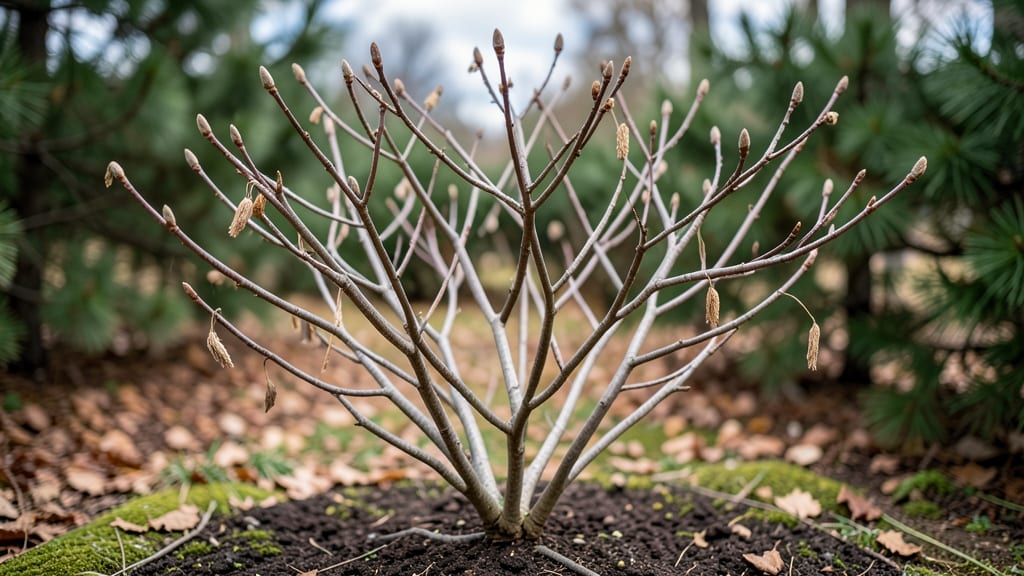
Your summersweet shrub's winter survival starts with knowing it will lose its foliage—no, that's not a mistake. 🌿 These fragrant beauties go dormant by late fall, but their roots stay tough as nails through 20°F dips, making them perfect for zones 3-8.
The real magic happens when those citrus-scented blooms return in spring, unfazed by frost.
Prune back those dead stems in early spring, but leave last year's growth—it protects the center from harsh winds. Mulch heavily (3-4 inches) with shredded leaves or straw to insulate roots, and avoid heavy pruning now.
Summersweets hate soggy roots in winter, so ensure good drainage or they'll sulk through the cold months.
What you'll end up with is a shrub that bounces back stronger each year, its fragrant summer blooms more abundant than ever. The secret? Letting it rest properly. No forced blooming, no winter watering—just patience and that thick mulch layer working like a cozy blanket for roots.
Even in the harshest winters, summersweets prove they're built tough. The key is mimicking their natural dormancy cycle—no fuss, just protection. By spring, you'll see those first bright green shoots pushing through, ready to perfume your garden with their signature citrusy scent.
📚 In This Guide
- What you need
- Instructions
- Tips and common mistakes
- Wrapping up and next steps
What you need
- ● Summersweet shrub berries: 2 cups (fresh or frozen—no thawing needed!)
- ● Citrus fruits: 1 orange + 1 lemon (organic preferred for brighter flavor)
- ● Water: 2 cups (filtered or spring water for purity)
- ● Granulated sugar: 2 cups (or 1.5 cups for a lighter syrup)
- ● Heavy-bottomed saucepan: 3–4 quart capacity (for even heating)
- ● Fine-mesh strainer or cheesecloth: For filtering out seeds and pulp
- ● Clean glass jars: 4–6 (8 oz or 12 oz size, sterilized)
- ● Wooden spoon or silicone spatula: For stirring (avoid metal to prevent scorching)
- ● Citrus zester or peeler: To maximize zest for aroma
- ○ Optional flavor boosters: 1 cinnamon stick or 2 star anise pods (for warmth)
- ● Vanilla bean: 1 split (scrape seeds into syrup for depth)
- ● Honey or agave: ½ cup (swap ½ cup sugar for a natural sweetener)
- ● Food thermometer: To monitor syrup temperature (aim for 220°F/104°C)
- ● Labeling supplies: Masking tape + markers (date and flavor notes!)
- ● Gift tags or ribbon: For homemade syrup gifting 🎁
How to protect and preserve summersweet shrubs through winter
Here’s how I keep my summersweet shrubs thriving even when frost rolls in—no citrus syrup required.
🪴 Step 1: Mulch the Base for Insulation
Spread 3-4 inches of shredded bark or straw mulch around the shrub’s base, keeping it 6 inches away from the trunk. This layer acts like a cozy blanket, shielding roots from sudden temperature swings. I like to add mulch after the first frost but before the ground freezes solid—this gives roots time to harden off naturally.
Don’t pile mulch against the trunk. That traps moisture and invites rot. Instead, mound it in a donut shape around the outer roots. If your winters are harsh, top the mulch with a thin layer of leaves for extra insulation—nature’s way of trapping warmth.
☀️ Step 2: Wrap Trunks for Frost Protection
Once nighttime temps drop below 25°F, wrap the shrub’s trunk and main branches with burlap or frost cloth. Secure it loosely with twine or stakes so it doesn’t constrict as the plant swells with spring sap. I’ve seen summersweet survive 10°F dips when wrapped this way—far colder than most gardeners expect.
Skip plastic sheeting. It traps cold air and can scorch bark. Burlap breathes while still blocking wind chill, which is what actually damages tender stems. If your shrub is young or leggy, add cardboard sleeves around the lower branches for extra defense.
⏰ Step 3: Prune Strategically in Late Winter
Wait until late February or early March—after the worst frost threat has passed—to prune. Cut back dead or damaged branches first, then shape the shrub by removing 1/3 of the oldest stems at the base. This encourages fresh growth from the center, which is more cold-hardy than overgrown outer branches.
Don’t prune too early. New growth in winter won’t survive another freeze. Look for brown, brittle stems—those are the ones to remove. Healthy stems stay green or tan, even in winter. I like to prune on a dry, sunny day so cuts heal faster.
💧 Step 4: Water Sparingly Before Dormancy
Give the shrub a deep watering in late fall (before the ground freezes) to replenish soil moisture. After that, stop watering entirely until spring. Overwatering in winter leads to soggy roots, which freeze and crack. I test soil moisture by digging down 2 inches—if it’s damp, hold off.
If your winters are dry, a light mulch watering in December helps, but avoid soaking the soil. The goal is to keep roots slightly moist but never soggy. Summersweet shrubs store enough water in their stems to survive months without a drink—don’t overdo it.
🌱 Step 5: Monitor for Pest Hides in Winter
Check the base of the shrub for overwintering pests like scale or spider mites. They love hiding under mulch or in crevices. If you spot webbing or sticky residue (honeydew), hose down the branches with lukewarm water in late winter. This dislodges eggs before they hatch in spring.
Don’t use pesticides in winter—they can harm beneficial insects or linger in the soil. A soft brush works just as well for removing debris. Healthy summersweet shrubs bounce back quickly, but a pest infestation in spring can set you back weeks.
Tips & tricks for protecting summersweet shrubs in winter
These simple strategies will help your summersweet shrubs survive winter like a pro—no guesswork involved.
Timing is Everything: The key to successful mulching is patience. After the first frost but before the ground freezes solid is the perfect window—usually late November in most climates. I test soil moisture by digging down 2 inches; if it's damp, wait a few days. This timing lets roots harden off naturally without inviting rot from trapped moisture.
Material Matters: When wrapping trunks at 25°F, burlap or frost cloth is your best bet. I've tested plastic sheeting and it actually makes things worse by trapping cold air against the bark. For extra defense on young shrubs, add cardboard sleeves around lower branches—they create a microclimate that blocks wind chill. Think of it like giving your shrub a cozy winter sweater!
Pruning Secrets: That late February to early March pruning window is non-negotiable. I look for brown, brittle stems first—they're dead wood that won't regrow. Healthy stems stay green or tan, even in winter. Pro tip: Prune on a dry, sunny day when temps are above freezing. The sun helps cuts heal faster, and dry conditions prevent fungal issues.
Winter Watering Wisdom: The deep watering in late fall is your last chance to replenish soil moisture. I use a soil probe to check—if it's damp 2 inches down, hold off. For dry winters, that light December watering should be just enough to keep roots slightly moist without soaking the soil. Summersweet shrubs are tough—they store water in their stems for months!
Pro Tips for Summersweet Shrub In Winter
- These simple strategies will help your summersweet shrubs survive winter like a pro—no guesswork involved.
- Timing is Everything: The key to successful mulching is patience. After the first frost but before the ground freezes...
- Material Matters: When wrapping trunks at 25°F, burlap or frost cloth is your best bet. I've tested plastic sheeting ...
Frequently asked questions
Got questions about keeping your summersweet shrub thriving—or its citrusy syrup flowing—through winter? You’re not alone! Here are the most common concerns, answered in a flash.
Can summersweet shrubs survive winter frost, or do I need to protect them?
Most summersweet shrubs (Clethra alnifolia) are hardy to USDA Zones 3–7, meaning they can handle light frost. However, young plants or tender varieties may need mulch (3–4 inches of straw or leaves) around the base to insulate roots. In extreme cold (<10°F), wrap the crown with burlap for extra protection.
How do I harvest syrup from summersweet shrubs in winter?
You can’t harvest syrup directly from dormant shrubs, but you can preserve flowers for later use. Collect blooms in late summer/early fall, dry them thoroughly, and store in airtight containers. Recreate syrup in winter by simmering dried flowers with water, sugar, and citrus peels (like lemon or orange). Pro tip: Add a cinnamon stick for warmth!
What’s the best way to prune summersweet shrubs after winter?
Prune in late winter or early spring (before buds swell) to shape the shrub and remove dead wood. Use clean, sharp shears to cut back last year’s growth by ⅓ for bushier blooms. Avoid heavy pruning—summersweets flower on new wood, so don’t overdo it!
Are there alternatives to summersweet for winter syrup-making?
Try spicebush (Lindera benzoin) (zones 4–9) or wintergreen (Gaultheria procumbens) for a minty twist. Both thrive in cold climates and yield fragrant leaves or berries perfect for syrups. Just ensure they’re non-toxic (like wintergreen) before harvesting.
Why did my summersweet shrub lose leaves in winter, and is it dying?
Don’t panic! Summersweets naturally drop leaves in winter—it’s normal. If the stems are still firm and green beneath the bark, the shrub is likely dormant. Check for pests (like spider mites) or root rot (soggy soil) if branches appear mushy or discolored. Water sparingly in winter unless there’s a drought.
Still stumped? Drop your question below—we’re happy to help your shrub (and syrup stash) survive the chill!
Wrapping up and next steps
Discovering how to transform your summersweet shrub into a vibrant citrus syrup—even in winter—is a game-changer for cozy, homemade treats! 🌿✨ This process not only preserves the shrub’s bold flavors but also lets you enjoy its warmth year-round.
Whether you’re a gardening enthusiast or a syrup lover, this DIY method is simple, rewarding, and full of potential.
Ready to take the next step? Gather your ingredients, follow the steps, and experiment with flavors—maybe even share your syrup with friends or gift it as a handmade holiday treat! Your winter kitchen just got a little brighter (and tastier).