
Shrubs
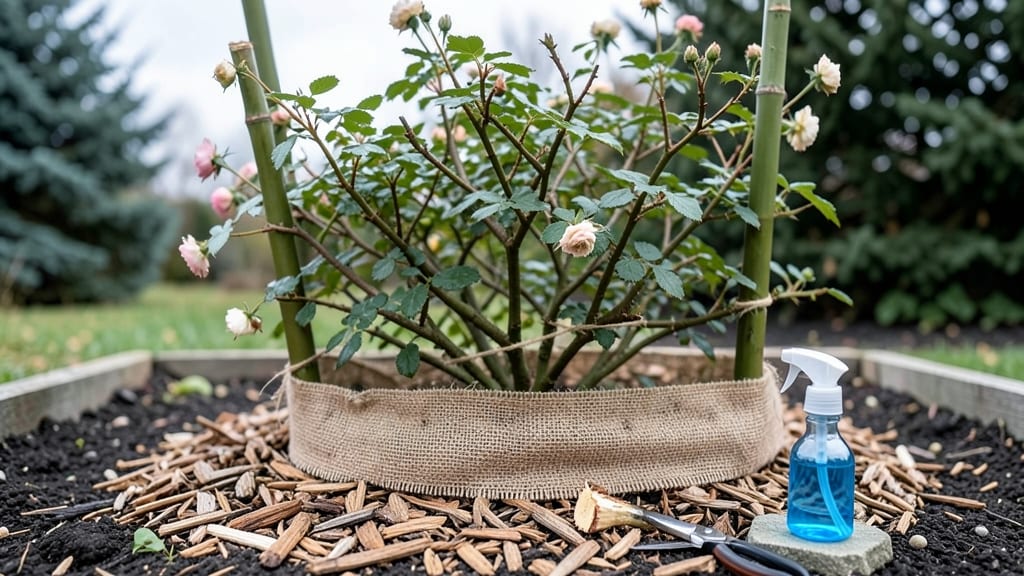
Winterizing shrub roses isn't just about surviving the cold—it's about setting them up for a bigger, bushier spring. 🌿 After my first winter prep disaster (yes, I killed a perfectly healthy shrub), I learned the right timing and technique make all the difference.
The key is balancing protection with airflow to prevent rot and pests lurking in damp mulch piles.
You'll need burlap or frost cloth, pruning shears, and 4-6 inches of organic mulch (straw or shredded leaves work best). For zones 5-7, focus on insulating the base and wrapping canes loosely—tight wraps trap moisture.
In zones 8-10, prune lightly and mulch heavily to protect roots from freeze-thaw cycles. The goal is to mimic nature's snow blanket without smothering the plant.
By late November, your shrubs will look dormant but feel bulletproof. New growth emerges 2-3 weeks earlier than unprepared roses, and the canes develop thicker, more disease-resistant wood. The secret? Pruning now removes weak growth that would otherwise compete with spring blooms, while mulch insulates roots from temperature swings.
This method works for Knock Out roses, Drift roses, and other modern shrubs—no fancy equipment needed. Just remember: less is more with winter wraps, and always remove them by early March to prevent overheating. Your spring garden will thank you with lush, vigorous blooms.
📚 In This Guide
- What you need
- Instructions
- Tips and common mistakes
- Wrapping up and next steps
What you need
- ● Pruning shears or loppers – Sharp, clean tools (bypass pruners recommended) to trim dead or weak growth. Size: 6-8 inch blades for precision.
- ● Garden gloves – Heavy-duty, waterproof gloves (e.g., leather or nitrile-coated) to protect hands from thorns and debris. Quantity: 1 pair.
- ○ Compost or well-aged manure – 2-3 gallons to enrich the soil before mulching. Optional: Mix with bone meal for extra phosphorus.
- ● Organic mulch – 4-6 inches of straw, shredded leaves, or pine needles. Avoid: Fresh wood chips (they can mat and suffocate roots).
- ● Burlap or frost cloth – 3-4 feet wide, enough to wrap the entire shrub loosely. Tip: Secure with twine or stakes.
- ● Garden twine or stakes – For securing wraps or supporting canes if needed. Quantity: 2-3 stakes per shrub.
- ● Hose with nozzle – To thoroughly water the base before mulching (deep soak, not just surface watering).
- ● Anti-desiccant spray (e.g., Wilt-Pruf) – Apply to canes before wrapping to prevent moisture loss.
- ● Rose-specific fertilizer – A slow-release formula (e.g., 10-10-10) to nourish roots during dormancy.
- ● Reflective mulch – Aluminum foil or bubble wrap under mulch to insulate roots in extreme cold.
- ● Plant tags or labels – To mark newly planted shrubs for easy identification in spring.
Step-by-Step instructions for winterizing shrub roses
Here's the method I rely on to protect your shrub roses through winter while setting them up for explosive spring growth.
🪴 Step 1: Prune for Winter Structure
Start by removing any dead, diseased, or crossing branches with clean, sharp pruners. I always cut just above an outward-facing bud at a 45-degree angle—this ensures water runs off and new growth emerges outward. For shrub roses, you can also thin out crowded canes to improve airflow, which prevents fungal issues during dormancy.
Look for canes that are thinner than a pencil or show signs of black spot—these need to go completely. Never leave stubs; an improper cut invites rot. After pruning, step back and visualize the plant's shape—you want an open vase-like form that lets light and air circulate freely through the center.
✂️ Step 2: Apply a Deep Mulch Layer
Spread a 3-4 inch thick layer of organic mulch—like shredded bark or straw—around the base of the plant, keeping it 6 inches away from the stem. This insulates roots from freezing temperatures while allowing moisture to penetrate. I always use what I have on hand (even fallen leaves work), but avoid fresh grass clippings—they mat down and trap too much moisture.
The key here is patience. Don't pile mulch against the stem itself—that can cause rot. Instead, create a donut shape around the plant. For extra protection in colder climates, add a 6-8 inch layer of straw over the mulch, especially if you're expecting below 10°F temperatures.
🌿 Step 3: Wrap Canes for Frost Protection
For shrub roses in zones with harsh winters, wrap the canes loosely with burlap or horticultural fleece after pruning. Start at the base and spiral upward, securing with twine or plant ties—but don't wrap too tightly. You want to create a breathable barrier that protects against freezing winds without suffocating the plant.
This step is especially important if your roses are young or have thin canes. I like to leave the top third of the plant uncovered so it can still receive some light during mild winter days. If you're in a windy area, add a cardboard cylinder around the plant before wrapping—it blocks harsh winds that can dry out the canes.
☀️ Step 4: Protect Against Late Winter Thaws
After the ground freezes, add a 4-6 inch layer of evergreen boughs over the mulch. The branches create a natural snow catcher, and their needles release moisture slowly as they decompose. This extra layer prevents the soil from thawing and refreezing, which can damage roots.
Check your roses in early spring—usually when daytime temperatures consistently stay above 40°F. Remove the evergreen boughs first, then the burlap wrap, and finally the straw. Do this gradually over a week to avoid shocking the plant. You'll know you've done it right when you see fresh, green buds starting to swell in early spring.
Tips & tricks for perfect winterizing shrub roses
Here's what I've learned after years of trial and error with my own shrub roses—these details make all the difference for survival and spring rebirth.
Pruning Precision: When you're cutting those canes in Step 1, make sure your pruners are sharp—dull blades crush stems, which invites disease. I always sterilize my pruners with rubbing alcohol between cuts to prevent spreading any hidden pathogens. The 45-degree angle isn't just about aesthetics; it creates a natural water runoff path that prevents rot during winter thaws.
Mulch Layer Strategy: The 3-4 inch mulch layer in Step 2 should feel like a cozy blanket—not a suffocating quilt. I test its thickness by holding my hand above it: if I can't fit my palm between the mulch and soil, it's too thick. For extra insulation in extreme cold (below 10°F), I double up with that 6-8 inch straw layer—it's like adding a winter coat to your roses' roots.
Frost Protection Hack: In Step 3, if you're using burlap or fleece, don't wrap it like a mummy—leave that top third uncovered. I've seen roses smothered in tight wraps develop mold by spring. Instead, think "breathable burrito." For windy areas, that cardboard cylinder trick works wonders—it's like giving your roses a windshield against winter's harsh gusts.
Spring Unwrapping Timeline: When checking for spring readiness in Step 4, don't rush! I wait until those 40°F daytime temps are consistent for a full week before unwrapping. I remove the evergreen boughs first (they're decomposing anyway), then the fleece, and finally the straw. This gradual exposure prevents shock—like waking up from hibernation in stages rather than all at once.
Pro Tips for Winterizing Shrub Roses
- Here's what I've learned after years of trial and error with my own shrub roses—these details make all the difference...
- Pruning Precision: When you're cutting those canes in Step 1, make sure your pruners are sharp—dull blades crush stem...
- Mulch Layer Strategy: The 3-4 inch mulch layer in Step 2 should feel like a cozy blanket—not a suffocating quilt. I t...
Frequently asked questions
Got questions about winterizing your shrub roses? You’re not alone! Here are answers to the most common concerns—so you can prep with confidence and keep those canes thriving next season.
When is the best time to winterize shrub roses?
Timing matters! Aim to winterize after the first hard frost (when temperatures dip below 25°F/-4°C) but before heavy snow or prolonged sub-zero temps. This ensures your roses are dormant but still protected from sudden cold snaps. Check your local frost dates for precision!
Do I need to prune shrub roses before winter?
Yes, but lightly! Remove dead, diseased, or weak canes first, then trim back healthy growth to about 12–18 inches from the ground. Avoid heavy pruning—shrub roses bloom on old wood, and you’ll want next year’s buds to stay safe under mulch. Pro tip: Use clean, sharp shears to prevent damage.
What if I forget to winterize—will my shrub roses survive?
Many shrub roses are hardy (especially repeat-bloomers like ‘Knock Out’ or ‘Dr. Huey’), but they’ll fare better with protection. If you skip winterizing, expect more dieback or stunted growth in spring. A last-minute layer of mulch or burlap wrap can still help—but plan ahead for the best results!
Can I use regular mulch, or do I need special rose mulch?
Regular mulch (like straw, pine needles, or shredded leaves) works great! Avoid fresh wood chips (they can draw moisture away) or mulch with high nitrogen (like grass clippings). Aim for 4–6 inches of mulch, piling it around (not against) the canes to prevent rot. Bonus: Add a handful of compost for extra nutrients.
How do I know if my winterized shrub roses are protected enough?
Look for these signs of success:
- Canes are covered but not suffocated (mulch should allow airflow).
- No ice or snow is compacted against the stems (gentle brushing helps).
- Mulch stays dry and fluffy—soggy mulch invites rot.
What’s the fastest way to fix a rose bush that’s already suffered frost damage?
Act fast!
- Prune out all blackened or mushy canes with sterilized shears.
- Apply a fungicide (like neem oil) to prevent disease from open wounds.
- Top-dress with compost and water deeply to help roots recover.
- Monitor for new growth in spring—healthy canes will sprout from the base!
Wrapping up and next steps
Winterizing your shrub roses is the secret weapon for ensuring they burst back to life next spring with vibrant blooms and robust canes.
By following these steps—pruning, mulching, protecting from frost, and monitoring moisture—you’re not just preparing for winter; you’re setting the stage for a stronger, healthier garden in the seasons ahead. 🌱❄️
Now that you’re armed with the know-how, roll up your sleeves and give your shrub roses the care they deserve. Ready to tackle the task? Grab your tools, pick a dry day, and start winterizing—your future blooms will thank you!