
Flowers
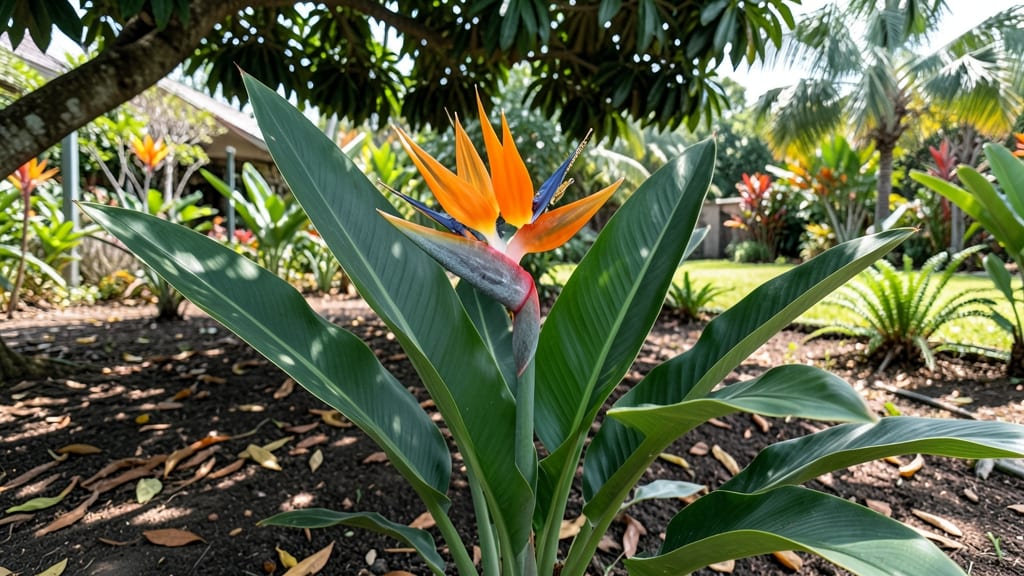
Growing banana shrub flowers means fragrant white blooms that fill your yard with a tropical scent—without the fuss of constant pruning. 🌿 I've had mine thriving for years with just basic care, and the secret lies in understanding its natural habits rather than fighting them.
This evergreen shrub loves partial shade and rich, well-draining soil—think of it as a low-maintenance luxury plant. Once established, it handles drought surprisingly well, though I still check the soil every few weeks to keep it happy.
The blooms arrive in late winter or early spring, lasting for weeks with minimal effort. You'll end up with a glossy, dark-green shrub that smells like magnolias and attracts pollinators all season. The flowers even have a subtle banana-like fragrance when crushed, which is where the common name comes from.
It's the kind of plant that makes neighbors ask, "What is that incredible smell?" Works beautifully in borders, as a foundation plant, or even in large containers. The best part? It rarely needs pruning beyond occasional shaping—just let it grow naturally for that lush, tropical look.
📚 In This Guide
- What you need
- Instructions
- Tips and common mistakes
- Wrapping up and next steps
What you need
- ● Banana Shrub Flower Plant: A healthy Michelia figo plant (nursery-grown, 1–3 years old). Look for one with vibrant green leaves and no signs of pests.
- ○ Optional: A pre-blooming plant (if you want immediate flowers!).
- ● Potting Mix or Soil: For Containers: Well-draining peat-based or coconut coir mix with perlite/vermiculite (ratio: 60% potting soil, 20% perlite, 20% compost). Quantity: Enough to fill your pot (1–2 gallons per small plant).
- ● For Outdoor Planting: Loamy, acidic soil (pH 5.5–6.5) amended with 3–4 inches of organic compost or pine bark fines (improves drainage).
- ● Container (if indoor/greenhouse): Terracotta or fabric pot (12–18 inches in diameter) with drainage holes. Pro tip: Fabric pots prevent root circling! 🌡️
- ● Garden Tools: Trowel or small shovel (for transplanting).
- ● Pruning shears (sterilized with rubbing alcohol).
- ● Gloves (to protect from sap and soil).
- ● Mulch: 2–3 inches of pine bark or shredded leaves (retains moisture and mimics tropical conditions).
- ● Fertilizer: Slow-release fertilizer: 14-14-14 NPK (apply at planting and mid-summer).
- ○ Optional: Fish emulsion or worm castings (for a natural boost).
- ● Watering Can or Hose: With a gentle spray nozzle (avoid soggy soil).
- ● Sunlight Access: Outdoor: Partial shade to dappled sunlight (4–6 hours/day).
- ○ Indoor: Bright, indirect light (e.g., near an east-facing window). Optional: Grow lights for 12–14 hours/day. ✨
- ● Humidity Tray (Indoor Only): A shallow tray filled with pebbles and water (place pot on top to increase humidity).
- ● Climate Check: Banana shrubs thrive in USDA Zones 9–11. For cooler climates, grow in containers and overwinter indoors. 🌡️
- ○ Soil Test Kit: Optional but helpful—ensure pH is acidic (test kits cost ~$10).
- ● Companion Plants: Pair with calatheas, ferns, or orchids for a lush, tropical vibe!
Step-by-step instructions for growing banana shrub flowers
Here's how to cultivate these vibrant blooms with minimal fuss—just follow these simple steps.
🌱 Step 1: Choose the Right Location and Soil
Banana shrubs thrive in full sun (at least 6 hours daily) but tolerate partial shade in hotter climates. I always pick a spot with morning sun and afternoon shade to prevent leaf scorch. The soil should drain well—amend heavy clay with 2-3 inches of compost to improve aeration.
These shrubs hate soggy roots, so avoid low-lying areas where water pools. If your soil is sandy, mix in 1 part peat moss to retain moisture. Test the pH—banana shrubs prefer 6.0-7.0. You'll know the soil is right when it crumbles easily when squeezed but holds moisture without dripping.
☀️ Step 2: Plant at the Correct Depth and Spacing
Dig a hole twice as wide as the root ball but only as deep as the container's bottom. This prevents burying the stem too deep, which can cause rot. Gently loosen the roots if they're circling the pot before placing the shrub in the hole. Space plants 4-6 feet apart—crowding leads to weak stems and fewer blooms.
Fill the hole with soil, pressing lightly around the edges to eliminate air pockets. Water deeply right after planting to settle the soil. The top of the root ball should sit 1 inch below ground level—this keeps the plant stable without smothering it. Mulch with 2-3 inches of organic mulch (like wood chips) to retain moisture and suppress weeds.
💧 Step 3: Water Consistently Without Overdoing It
Water deeply once a week during the first growing season, allowing the top 2 inches of soil to dry out between waterings. Banana shrubs are drought-tolerant once established, but young plants need steady moisture. You'll know it's time to water when the soil feels dry 1-2 inches down—stick your finger in to check.
Overwatering is the biggest mistake—yellowing leaves or mushy stems mean you're drowning the roots. If the soil stays wet for more than 24 hours, reduce watering. In summer, you might need biweekly watering if there's no rain, but always let the soil dry slightly between sessions.
✂️ Step 4: Prune Lightly to Encourage Blooms
Banana shrubs bloom best with minimal pruning—just remove dead or crossing branches in early spring. Cut back any leggy growth by one-third to promote bushier, fuller plants. Use clean, sharp pruners to avoid tearing the bark, and make cuts just above a leaf node.
Deadhead spent blooms throughout the season to encourage more flowers, but don’t overdo it—these shrubs bloom prolifically on old wood. If a branch looks diseased (black spots, wilting), prune it immediately and sterilize your tools with rubbing alcohol. The goal is to keep the plant tidy without stressing it.
🌿 Step 5: Fertilize Sparingly for Long-Lasting Blooms
Feed banana shrubs once in early spring with a balanced 10-10-10 fertilizer (follow package rates). Over-fertilizing leads to lush foliage but fewer flowers. I mix the fertilizer into the top 2 inches of soil and water it in thoroughly. Avoid high-nitrogen fertilizers—they encourage leaf growth at the expense of blooms.
In summer, switch to a low-nitrogen, high-phosphorus fertilizer (like 5-10-10) to support flowering. Water before applying fertilizer to prevent root burn. You’ll see the difference in 2-3 weeks—healthier stems and more vibrant blooms. Stop fertilizing in fall to let the plant rest before winter.
Tips & tricks for perfect banana shrub flower cultivation
These little-known strategies will help you coax vibrant blooms from your banana shrubs with less effort and more success.
Sunlight Strategy: While banana shrubs love full sun, I've found the sweet spot is actually morning sun with afternoon shade—especially in hotter climates. This prevents leaf scorch while still giving them those crucial 6 hours of sunlight. If you're in a particularly sunny area, consider using shade cloth during peak afternoon hours when temperatures exceed 90°F.
Soil Preparation: The secret to drainage isn't just about the soil mix—it's about the technique. When amending heavy clay with 2-3 inches of compost, work it into the top 12 inches of soil, not just the surface. This creates proper drainage channels that prevent waterlogging. For sandy soils, mix in that 1 part peat moss right into the planting hole before adding your shrub.
Planting Depth: That 1-inch below ground level for the root ball is non-negotiable, but here's what nobody tells you: the top of the root ball should sit exactly at soil level after settling. After planting, press the soil gently around the edges and water deeply—this helps the soil settle properly. I always check this with my finger after watering to ensure it's not too deep or too shallow.
Watering Wisdom: The "dry 1-2 inches down" test is perfect, but I've learned to adjust for different seasons. In summer heat, I water when the top inch is dry, while in cooler months, I wait for the full 2 inches. Also, always water at the base of the plant rather than overhead—this prevents fungal issues and keeps those gorgeous blooms clean and vibrant.
Pro Tips for Banana Shrub Flower
- These little-known strategies will help you coax vibrant blooms from your banana shrubs with less effort and more suc...
- Sunlight Strategy: While banana shrubs love full sun, I've found the sweet spot is actually morning sun with afternoo...
- Soil Preparation: The secret to drainage isn't just about the soil mix—it's about the technique. When amending heavy ...
Frequently asked questions
Got questions about growing banana shrub flowers (Michelia figo) and keeping those stunning blooms coming? Here are some answers to the most common queries from gardeners just like you!
How long does it take for a banana shrub to flower after planting?
A healthy banana shrub typically produces its first fragrant white flowers within 2–3 years of planting, though some may bloom sooner if given ideal conditions. Patience pays off—once established, these shrubs reward you with year-round blooms in warm climates or seasonal blooms in cooler zones.
Can banana shrubs survive frost, or do they need winter protection?
While banana shrubs thrive in USDA Zones 9–11, they’re sensitive to frost (<30°F). In colder climates, plant them in containers for winter relocation or mulch heavily and wrap the trunk with burlap. If frost hits, expect leaf drop—but the shrub often recovers and blooms again in spring!
Why isn’t my banana shrub flowering? Troubleshooting tips.
No blooms? Check these common culprits:
- Insufficient sunlight: Needs 6+ hours of direct sun daily.
- Over-fertilizing: Too much nitrogen = leafy growth, no flowers. Use a balanced 10-10-10 fertilizer lightly in spring.
- Pruning at the wrong time: Avoid heavy cuts after summer—prune right after flowering to encourage new blooms.
- Stress from transplant shock: Give it 1–2 years to adjust before expecting flowers.
Are there any alternatives to banana shrubs with similar fragrant flowers?
If you love the creamy, banana-scented blooms but want options, try these:
- Michelia alba: A close cousin with larger, highly fragrant flowers.
- Gardenia jasminoides: Glossy leaves + intoxicating jasmine-like scent (but needs more acid soil).
- Plumeria rubra: Tropical beauty with sweet fragrance (hardy to Zone 10).
Pro Tip: How can I encourage more blooms on my banana shrub?
Boost flower production with these easy tweaks:
- Feed lightly: Use a low-nitrogen, high-phosphorus fertilizer (like 5-10-5) in early spring.
- Prune strategically: Trim leggy stems right after blooming to shape and stimulate new growth.
- Water wisely: Keep soil consistently moist but not soggy—drought stress reduces blooms.
- Mulch well: A 2–3 inch layer of organic mulch retains moisture and regulates root temperature.
Wrapping up and next steps
Growing a banana shrub flower is a rewarding way to add vibrant, year-round color to your garden with minimal fuss! 🌸 These hardy plants thrive with just a little sunlight, well-drained soil, and occasional pruning—making them perfect for both beginners and seasoned gardeners.
Whether you’re drawn to their striking blooms or their low-maintenance charm, your effort will be met with a stunning, long-lasting display.
Ready to transform your outdoor space? Start small—plant one or two banana shrubs today and watch your garden bloom with effortless beauty! For even more inspiration, explore companion plants that pair well with their bold foliage and fragrant flowers.