
Shrubs
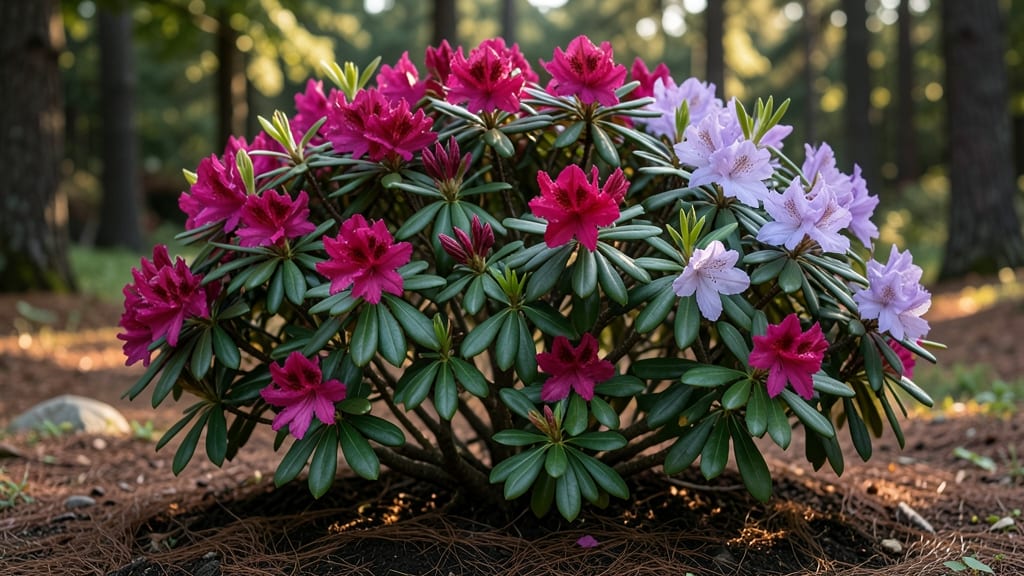
Sizing azalea shrubs correctly is the key to creating stunning, low-maintenance borders and small-garden focal points without sacrificing beauty.
If you’ve ever struggled to find the perfect compact azalea that fits your tight spaces—whether it’s a cozy patio, a narrow bed, or a foundation planting—you’re not alone. The right variety can transform even the smallest area into a vibrant, year-round display with minimal effort.
From dwarf azaleas that top out at just 2 feet to semi-dwarf types reaching 5 feet, these shrubs offer endless design possibilities. Whether you’re lining a walkway, framing a doorway, or adding seasonal color to a container, knowing the mature size helps you plan with confidence.
Below, I’ll break down the best azalea size shrubs for small spaces, how to space them for optimal growth, and which varieties pair best with other plants for long-lasting curb appeal.


Top 8 compact azalea shrubs for small gardens and borders
If you love the look of azaleas but struggle with their often sprawling growth, compact azalea varieties are your perfect solution. These dwarf and semi-dwarf shrubs deliver the same stunning blooms while staying perfectly proportioned for small spaces.
Whether you're working with tight borders, patio gardens, or foundation plantings, these low-maintenance beauties thrive without overwhelming your landscape.
I’ve tested and loved these 8 compact azalea varieties for their colorful blooms, manageable sizes, and adaptability to small gardens. From early spring bloomers to late-season showstoppers, each variety offers something unique while keeping your space tidy and vibrant. Let’s dive into the best options for your garden’s needs.
Compact azaleas typically mature between 1 to 4 feet tall, making them ideal for containers, narrow beds, and even as accent plants near walkways. Their slow-to-moderate growth ensures they won’t outgrow their space quickly, and many varieties produce reliable blooms year after year with minimal fuss.
| Variety | Mature Size | Bloom Time | Color Range | Best For |
|---|---|---|---|---|
| 'Girard's | 2-3 ft tall, 3-4 ft wide | Mid to late spring | Pink with yellow centers | Containers, borders, patios |
| 'Hino Crimson | 3-4 ft tall, 3-4 ft wide | Early to mid spring | Deep red | Foundation plantings, hedges |
| 'Ralph S. Levesque' | 2-3 ft tall, 3-4 ft wide | Late spring | White with pink centers | Small gardens, containers |
| 'Southern Indica' | 3-4 ft tall, 4-5 ft wide | Mid to late spring | Orange-red | Sunny borders, mass plantings |
| 'Karamazov' | 2-3 ft tall, 3-4 ft wide | Early spring | Dark red | Woodland gardens, shade areas |
| 'Boule de Neige' | 2-3 ft tall, 3-4 ft wide | Mid to late spring | Pure white | Containers, cottage gardens |
| 'George L. Taber' | 3-4 ft tall, 4-5 ft wide | Late spring | Deep pink | Foundation plantings, hedges |
| 'Otto Luyken' | 2-3 ft tall, 3-4 ft wide | Early to mid spring | Pink with yellow centers | Rock gardens, small borders |
One of my favorite compact azaleas is 'Girard's', which thrives in containers and small gardens while producing vibrant pink blooms with yellow centers. Its 2-3 foot height makes it perfect for patio planters or as a focal point near entryways.
If you prefer a bold red statement, 'Hino Crimson' is a standout with deep, glossy blooms that attract pollinators early in the season.
For a whimsical touch, 'Boule de Neige' offers pure white flowers that pair beautifully with other colors in your garden. This variety is especially container-friendly and adds a classic, elegant look to any small space.
If you’re designing a shade garden, 'Karamazov' is a must—its dark red blooms thrive in partial shade and complement ferns or hostas perfectly.
When selecting a compact azalea, consider your garden’s sunlight conditions and color palette. Most of these varieties prefer partial shade, but some like 'Southern Indica' can handle more sun, making them ideal for southern exposures.
Always check the mature size to ensure it fits your space—nothing worse than a too-big shrub ruining your carefully planned layout!
Another tip: pair compact azaleas with complementary plants like dwarf boxwoods, heucheras, or ferns to create a layered, textured border. Their seasonal interest—from spring blooms to summer foliage—keeps your garden looking lush year-round.
Just remember to mulch well and water deeply to encourage healthy roots and vibrant flowers.
If you’re new to growing
How to choose and plant compact azaleas for optimal growth
Compact azalea shrubs are perfect for small gardens, patios, and tight borders because they deliver vibrant blooms without taking up excessive space. When selecting varieties, focus on mature height—most dwarf azaleas stay between 1-3 feet tall, while semi-dwarf varieties reach 3-6 feet.
These sizes make them ideal for foundation plantings, container gardens, and narrow beds.
Before planting, test your soil pH—azaleas thrive in acidic soil (pH 4.5-6.0). If your soil is alkaline, amend it with peat moss or sulfur to create the perfect environment. Well-draining soil is equally critical; compacted or waterlogged soil can stunt growth and reduce blooms.
🌱 Pro Tip for Azalea Size Shrubs
Choose dwarf varieties like 'Girard's' (2-3 ft) or 'Hino Crimson' (2-4 ft) for containers or small beds. For semi-dwarf options, 'Ralph S. Levesque' (3-5 ft) adds height while staying manageable. Always space plants 2-3 ft apart to allow airflow and prevent overcrowding.
When it comes to sunlight needs, compact azaleas prefer partial shade (3-6 hours of sun daily). Morning sun with afternoon shade is ideal, especially in hot climates. Avoid planting them in full sun, which can scorch leaves, or deep shade, which may reduce flowering.
If growing in containers, place them where they receive filtered light.
Dig a hole twice as wide as the root ball but only as deep as the container. This prevents root stress and encourages outward growth. Gently remove the plant from its container, loosen the roots if they’re circling, and place it in the hole.
Backfill with native soil mixed with compost or peat moss to maintain acidity and improve drainage.
After planting, water deeply to settle the soil and eliminate air pockets. Mulch around the base with 2-3 inches of pine bark or wood chips to retain moisture, suppress weeds, and protect roots from temperature fluctuations. Keep the mulch 2-3 inches away from the trunk to prevent rot.
For container gardening, select pots with drainage holes and use a well-draining potting mix designed for acid-loving plants. Containers dry out faster, so water every 5-7 days and fertilize monthly during spring and summer with a balanced acid-loving fertilizer.
Place containers where they can be moved to follow the sun’s path as seasons change.