
Shrubs
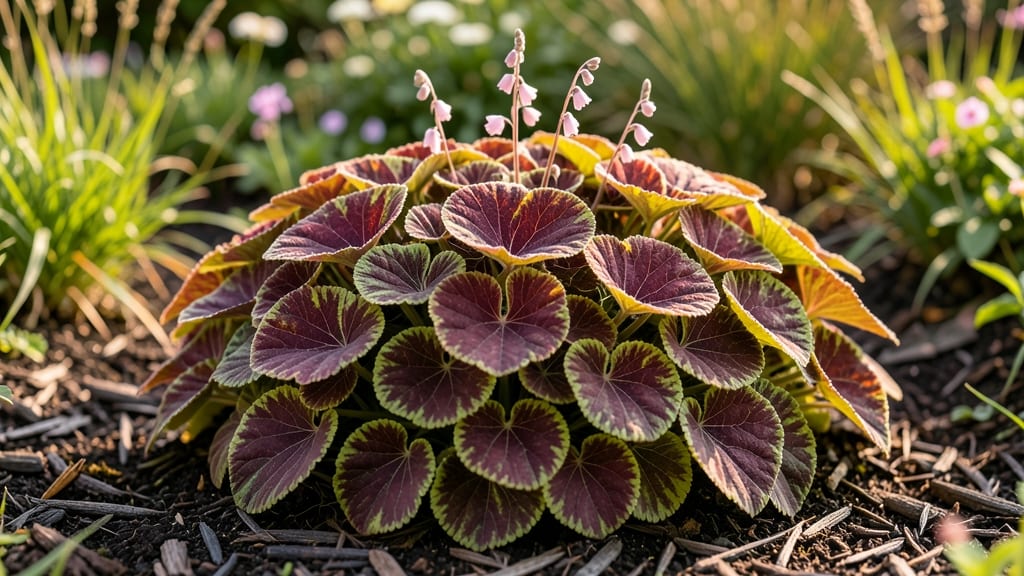
Your garden deserves drama that lasts all year—small colorful shrubs deliver the perfect punch without the overwhelming size. 🌿 I’ve transformed dull corners into vibrant canvases using these underrated stars, and the results? Stunning contrasts that turn heads in every season.
These aren’t just pretty faces—they’re multi-season performers. Think deep burgundy foliage in winter, bright pink blooms in spring, and golden autumn leaves that catch the light. They thrive in borders, containers, or as focal points, fitting seamlessly into cottage gardens or sleek modern designs.
Pair them with silver foliage for a striking contrast or purple blooms to deepen the drama. The best part? They’re low-maintenance yet high-impact—no fuss, just year-round color that makes your garden the envy of the neighborhood.
Whether you’re filling gaps, adding height, or creating a pollinator magnet, these shrubs are the secret weapon for bold, effortless beauty. Let’s dive into the best picks and how to style them like a pro!
📚 In This Guide
- What you need
- Instructions
- Tips and common mistakes
- Wrapping up and next steps
What you need
- ● Small colorful shrubs: Choose 3–5 varieties (e.g., Hydrangea, Abelia, Dwarf Boxwood, or Cotoneaster) based on your climate zone and sunlight exposure. Aim for 1–3 plants per square foot for a lush look.
- ● High-quality potting soil: 2–3 bags (1–2 cubic feet each) of well-draining, organic soil mix (e.g., Miracle-Gro Garden Soil or Espoma Organic Potting Mix).
- ● Compost or fertilizer: 1 bag of balanced, slow-release fertilizer (10-10-10 or 20-20-20) or organic options like fish emulsion or bone meal.
- ● Mulch: 1–2 bags of organic mulch (e.g., pine bark or shredded cedar) to retain moisture and suppress weeds.
- ● Garden trowel or hand shovel – For digging small holes (6–12 inches deep).
- ● Garden gloves – A pair of durable, breathable gloves (e.g., Fellex or Warrior brand) to protect your hands.
- ● Watering can or hose with a gentle spray nozzle – A 1–2 gallon capacity can works well for precise watering.
- ● Pruning shears – Bypass pruners (e.g., Felco or Gonicc) for clean cuts.
- ● Measuring tape or ruler – To ensure proper spacing between plants.
- ● Slow-release watering system: Drip irrigation or soaker hoses to keep shrubs hydrated with minimal effort.
- ● Plant supports: Small stakes or cage supports for shrubs that may need structure (e.g., Weigela or Spirea).
- ● Color-coordinated garden flags: To mark varieties and track care needs.
- ● Seasonal blooms: A few annual flowers (e.g., pansies or violas) to fill gaps and boost color.
How to select and plant small colourful shrubs for year-round impact
Transform your garden into a vibrant canvas with these bold, low-maintenance shrubs that deliver drama in every season.
🌱 Step 1: Choose Shrubs for Seasonal Colour Contrasts
Select three to four shrubs that offer complementary colours and bloom times. I always include at least one evergreen for structure—like Ilex crenata 'Sky Pencil'—paired with a winter-flowering variety such as Hamamelis 'Sunburst' for golden-yellow blooms in late winter. Add a spring bloomer like Pieris japonica 'Little Heath' for pink-white flowers, and a summer star such as Hydrangea 'Endless Summer' for lavender-blue blooms.
Consider mature height: most small shrubs top out between 3-6 feet, so group them by size. Place taller varieties at the back of borders, mid-height shrubs in the middle, and compact types like Dwarf Fothergilla 'Mount Airy' at the front. This creates depth and visual interest from every angle. Check each plant's light requirements—some, like Abelia 'Kaleidoscope', thrive in full sun, while others, like Pieris, prefer partial shade.
🪴 Step 2: Prepare the Planting Site for Optimal Growth
Dig holes that are twice as wide as the root ball but only as deep. This encourages roots to spread outward rather than settling into a tight pocket. Amend the native soil with 2-3 inches of compost mixed into the bottom of each hole—this improves drainage and provides nutrients without overwhelming young roots. For clay-heavy soils, add a handful of perlite to each hole to prevent compaction.
Water the holes deeply 24 hours before planting. This pre-moistening helps roots establish contact with the soil more quickly. If planting in hot weather, water again just before placing the shrubs in their holes. I always plant in early spring or fall to avoid stressing plants during extreme temperatures. Space shrubs according to their mature width—typically 3-5 feet apart—to allow for air circulation and future growth.
☀️ Step 3: Plant and Mulch for Long-Term Success
Remove the shrub from its container and gently loosen the roots if they're circling. Place the plant in the hole so the top of the root ball sits 1 inch above the surrounding soil level—settling will occur over time, so don't bury the stem too deeply. Backfill with the amended soil, pressing lightly around the edges to eliminate air pockets. Water deeply to settle the soil and encourage root contact.
Apply a 2-3 inch layer of mulch around each shrub, keeping it 2 inches away from the stem to prevent rot. Use organic mulch like shredded bark or pine needles, which also improves soil structure as it breaks down. Water again after mulching to help the material settle and begin insulating the roots. This layer conserves moisture, suppresses weeds, and protects roots from temperature fluctuations—critical for year-round colour.
✂️ Step 4: Prune and Maintain for Seasonal Drama
Prune immediately after planting to remove any damaged or crossing branches. For most small shrubs, I use clean, sharp bypass pruners to make cuts just above a leaf node or bud. Shape lightly to encourage a natural form, but avoid heavy pruning in the first year—this can stress new plants. After the first flowering season, prune back by one-third in late winter or early spring to promote bushier growth and more abundant blooms.
Fertilize lightly in early spring with a balanced, slow-release fertilizer (10-10-10 ratio). Over-fertilizing leads to excessive leaf growth at the expense of flowers, which defeats the purpose of planting for colour. Water deeply once a week during the first growing season, then adjust based on rainfall—most small shrubs establish roots within 2-3 years and become drought-tolerant. Monitor for pests like spider mites or aphids, but most colourful shrubs are naturally resistant when planted in the right conditions.
Tips & tricks for perfect small colourful shrubs
These game-changing strategies will help you create a stunning, low-maintenance garden that thrives year-round with vibrant color and texture.
Seasonal Layering Strategy: When selecting your shrubs in Step 1, think of each plant as a "color chapter" in your garden's story. For example, pair the Ilex crenata 'Sky Pencil' (evergreen structure) with Hamamelis 'Sunburst' (winter gold) and Pieris japonica 'Little Heath' (spring pink). This creates visual interest in every season while maintaining balance. I like to sketch a simple color wheel on paper first to ensure complementary shades that won't clash—think of it as your garden's palette!
Soil Preparation Secret: In Step 2, that 24-hour pre-watering is absolutely crucial—it's the difference between roots that cling to the soil immediately versus struggling to make contact. For heavy clay soils, I also recommend adding a handful of sand to each hole alongside the perlite. This creates tiny air pockets that prevent compaction and help roots establish faster. Pro tip: Test your soil's drainage by filling a hole with water and timing how long it takes to drain—if it's still standing after 30 minutes, you need more amendments.
Mulching Mastery: The 2-3 inch mulch layer in Step 3 isn't just about looks—it's your shrubs' winter blanket and summer air conditioner. I prefer cedar mulch because it naturally repels pests while breaking down slowly. The key is maintaining that 2-inch clearance from the stem to prevent rot. For extra insurance, I sprinkle a thin layer of gravel around the base after mulching to create a moisture barrier that keeps stems dry.
Pruning Precision: When you're pruning back by one-third in Step 4, focus on removing branches that cross or grow inward. These "hidden" branches create weak points and compete for nutrients. I always prune just above a leaf node where new growth will emerge—this ensures bushier plants. For flowering shrubs, cut back to just above a bud that faces outward to encourage blooms on the exterior where you can see them best.
Pro Tips for Small Colourful Shrubs
- These game-changing strategies will help you create a stunning, low-maintenance garden that thrives year-round with vibrant color and texture.
- Seasonal Layering Strategy: When selecting your shrubs in Step 1, think of each plant as a "color chapter" in your garden's story.
- Soil Preparation Secret: In Step 2, that 24-hour pre-watering is absolutely crucial—it's the difference between roots that cling to the soil immediately versus struggling to make contact.
Frequently asked questions
Got questions about adding small colorful shrubs to your garden? You’re not alone! Here are some of the most common queries—plus quick, practical answers to help you get started with confidence.
What’s the best time of year to plant small colorful shrubs?
For most shrubs, early spring or fall are ideal—when soil is workable but not scorching hot. This gives roots time to establish before extreme weather. Evergreens can handle cooler fall planting, while deciduous varieties thrive in spring. Avoid planting in summer heat or winter frost!
How do I choose shrubs that stay colorful all year?
Look for evergreens with vibrant foliage (like Ilex ‘Dwarf Burford’) or deciduous shrubs with striking winter stems (e.g., Dogwood or Smoke Bush). Bloom time matters too: Pair spring bloomers (e.g., Azalea) with summer/fall stars (e.g., Hydrangea) for continuous drama. Pro tip: Check USDA zones to match your climate!
How much water do small colorful shrubs need?
Newly planted shrubs need 1–1.5 inches of water weekly (deep soaks, not light sprinkles). Once established, most thrive on rainfall alone, but mulch helps retain moisture. Watch for wilting—overwatering is as harmful as underwatering! Container shrubs may need daily checks in summer heat.
Why are my shrubs’ leaves turning yellow or brown?
Yellow leaves often signal overwatering or poor drainage, while brown edges can mean underwatering or sunburn. Check soil moisture and adjust care. Pests (like spider mites) or disease (e.g., powdery mildew) can also cause issues—inspect leaves and treat early with neem oil or fungicide if needed.
Can I grow small colorful shrubs in containers?
Dwarf varieties
(e.g., Dwarf Fothergilla or Compact Boxwood) thrive in pots with well-draining soil and adequate sunlight. Use containers 1–2 sizes larger than the root ball, and fertilize lightly in spring. Just remember: containers dry out faster—water consistently!
What’s a low-maintenance alternative to high-color shrubs?
If you want bold color with minimal fuss, try Heuchera (corals), Cotoneaster (red berries), or Dwarf Ninebark. These tolerate neglect, handle drought, and offer year-round interest with minimal pruning. Bonus: They’re perfect for pollinators too!
Wrapping up and next steps
Small, colorful shrubs are the secret weapon for transforming any garden into a vibrant, low-maintenance masterpiece! 🌸 From year-round blooms to striking foliage, these compact powerhouses bring bold contrasts with minimal effort.
Whether you're a seasoned gardener or just starting, they’re the perfect way to add personality—without the fuss.
Ready to dive in? Start small! Pick one or two shrubs that catch your eye, sketch a quick layout, and let nature do the rest. Your garden’s next chapter is waiting—grab your gloves and get growing! 🌱