
Shrubs
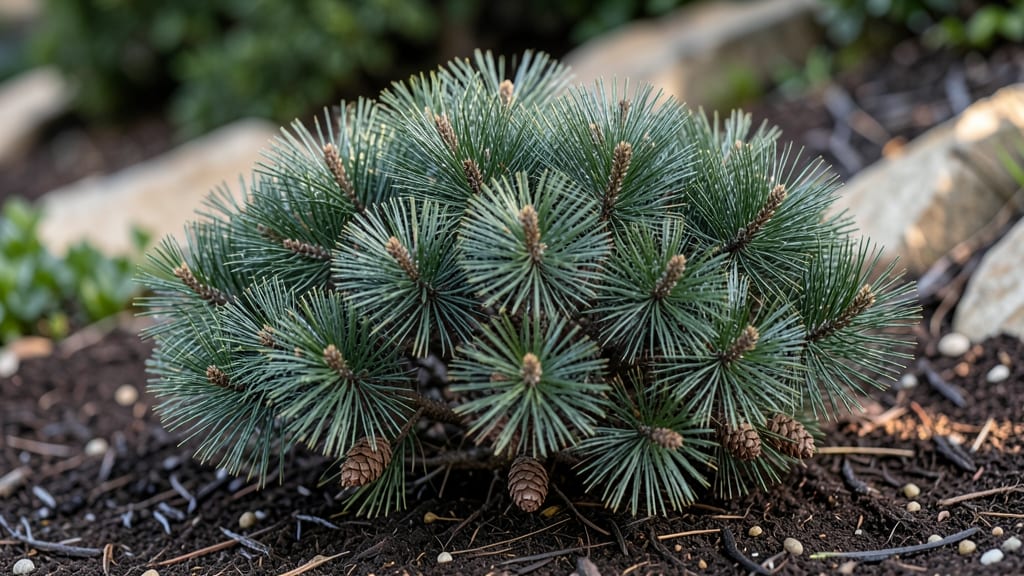
Dwarf pine shrubs bring year-round structure to gardens that most plants can't match. 🌲 Their needle-like foliage stays vibrant through winter, offering privacy and texture without the bulk of full-sized evergreens.
I've used them to frame cottage garden paths, soften modern landscapes, and create woodland-style focal points—each time, they elevate the design effortlessly. The best part? Their compact size (typically 3-6 feet tall) makes them perfect for tight spaces, containers, or mixed borders.
Pair them with flowering shrubs like hydrangeas for seasonal contrast, or tuck them alongside hostas for a layered woodland effect. Their natural shape requires minimal pruning, so they fit into any maintenance routine. What you'll love most is how they transform a space instantly.
A row of dwarf pines along a fence creates an immediate privacy screen, while a single specimen adds architectural interest to a minimalist garden. They thrive in full sun to partial shade, making them adaptable to most climates. For cottage gardens, plant them in clusters with roses and lavender.
In modern designs, use them as structured accents against clean lines. And in woodland settings? They blend seamlessly with ferns and native perennials. Here's how to make them work for your style.
📚 In This Guide
- What you need
- Instructions
- Tips and common mistakes
- Wrapping up and next steps
What you need
- ● Dwarf pine shrubs (e.g., Pinus mugo, Pinus pumilio, or Pinus sylvestris varieties): Quantity: 3–5 plants per 3-foot section (adjust based on desired density)
- ● Size: 1–3 gallon containers (mature height: 2–5 feet)
- ● Well-draining soil mix: 50% native soil, 30% compost, 20% perlite/sand (for aeration)
- ● pH: 5.0–6.5 (slightly acidic)
- ● Organic mulch (e.g., pine bark or wood chips): 2–3 inches thick (keep 3–4 inches away from trunk)
- ● Slow-release fertilizer (10-10-10 or pine-specific blend): Apply 1–2 times per year (spring/fall)
- ● Watering can or hose with a gentle spray nozzle
- ● Garden trowel or spade (for digging)
- ● Measuring tape (to space plants 3–6 feet apart)
- ● Gloves (for handling soil and plants)
- ● Pruning shears (for shaping after planting)
- ○ Optional: Soil pH test kit (to verify acidity levels)
- ● Drip irrigation system (for consistent moisture)
- ● Plant support stakes (if needed for windy areas)
- ● Full sun exposure (6+ hours daily)
- ● Well-draining location (avoid low spots where water pools)
- ● Mature tree/shrub clearance (ensure no overhead shade)
- ● Note: Dwarf pines tolerate poor soil but thrive with proper prep!
How to select, plant, and maintain dwarf pine shrubs for year-round structure
Here's the straightforward approach I use to create low-maintenance, evergreen privacy screens that thrive in tight spaces.
🌱 Step 1: Choose the Right Dwarf Pine Variety for Your Space
Select a cultivar suited to your climate zone and space constraints. For full sun areas, Mugo pines (like 'Pumilio' or 'Slowmound') grow 3-5 feet tall and spread 4-6 feet wide, making them ideal for narrow hedges. If you need something denser, Japanese black pines (like 'Krasavi' or 'Thunderhead') develop thick, layered foliage that resists wind damage.
Measure your planting area before buying—dwarf pines grow slowly but steadily. I always plant 4-6 shrubs per 10-foot section to ensure continuous coverage. Avoid varieties labeled "prostrate" if you want vertical structure; these sprawl instead of growing upright. Check the mature height on the tag—what looks small in the nursery becomes a permanent feature.
🪴 Step 2: Prepare the Planting Site for Optimal Drainage
Dwarf pines hate soggy roots, so test your soil's drainage first. Dig a 6-inch deep hole twice as wide as the root ball and mix in 2 parts native soil with 1 part coarse sand or perlite to improve aeration. If your soil is heavy clay, amend the entire planting area with composted pine bark to prevent compaction.
Plant in late fall or early spring when temperatures are cool—this reduces transplant shock. Space shrubs 3-5 feet apart depending on the variety's mature width. I use a level to ensure the top of the root ball sits 1 inch above ground level; settling will occur over time, so don't plant too deep. Water deeply before backfilling to eliminate air pockets.
☀️ Step 3: Position for Sunlight and Wind Protection
Most dwarf pines thrive in full sun (6+ hours daily), but some varieties (like 'Blue Rug' junipers) tolerate partial shade. Face the narrowest side of the shrub toward prevailing winds—this prevents the characteristic "flagging" where branches bend permanently. I plant mine in a slightly staggered pattern (like bricks) to create a denser, more natural-looking screen over time.
For coastal areas, choose salt-tolerant varieties like 'Glauca Globosa' pines, which handle spray without browning. Mulch with 2-3 inches of pine straw (not wood chips) to retain moisture and suppress weeds. Keep mulch 6 inches away from the trunk to prevent rot. Water deeply once a week for the first year, then taper to monthly deep waterings once established.
✂️ Step 4: Prune Strategically for Shape and Health
Dwarf pines need minimal pruning—only remove dead branches or those growing inward. Use clean, sharp pruners to make cuts just above a healthy bud or branch collar. Avoid "shearing" (cutting into old wood), which creates unsightly stubs and invites disease. I prune in early spring before new growth begins, never in summer when the plant is stressed.
If a shrub grows too wide, thin out select branches at the base rather than topping. This encourages bushier growth from the center. Fertilize lightly in early spring with a balanced, slow-release fertilizer (10-10-10), but skip fertilizer in the first year—new plants need time to establish roots. Over-fertilizing leads to soft, sappy growth that attracts pests like spider mites.
🌿 Step 5: Monitor for Pests and Adjust Care Seasonally
Check for pine needle scale (white cottony bumps) or sawfly larvae (tent-like webs) in late spring. Treat infestations immediately with neem oil or horticultural oil—these are less harsh than chemical pesticides and won't harm beneficial insects. I spray in early morning to avoid burning foliage in direct sun.
In winter, rake away fallen needles to prevent snow mold (a gray fungus that smothers new growth). If your area gets heavy snow, gently brush off accumulation—don't shake the shrub, which can damage branches. Dwarf pines are evergreens, so they provide year-round interest, but their needles may turn bronze or brown in winter if exposed to salt spray or extreme cold. This is normal and not fatal.
Tips & tricks for perfect dwarf pine shrub plantings
These practical insights will help you avoid common pitfalls and create a thriving, low-maintenance evergreen screen that lasts for years.
Variety Selection: When choosing between Mugo pines and Japanese black pines, consider your climate's winter hardiness. Mugo pines (like 'Pumilio') handle Zone 4 conditions well, while Japanese black pines (like 'Thunderhead') thrive in Zones 5-8. I've found that 'Pumilio' holds its shape better in high winds, making it ideal for exposed areas. Always verify the tag's mature height—what appears compact at the nursery becomes a permanent structure in your landscape.
Soil Preparation: The 6-inch deep hole with 2 parts native soil to 1 part sand ratio is non-negotiable for preventing root rot. If your soil tests poorly, consider installing French drains before planting—this prevents waterlogging that can kill dwarf pines in just a few weeks. For clay-heavy soils, I recommend mixing in composted pine bark (not regular compost) to maintain the acidic soil pH these shrubs prefer.
Planting Layout: The staggered pattern (like bricks) creates a denser screen faster than straight rows. For maximum coverage, plant 4-6 shrubs per 10-foot section, leaving 3-5 feet between plants based on their mature width. Pro tip: Use a garden flag to mark each planting spot—this prevents overcrowding as they mature. In coastal areas, position the narrowest side toward prevailing winds to prevent permanent flagging.
Seasonal Care: That first-year watering schedule (deep weekly watering) is critical—dwarf pines establish roots slowly. I've seen many gardeners overwater in summer, thinking more is better. Instead, water deeply but less frequently to encourage deep root growth. In winter, avoid heavy snow accumulation—gently brush off rather than shaking branches, which can cause needle loss.
Pro Tips for Dwarf Pine Shrubs
- These practical insights will help you avoid common pitfalls and create a thriving, low-maintenance evergreen screen that lasts for years.
- Variety Selection: When choosing between Mugo pines and Japanese black pines, consider your climate's winter hardiness.
- Soil Preparation: The 6-inch deep hole with 2 parts native soil to 1 part sand ratio is non-negotiable for preventing root rot.
Frequently asked questions
Got questions about dwarf pine shrubs?
Here are answers to the most common ones—whether you're planning a landscape or troubleshooting an existing plant.
How fast do dwarf pine shrubs grow?
Dwarf pines are slow growers, typically adding just 6–12 inches per year. This makes them ideal for low-maintenance landscapes. For faster visual impact, opt for slightly larger nursery specimens (3–5 feet tall) instead of starting from seed.
Do dwarf pine shrubs need full sun?
Yes! Most dwarf pines thrive in full sun (6+ hours daily), though some varieties (like Pinus mugo) tolerate partial shade. In shady spots, growth may slow, and foliage could become sparse. Always check your specific variety’s light needs before planting.
Are dwarf pine shrubs cold-hardy?
Dwarf pines are highly cold-resistant, with most varieties handling zones 3–7 (or even colder for some species). They’re perfect for snowy climates and require no winter protection unless you’re in an extreme microclimate.
What’s the best alternative if I don’t want a pine?
If you love the look but want something different, consider:
- Dwarf boxwoods – Dense, evergreen, and low-maintenance.
- Juniper ‘Blue Rug’ – Soft texture, drought-tolerant, and compact.
- Dwarf yews – Glossy foliage with a similar mounded shape.
Why are my dwarf pine needles turning brown?
Brown needles usually signal drought stress, overwatering, or pest damage (like spider mites). Check soil moisture—dwarf pines prefer well-draining soil and hate soggy roots. For pests, spray with neem oil or introduce beneficial insects.
Wrapping up and next steps
Dwarf pine shrubs are a fantastic addition to any landscape, offering year-round color, texture, and privacy with minimal space. Whether you're a beginner gardener or a seasoned pro, their low-maintenance nature and versatility make them a win-win.
Ready to transform your outdoor space? Start small—pick a variety that suits your climate and style, then plant with confidence! 🌲✨
Need more inspiration? Browse dwarf pine varieties or explore design tips to create your dream garden today!