
Shrubs
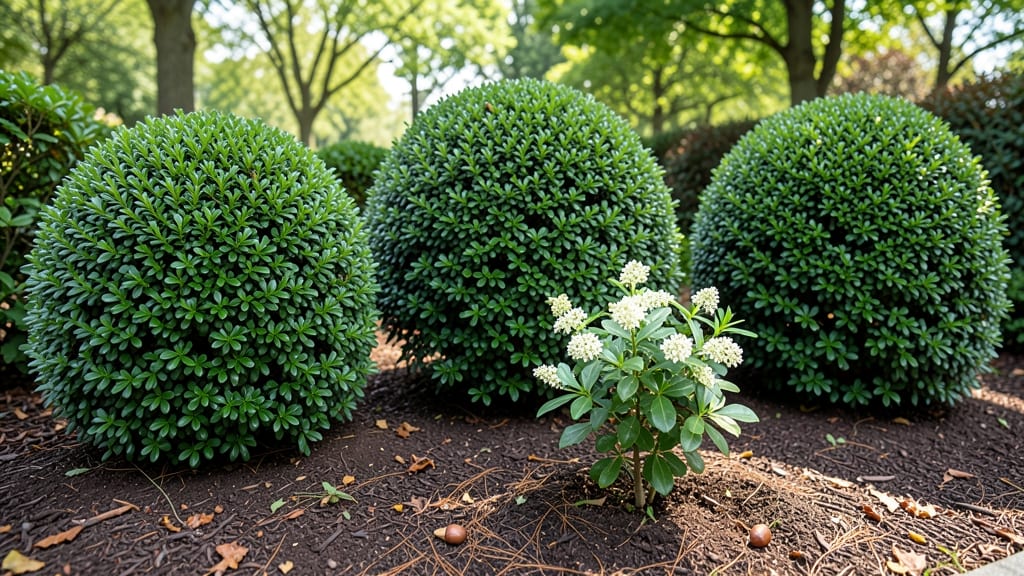
Your garden can become a fragrant sanctuary with the right all-year-round shrubs—no bare branches in sight. 🌿 I’ve designed my landscape with plants that offer color, texture, and even winter charm.
The secret lies in layering evergreens, seasonal bloomers, and shrubs with striking bark or berries to keep interest high all 12 months.
Think of it like building a living tapestry: evergreens like boxwood or holly provide the green backdrop, while deciduous shrubs like winterberry or witch hazel add drama in colder months.
Spacing matters too—plant taller shrubs at the back and shorter ones in front for a balanced look. Companion plants like ornamental grasses or dwarf conifers fill gaps and add movement.
By mid-spring, you’ll see blooms from azaleas and rhododendrons, followed by summer flurries of hydrangeas and fall berries from viburnum. Even in winter, the garden stays alive with textured foliage and bold stems. Maintenance is simple: prune in late winter, mulch annually, and water deeply during dry spells.
These shrubs thrive in most climates, from coastal gardens to inland zones, making them versatile for any yard. Whether you’re creating a formal hedge or a wild, cottage-style border, this approach guarantees year-round beauty with minimal effort.
📚 In This Guide
- What you need
- Instructions
- Tips and common mistakes
- Wrapping up and next steps
What you need
- ● Shrubs: Choose 3–5 varieties (e.g., Daphne odora, Pieris japonica, Camellia, Abelia, or Viburnum). 1–2 evergreen shrubs (e.g., Boxwood or Holly) for structure.
- ● 1–2 deciduous shrubs (e.g., Forsythia or Weigela) for seasonal color.
- ● 1–2 fragrant shrubs (e.g., Philadelphus or Osmanthus) for scent.
- ● Potting Soil: 5–10 bags (1.5–2 cubic feet each) of well-draining, organic potting mix (e.g., Miracle-Gro Premium or FoxFarm Ocean Forest).
- ● Containers or Garden Beds: For containers: 3–5 pots (12–18 inches in diameter) with drainage holes.
- ● For garden beds: A 4’x4’ area with loose, amended soil (or raised bed).
- ● Mulch: 2–3 bags of organic mulch (e.g., pine bark or cedar chips) to retain moisture and suppress weeds.
- ● Fertilizer: 1 bag of slow-release granular fertilizer (e.g., Osmocote Smart-Release) for planting.
- ● 1 bottle of balanced liquid fertilizer (e.g., 20-20-20) for seasonal feeding.
- ● Garden Gloves (1 pair, waterproof for comfort).
- ● Trowel or Hand Shovel (for planting and soil prep).
- ● Pruning Shears (bypass type, sharp and sterilized).
- ● Garden Fork (for aerating soil in beds).
- ● Watering Can or Hose with a soft spray nozzle.
- ○ pH Test Kit (optional but helpful to check soil acidity, 4.5–6.5 ideal for many shrubs).
- ● Location: Pick a spot with 6+ hours of sunlight daily (adjust for shade-loving varieties like Camellia).
- ● Climate Check: Verify your USDA Hardiness Zone (most all-year shrubs thrive in Zones 6–9).
- ● Water Source: Ensure easy access to water (shrubs need 1–1.5 inches per week, more in heat).
- ○ Optional Extras: Epsom salt (for magnesium-rich soil, 1 tbsp per gallon of water).
- ● Mulch rings or edging (to keep mulch in place).
- ● Automatic drip irrigation system (for low-maintenance watering).
Step-by-step guide to planting all-year-round shrubs
Here’s how to create a fragrant, seasonal display that thrives in every month.
🌱 Step 1: Choose the Right Shrubs for Your Climate
Select shrubs that match your USDA hardiness zone—this ensures they’ll survive winter and bloom reliably. For example, boxwood thrives in zones 4-9, while camellia prefers zones 7-10. I always check the plant tag for cold tolerance before buying.
Look for varieties with staggered bloom times. Pair winter jasmine (January-March) with azalea (spring) and hydrangea (summer) to guarantee color year-round. A mix of evergreens like inkberry holly and dwarf yew keeps structure even when flowers fade.
☀️ Step 2: Plant in Well-Draining Soil with Full Sun
Dig a hole twice as wide as the root ball but only as deep. This prevents root suffocation while encouraging outward growth. Amend heavy clay soil with 3 inches of compost before planting—shrubs hate soggy roots, and good drainage is non-negotiable.
Place the shrub so the top of the root ball sits 1 inch above ground level. This prevents stem rot from water pooling at the base. Backfill with native soil, pressing gently to remove air pockets. Water deeply until soil settles—you’ll see the ground level slightly after the first soak.
💧 Step 3: Water Deeply and Mulch for Winter Protection
Water newly planted shrubs once a week for the first month, then taper to every 2 weeks once established. Deep watering (until soil is moist 12 inches down) encourages strong root growth. Avoid shallow watering—it leads to weak, surface roots that dry out fast.
Spread 3 inches of mulch (wood chips or shredded bark) around the base, keeping it 6 inches away from the trunk. Mulch insulates roots in winter and retains moisture in summer. Replenish mulch annually—it breaks down and loses effectiveness over time.
✂️ Step 4: Prune for Shape and Seasonal Interest
Prune late winter or early spring (just before new growth) to shape shrubs and encourage dense foliage. Use clean, sharp shears to make cuts at a 45-degree angle just above a leaf node. Avoid heavy pruning—never remove more than 1/3 of the plant in one season.
For flowering shrubs, prune after blooms fade (except spring bloomers like lilac, which bloom on old wood). Deadhead spent flowers to redirect energy into next year’s blooms. I always step back after pruning—it’s easier to see balance from a few feet away.
🌿 Step 5: Fertilize Lightly for Sustained Growth
Apply a slow-release, balanced fertilizer (10-10-10) in early spring when new growth appears. Follow package rates—over-fertilizing burns roots and attracts pests. Water thoroughly after applying to help nutrients penetrate the soil.
Skip fall fertilization—it encourages tender new growth that won’t harden off before winter. Instead, focus on organic matter like composted leaves or worm castings in late autumn. This feeds soil microbes, which in turn support root health year-round.
Tips & tricks for perfect all-year-round shrubs
Creating a vibrant, year-round shrub display takes more than just planting—it’s about smart choices that keep your garden thriving in every season. Here’s what I’ve learned after years of trial and error.
Climate Matching: When selecting shrubs, don’t just look at the USDA zone—check the specific microclimate in your yard. A north-facing spot might need cold-hardier varieties like inkberry holly, while a south-facing area can handle more delicate camellias. I always test-drive plants in containers for a season before committing to permanent placement. This gives you a real-world preview of how they’ll perform in your exact conditions.
Soil Prep Secret: The 3 inches of compost mentioned in Step 2 is non-negotiable, but here’s the extra step nobody tells you: Mix in a handful of mycorrhizal fungi with your compost. These beneficial soil organisms form symbiotic relationships with shrub roots, dramatically improving nutrient uptake and drought resistance. It’s like giving your plants a built-in root system upgrade. You can find mycorrhizal granules at garden centers—just sprinkle them in the planting hole before adding soil.
Watering Wisdom: That first month of weekly watering is critical, but timing matters just as much as frequency. Water in the early morning whenever possible—this gives foliage time to dry before evening, reducing fungal diseases. If you must water in the evening (like during extreme heat), avoid wetting the leaves themselves to prevent mildew. I set a reminder on my phone for 6 AM watering days to make it a habit.
Pruning Pro Tip: When pruning flowering shrubs after blooms fade, don’t just cut randomly—look for the largest, most vigorous stems to remove first. These are often the ones that grew the most during the season and can crowd out newer growth. I like to prune on a dry, sunny day when the plants are actively growing (but not in the peak heat of summer). This timing gives them time to recover before winter.
Pro Tips for All Year Round Shrubs
- Creating a vibrant, year-round shrub display takes more than just planting—it’s about smart choices that keep your ga...
- Climate Matching: When selecting shrubs, don’t just look at the USDA zone—check the specific microclimate in your yar...
- Soil Prep Secret: The 3 inches of compost mentioned in Step 2 is non-negotiable, but here’s the extra step nobody tel...
Frequently asked questions
Got questions about keeping your garden vibrant with all-year-round shrubs? You’re in the right place! Here are some of the most common queries—plus straightforward answers to help you plan, plant, and enjoy your evergreen (or near-evergreen) oasis.
What are the easiest all-year-round shrubs for beginners?
Start with low-maintenance stars like Boxwood, Dwarf Lilac, or Inkberry Holly. These thrive in most climates, tolerate pruning, and offer year-round structure with minimal fuss. For color, Dwarf Fothergilla or Pieris Japonica deliver seasonal blooms without high upkeep.
Do all-year-round shrubs need special care in winter?
Most are hardy, but a little prep helps! Mulch around the base to insulate roots, and water deeply but less often before the ground freezes. Evergreens like Juniper or Yew may need occasional winter watering if droughty. Avoid heavy pruning in late fall—wait until early spring instead.
Can I mix all-year-round shrubs with seasonal flowers?
Use shrubs as a backbone for structure, then layer in perennials like Hellebores (winter blooms) or Coneflowers (summer color). For example, pair Oakleaf Hydrangea (spring blooms) with Boxwood for a dynamic, ever-changing display.
Why are my all-year-round shrubs losing leaves or turning brown?
Brown leaves often signal drought stress, fungal issues (like powdery mildew), or overwatering. Check soil moisture—most prefer well-draining soil. Fungal problems? Prune affected branches and apply neem oil. For evergreens, winter burn (crispy edges) can happen in dry cold—water in late fall to prevent it.
Are there all-year-round shrubs that work in shady gardens?
Yes! Opt for Holly, Dwarf Rhododendron, or Japanese Pieris—they thrive in partial to full shade. For texture, try Dwarf Fatsia or Inkberry Holly. Just ensure the soil stays moist (but not soggy) and amend with organic matter for healthier roots.
Wrapping up and next steps
Transforming your garden into a fragrant, ever-blooming sanctuary is simpler than you think!
All-year-round shrubs bring color, texture, and life to your outdoor space, no matter the season—whether you're a seasoned gardener or just starting. 🌿✨ Their low-maintenance beauty makes them the perfect choice for effortless curb appeal and year-round joy.
Ready to take the next step? Pick 2-3 shrubs that suit your climate and style, then plant them with confidence—your garden will thank you with blooms, scent, and serenity all year long! 🌸💚