
Companion Plants
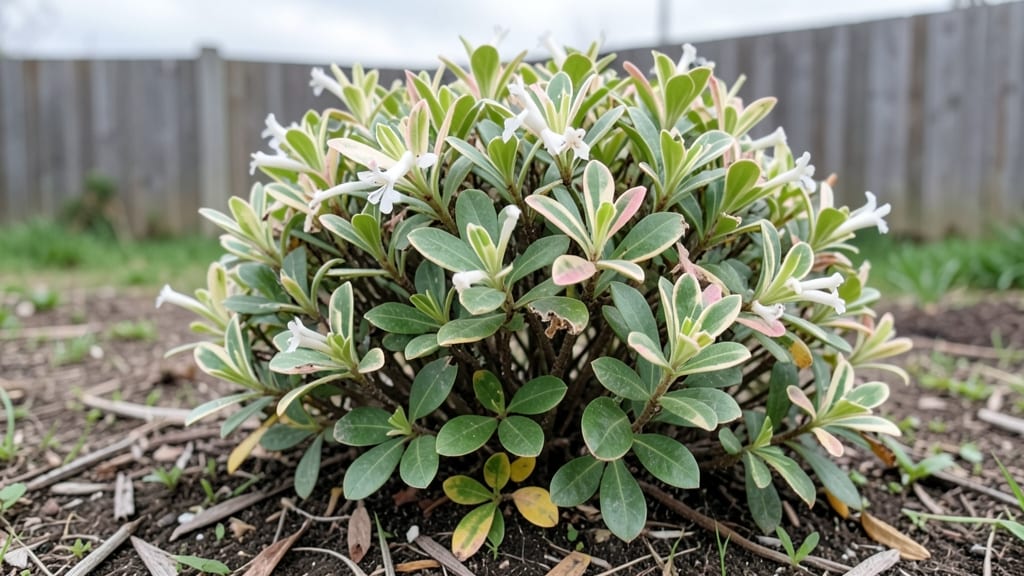
The abelia kaleidoscope shrub turns even the dullest garden corners into living art, its foliage shifting from pink to purple to chartreuse all season—✨ and mine, planted last spring, has thrived beyond my wildest dreams. the star of my shady front yard—no fuss, just color.
The secret lies in its adaptability: it handles partial shade, thrives in average soil, and blooms from late spring until frost. That’s four months of delicate white flowers on a plant that stays compact enough for small gardens or big containers.
You’ll need just three things to get started: a spot with at least 4 hours of sunlight, well-draining soil (even rocky ground works), and a 5-gallon pot if you’re container-gardening. The shrub grows 3-5 feet tall and wide, so space it accordingly—though it’s happy in tight spots too.
Planting takes 20 minutes, and the real magic happens after: minimal pruning (just shape it in late winter) and occasional watering once established. It’s the kind of plant that makes neighbors ask, “What’s that?”—and then you get to brag about its low-maintenance charm.
By summer’s end, your Abelia will be a velvety cascade of color, with blooms attracting butterflies while the foliage repels pests. The best part? It keeps its vibrancy through winter, turning brown only in freezing climates—then bouncing back like nothing happened.
No other shrub gives you this much year-round drama with so little effort. Ready to add a living masterpiece to your garden? Let’s dive into the details.
Here’s the kicker: this shrub handles everything—drought, heat waves, and even urban pollution. Whether you’re fixing up a shady corner, lining a walkway, or adding height to a container garden, Abelia ‘Kaleidoscope’ delivers foolproof results.
The only mistake you can make is waiting too long to plant one—your garden will thank you for seasons to come.
📚 In This Guide
- What you need
- Instructions
- Tips and common mistakes
- Wrapping up and next steps
What you need
- ● Abelia Kaleidoscope shrub: 1-3 mature plants (depending on desired size; 2-3 ft tall at maturity). Choose from nursery-grown or containerized options for easier transplanting.
- ● Well-draining soil: Amend heavy clay soil with compost (2-3 gallons) or peat moss (1 part to 2 parts soil) to improve aeration.
- ● Organic mulch: 3-4 inches of pine bark, shredded leaves, or wood chips to retain moisture and regulate soil temperature.
- ● Fertilizer: Balanced, slow-release granular fertilizer (10-10-10 or 20-20-20)—use 2-3 tablespoons per plant at planting time.
- ● Watering can or hose with a gentle spray nozzle: For deep watering (1-1.5 gallons per plant) after planting.
- ● Gloves and pruning shears: Bypass pruners (sharp, clean) for shaping and maintaining the shrub.
- ● Trowel or small shovel: For digging planting holes (12-18 inches wide and deep).
- ○ Garden stakes or cages: Optional for young or top-heavy plants in windy areas.
- ○ Soil pH test kit: Optional but helpful—Abelia thrives in slightly acidic to neutral soil (pH 6.0-7.0).
- ○ Slow-release fertilizer spikes: Optional for low-maintenance nutrition (follow package instructions).
- ○ Plant food (high in phosphorus): Optional for encouraging root growth during the first growing season.
Step-by-Step guide to planting and caring for Abelia Kaleidoscope shrubs
This stunning shrub thrives with minimal fuss once you get the basics right.
🌱 Step 1: Choose the Perfect Planting Location
Abelia Kaleidoscope loves partial shade to full sun—at least 4-6 hours of sunlight daily—but tolerates morning sun with afternoon shade in hotter climates. I always pick a spot with shelter from strong afternoon winds, which can stress the delicate foliage. The shrub's vibrant colors pop best when planted where they'll be seen from multiple angles, like near patios or walkways.
Check the soil drainage before planting. Abelia hates soggy roots, so if your yard holds water after rain, amend the area with 2-3 inches of compost mixed into the top 12 inches of soil. You'll know the drainage is right when water soaks in within 10-15 minutes after watering.
🪴 Step 2: Dig and Plant at the Right Depth
Dig a hole twice as wide as the root ball but only as deep as the container's root base. Abelia Kaleidoscope thrives when planted no deeper than its original soil line—burying too deep suffocates the roots. Gently loosen the roots if they're circling tightly in the pot, then place the shrub in the hole.
Backfill with the native soil you removed, tamping lightly every 2 inches to eliminate air pockets. Water deeply right after planting to settle the soil around the roots. You'll see the soil surface sink slightly as it absorbs water—that's your signal the roots are making good contact.
☀️ Step 3: Water and Mulch for Year-Round Health
Water deeply once a week during the first growing season, aiming for 1-1.5 inches of water per session. Let the top 2 inches of soil dry out between waterings to encourage strong root growth. After the first year, Abelia becomes drought-tolerant, but the foliage stays most vibrant with consistent moisture during dry spells.
Spread 2-3 inches of mulch (like shredded bark or pine straw) around the base, keeping it 3 inches away from the trunk to prevent rot. Mulch conserves moisture and protects roots from temperature swings. Refresh the mulch layer annually in early spring before new growth begins.
✂️ Step 4: Prune for Shape and Encourage Blooms
Prune Abelia Kaleidoscope right after flowering in late summer or early fall. This encourages fresh growth and keeps the shrub compact. Remove dead or crossing branches first, then trim back 1/3 of the oldest stems to the ground. You'll see new growth emerge from the base within 2-3 weeks, signaling the plant is rejuvenating.
Shape the shrub lightly in spring by trimming just the tips of overgrown branches. Avoid heavy pruning in late winter—Abelia blooms on current year's growth, and cutting too early removes potential flower buds. Wear gloves; the stems have small thorns that can prick.
🌿 Step 5: Fertilize and Protect for Long-Term Vibrancy
Apply a balanced, slow-release fertilizer (10-10-10) in early spring just as new growth appears. Use half the recommended rate—Abelia doesn't need heavy feeding. Water the soil thoroughly before and after applying to prevent root burn. You'll notice richer foliage color within 4-6 weeks if the fertilizer is working.
Watch for spider mites or scale insects, which love dry conditions. Spray the undersides of leaves with neem oil if you spot webbing or sticky residue. A strong spray of water from the hose can dislodge many pests—do this in early morning so leaves dry quickly and prevent fungal issues.
Tips & tricks for perfect Abelia Kaleidoscope shrub planting and care
Here's what I've learned after years of growing these stunning shrubs—simple tweaks that make all the difference.
Location is Everything: In Step 1, when choosing your spot, pay extra attention to afternoon shade if you live in a hot climate. I've seen Abelia Kaleidoscope leaves scorch when exposed to intense afternoon sun—look for areas with dappled shade or morning sun with afternoon relief. Also, avoid planting near large trees that will compete for water and nutrients.
Root Care During Planting: During Step 2, when loosening those circling roots, don't go overboard—just gently separate them with your fingers. I've made the mistake of aggressively pruning roots and ended up with stressed plants that took months to recover. The goal is to encourage outward growth, not damage the root system.
Watering Wisdom: In Step 3, that 1-1.5 inches of water per week is crucial, but timing matters too. Water early in the morning so leaves have time to dry before evening—this prevents fungal diseases. I've noticed my plants stay healthier when I water at dawn rather than in the evening, even though both provide the same amount of moisture.
Pruning Pro Tips: When you're trimming in Step 4, use sharp, clean pruners to make clean cuts at a 45-degree angle just above a leaf node. I always sterilize my tools with rubbing alcohol between cuts to prevent spreading disease. And remember, those small thorns are real—wear gloves to avoid getting pricked while shaping your shrub.
Pro Tips for Abelia Kaleidoscope Shrub
- Here's what I've learned after years of growing these stunning shrubs—simple tweaks that make all the difference.
- Location is Everything: In Step 1, when choosing your spot, pay extra attention to afternoon shade if you live in a hot climate.
- Root Care During Planting: During Step 2, when loosening those circling roots, don't go overboard—just gently separate them with your fingers.
Frequently asked questions
Got questions about growing and caring for your Abelia Kaleidoscope shrub? You’re not alone!
Here are some of the most common questions—and straightforward answers—to help you keep this stunning plant thriving year-round.
What’s the best way to plant an Abelia Kaleidoscope shrub for maximum growth?
The key is well-draining soil and partial shade. Dig a hole twice as wide as the root ball but no deeper, then mix in compost for nutrients. Water thoroughly after planting, and mulch around the base to retain moisture. Avoid heavy clay soil—it can suffocate roots!
How long does it take for an Abelia Kaleidoscope to mature and bloom?
Patience pays off! This shrub typically takes 1–2 years to establish and start blooming, with peak color in late spring to early fall. Younger plants focus on foliage growth first, so don’t worry if flowers are sparse at first—just keep it healthy, and it’ll reward you!
Can Abelia Kaleidoscope survive winter frost? What’s the best protection?
This shrub is hardy to USDA Zones 6–9, but young plants or harsh winters may need help. Wrap the base with burlap or use a lightweight blanket to shield roots. Avoid heavy mulch—it can trap moisture and rot stems. Prune back dead growth in early spring to encourage new growth.
When and how should I prune my Abelia Kaleidoscope?
Prune right after flowering (late summer/early fall) to shape the shrub and encourage dense growth. Use clean, sharp shears to cut back 1/3 of the oldest stems to the ground. Avoid heavy pruning in spring—it removes blooms for the season! For a bushier look, trim just above a leaf node.
What are some great companion plants for Abelia Kaleidoscope?
Pair it with low-maintenance perennials like heuchera (for texture), ajuga (for ground cover), or hydrangeas (for color contrast). It also thrives near hostas or ferns in shady spots. Avoid aggressive spreaders like mint—they’ll compete for space and nutrients!
Are there common pests or diseases I should watch for?
Keep an eye out for aphids (sap-sucking insects) or scale, which can stress the plant. Treat with neem oil or insecticidal soap if needed. Overwatering can lead to root rot, so ensure proper drainage. Yellowing leaves? Check for powdery mildew—improve airflow and avoid wetting foliage during watering.
Wrapping up and next steps
The Abelia Kaleidoscope shrub is a standout choice for gardeners seeking year-round beauty with minimal fuss. Its vibrant foliage, delicate blooms, and adaptability make it a versatile companion plant that thrives in various climates—perfect for adding color and texture to your landscape with ease.
Whether you're a seasoned gardener or just starting, this shrub offers low-maintenance elegance that will keep your garden looking fresh and inviting.
Ready to transform your outdoor space? Plant one today and enjoy the rewards of a garden that stays stunning season after season! 🌿✨