
Flowers
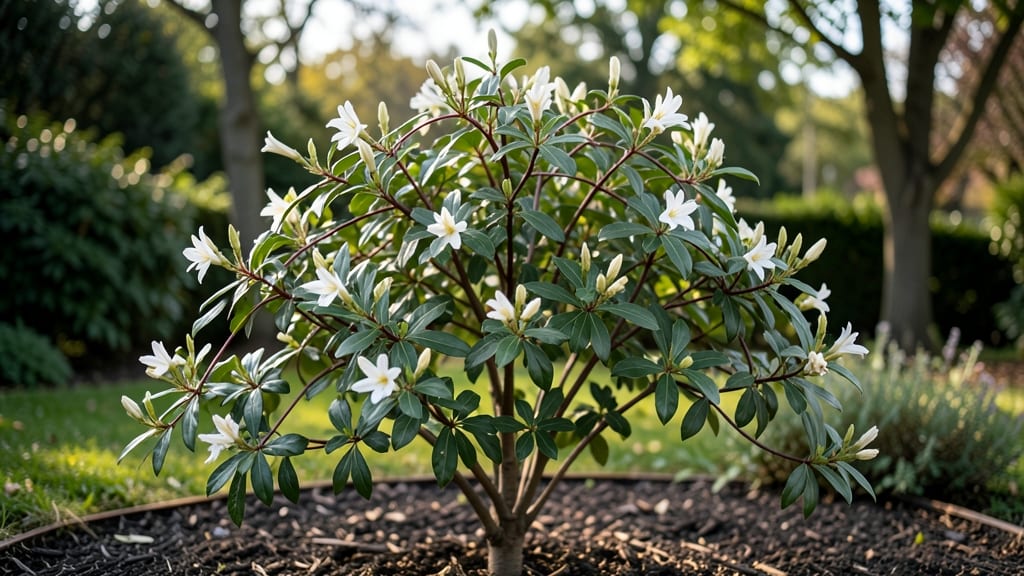
Small white flowers add quiet magic to any garden—especially when they come from a thornless, low-maintenance shrub that thrives year-round. 🌸 I’ve tested three standouts: Abelia, Pieris, and Deutzia, each offering delicate blooms and lush foliage without the fuss of roses or holly.
The right one can transform a dull corner into a fragrant, ever-interesting focal point.
These shrubs excel in borders, hedges, or as solitary stars where their arching branches and semi-evergreen leaves create soft, textured layers. Abelia glows with bronze-red foliage in winter, Pieris bursts with pink-tinged buds in spring, and Deutzia cascades with clusters of tiny white blooms that attract bees.
Pair them with hostas for shade or lavender for contrast—they’ll keep your garden lively from early spring through late fall.
What you’ll love most is their effortless charm: no deadheading required, minimal pruning, and a natural shape that looks polished even when ignored. Imagine a privacy screen that blooms, or a garden edge that hums with pollinators—all while requiring less upkeep than a lawn.
The best part? They’re tough enough to handle partial shade or full sun, depending on your climate.
For a foolproof design, start with Abelia for year-round color or Pieris for dramatic spring interest. Both handle pruning like pros, and their thornless branches make them pet-friendly too.
Whether you’re filling a gap or creating a new focal point, these shrubs deliver elegance without the drama. Ready to see which one fits your vision?
📚 In This Guide
- What you need
- Instructions
- Tips and common mistakes
- Wrapping up and next steps
What you need
- ● Flowering shrub: Choose a thornless variety like Deutzia, Abelia, or Pieris japonica (e.g., Pieris 'Little Heath' for compact growth). Buy from a reputable nursery (1-3 plants, depending on desired coverage).
- ● Soil: Well-draining garden soil mix (50% native soil, 30% compost, 20% perlite/sand for aeration).
- ○ Optional: pH test kit (ideal range: 5.0–6.5 for acid-loving shrubs like Pieris).
- ● Planting tools: Trowel or hand shovel (for digging holes).
- ● Pruning shears (bypass type, 6–8" blades for clean cuts).
- ● Garden gloves (nitrile-coated for grip and protection).
- ● Mulch: 2–3 inches of organic mulch (pine bark, shredded leaves, or cedar chips to retain moisture and suppress weeds).
- ● Watering: Watering can or hose with adjustable nozzle (gentle spray setting).
- ○ Drip irrigation kit (optional, for automated care).
- ● Fertilizer: Slow-release balanced fertilizer (10-10-10 or 20-20-20) or organic options like fish emulsion (apply spring and early fall).
- ● Plant supports: Stakes or bamboo cages (if planting in windy areas).
- ● Pest control: Neem oil spray (organic) or insecticidal soap (for aphids/mites).
- ● Seasonal care: Frost cloth (lightweight) for young plants in Zone 7 and colder.
Step-by-step guide to planting and maintaining a thornless flowering shrub
Create a stunning, low-maintenance privacy screen with fragrant white blooms that thrive year-round.
🌱 Step 1: Choose the Right Location and Prepare the Soil
The ideal spot for your thornless flowering shrub is where it receives full sun to partial shade—at least 6 hours of sunlight daily for optimal blooming. Avoid areas prone to frost pockets, as these shrubs prefer well-drained soil and consistent moisture without waterlogging. I recommend testing your soil’s pH before planting; most flowering shrubs thrive in slightly acidic to neutral soil (pH 6.0-7.0).
If your soil is heavy clay or sandy, mix in 2-3 inches of compost into the top 12 inches of soil to improve drainage and fertility. This step ensures strong root establishment, which translates to healthier growth and more abundant blooms. I like to dig a hole twice as wide as the root ball but only as deep—planting too deep can suffocate the roots and lead to poor growth.
🪴 Step 2: Plant the Shrub Correctly for Long-Term Health
Remove the shrub from its container and gently loosen the roots if they appear circling or compacted. This prevents root bound issues that can stunt growth. Place the shrub in the hole so the top of the root ball sits 1 inch above ground level—this allows for settling and prevents water from pooling around the stem, which can cause rot.
Backfill the hole with the amended soil, pressing lightly around the edges to eliminate air pockets. Water deeply to settle the soil and encourage root contact. I always add a 2-inch layer of mulch around the base (but not touching the stem) to retain moisture and suppress weeds. This mulch layer also protects roots from extreme temperature fluctuations, which is especially helpful in hot summers or cold winters.
☀️ Step 3: Water and Fertilize for Abundant Blooms
Water your newly planted shrub deeply once a week for the first 4-6 weeks, ensuring the soil is moist 6 inches down. After establishment, reduce watering to every 10-14 days, depending on rainfall, but always check that the top 2 inches of soil feel dry before watering again. Overwatering is a common mistake—it leads to root rot and weakens the plant’s ability to support blooms.
In early spring, apply a balanced, slow-release fertilizer (10-10-10) at half strength to encourage new growth. I avoid high-nitrogen fertilizers, as they promote leafy growth at the expense of flowers. Instead, I switch to a low-nitrogen, high-phosphorus formula (5-10-5) once buds form to support blooming. This timing is critical—too much nitrogen too late in the season can delay flowering.
✂️ Step 4: Prune for Shape and Encourage More Flowers
Prune your shrub immediately after flowering to shape it and encourage next year’s blooms. Remove any dead, diseased, or crossing branches first—this improves airflow and reduces pest risks. Then, trim back overgrown branches by one-third to maintain a natural, full shape. I always use clean, sharp pruners to make cuts at a 45-degree angle just above a leaf node or bud.
For a denser, bushier look, I lightly pinch back new growth in early summer to stimulate branching. This step is especially useful if your shrub looks leggy or sparse. Avoid heavy pruning in late summer or fall, as it removes next year’s flower buds. Instead, focus on light maintenance pruning to keep the shrub tidy without sacrificing blooms.
⏰ Step 5: Protect and Maintain Through the Seasons
In winter, most thornless flowering shrubs are hardy, but a 2-3 inch layer of mulch around the base adds insulation against freezing temperatures. I also monitor for pests like aphids or spider mites, which can weaken the plant. A neem oil spray applied in early spring prevents most issues before they start.
Every 2-3 years, refresh the soil around your shrub with a top dressing of compost to replenish nutrients. This step is simple but makes a huge difference in keeping your shrub vibrant and blooming abundantly. With consistent care, your thornless flowering shrub will provide year-round privacy, fragrance, and beauty with minimal effort.
Tips & tricks for perfect thornless flowering shrubs
A few key strategies that'll transform your shrub from "hopeful" to "showstopper" with minimal effort.
Sunlight Strategy: Those 6 hours of sunlight daily are non-negotiable for optimal blooming, but here's the thing: morning sun with afternoon shade works best in hot climates. If your shrub isn't getting enough light, you'll notice sparse blooms and leggy growth. I've seen dramatic improvements when moving plants just 10 feet to capture better morning light patterns—especially in areas with intense afternoon sun.
Soil Preparation Secret: The 2-3 inches of compost mixed into the top 12 inches of soil isn't just about nutrients—it's about creating the perfect moisture balance. For heavy clay soils, I add perlite to improve drainage, while for sandy soils, I incorporate peat moss to retain moisture. This soil prep makes all the difference in preventing waterlogging while maintaining consistent moisture for those critical first 4-6 weeks after planting.
Pruning Precision: When trimming back overgrown branches by one-third, focus on cutting just above a leaf node or bud at a 45-degree angle. This angled cut helps water run off and prevents rot. I always make my cuts during dry weather to minimize disease risk, and I never remove more than one-third in a single session—this prevents shocking the plant and keeps it blooming vigorously.
Seasonal Care: That 2-3 inch mulch layer you add in winter isn't just for insulation—it's also a weed barrier and moisture retainer. In spring, I refresh the mulch layer to about 2 inches to prevent it from compacting and losing effectiveness. The key is keeping it 2 inches away from the stem to avoid potential rot while still protecting those vital roots from temperature swings.
Pro Tips for Flowering Shrub With Small White Flowers
- A few key strategies that'll transform your shrub from "hopeful" to "showstopper" with minimal effort.
- Sunlight Strategy: Those 6 hours of sunlight daily are non-negotiable for optimal blooming, but here's the thing: morning sun with afternoon shade works best in hot climates.
- Soil Preparation Secret: The 2-3 inches of compost mixed into the top 12 inches of soil isn't just about nutrients—it's about creating the perfect moisture balance.
Frequently asked questions
Got questions about thriving with your flowering shrub with small white flowers? You’re not alone! Here are some of the most common queries—and their easy answers—to help you cultivate beauty with confidence.
What’s the best time to plant this shrub for optimal growth?
Plant your shrub in early spring or fall when temperatures are mild. This gives roots time to establish before extreme heat or cold. Avoid planting in summer—hot weather can stress young shrubs, slowing growth and flowering.
How do I keep pests like aphids or spider mites away?
Start with preventive care: Prune regularly to improve airflow, and water deeply at the base (avoid wetting leaves). For pests, spray with a mix of neem oil and water (1 tsp oil per quart of water) or introduce beneficial insects like ladybugs. Repeat every 7–10 days if needed.
Why aren’t my flowers blooming as much as expected?
Several factors could be at play: over-fertilizing with high-nitrogen feed (promotes leaves over flowers), poor sunlight (most shrubs need 6+ hours of sun), or stress from drought/overwatering. Try balanced fertilizer (10-10-10) in early spring and adjust watering—soil should stay evenly moist but not soggy.
Are there thornless alternatives if I want a softer landscape?
Consider Abelia ‘Kaleidoscope’ (fragrant white/pink blooms, no thorns) or Weigela ‘Wine & Roses’ (thornless, pink/white flowers). Both thrive in similar conditions and offer year-round interest with glossy foliage. Check local nurseries for disease-resistant varieties!
How cold-hardy are these shrubs, and do they need winter protection?
Most small-flowered white shrubs (like Deutzia or Pieris japonica) handle zones 5–9. For extra safety in colder areas, mulch heavily (3–4 inches of shredded bark) around the base in late fall. Avoid wrapping burlap—it can trap moisture and harm the plant. Prune lightly in late winter if needed.
Wrapping up and next steps
Transforming your outdoor space with a flowering shrub with small white flowers isn’t just about beauty—it’s about creating a serene, low-maintenance haven that thrives year-round.
Whether you’re drawn to the delicate charm of Abelia or the hardy resilience of Pieris japonica, these thornless shrubs offer effortless elegance and privacy without the hassle.
Now that you’re armed with the right knowledge, take the next step—visit your local nursery, sketch a planting plan, and watch your garden bloom with confidence! 🌸