
Shrubs
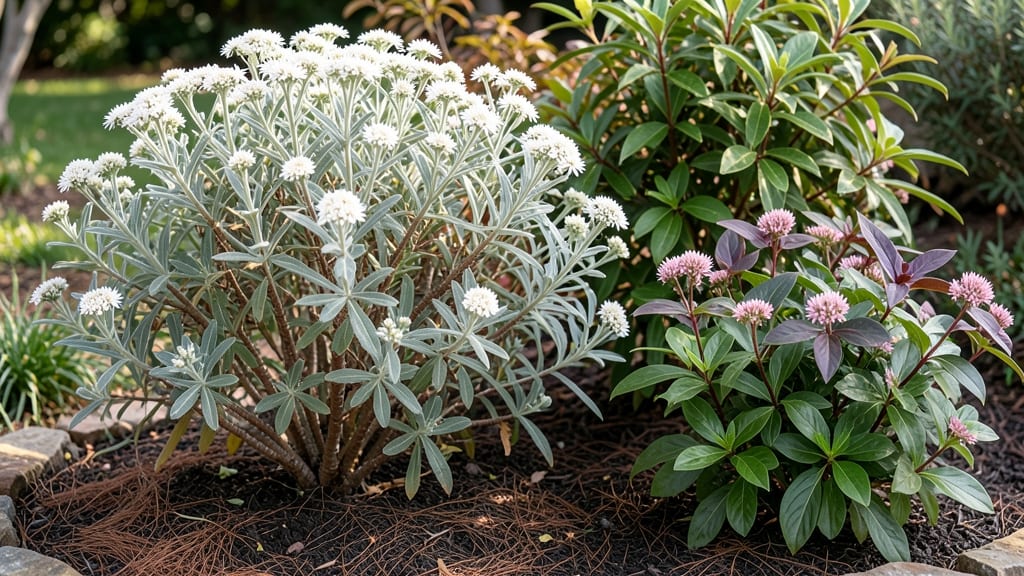
Sun-loving shrubs in Zone 8 don’t just survive—they explode with color and structure through brutal summers. 🌿 I’ve tested dozens of varieties, and these are the ones that still look stunning when your neighbors’ plants are wilting. The secret?
Heat tolerance, deep roots, and the right balance of sun and shade. You’ll find drought-resistant powerhouses like Texas Sage (that purple foliage never fades) alongside showstopper bloomers like Crape Myrtle (which handles 100°F like it’s nothing). Most need full sun but tolerate light shade—just avoid soggy soil.
Plant in early spring or fall when temps are mild, and you’ll see them establish roots before summer hits. By mid-summer, you’ll have lush foliage that smells like a desert breeze, not a sad, drooping mess.
These shrubs also handle pruning like pros—just snip back after blooming to keep them compact. The best part? They require half the water of typical garden shrubs.
Whether you’re lining a driveway, creating a privacy screen, or just filling a hot, sunny corner, these varieties deliver year-round interest with minimal fuss. Let’s get growing!
📚 In This Guide
- What you need
- Instructions
- Tips and common mistakes
- Wrapping up and next steps
What you need
- ● Zone 8-approved shrubs: 3–5 mature plants (e.g., Abelia, Butterfly Bush, or Crape Myrtle). Choose based on height (3–10 ft) and bloom season.
- ● High-quality potting soil or native compost: 2–3 cubic yards (for in-ground planting) or 5–10 bags (for containers). Opt for well-draining mixes with organic matter.
- ● Organic mulch: 2–3 inches of pine bark, shredded leaves, or wood chips (cover 2–3 ft around each shrub).
- ● Fertilizer: Slow-release balanced fertilizer (10-10-10) or organic options (e.g., composted manure or bone meal).
- ○ Optional: Phosphorus-rich fertilizer (e.g., 5-10-10) for root development.
- ● Watering supplies: Drip irrigation system or soaker hoses (for deep, consistent watering).
- ● 5-gallon watering can (for young plants).
- ● Garden trowel or spade (for digging holes 2x wider than the root ball).
- ● Pruning shears (sharp, bypass-style for clean cuts).
- ● Gloves (heavy-duty for thorny shrubs like Pyracantha).
- ● Wheelbarrow (to haul soil/mulch).
- ● Measuring tape (to space plants 3–6 ft apart, depending on variety).
- ○ Optional: Soil pH test kit (aim for 6.0–7.0; amend with lime or sulfur if needed).
- ● Epsom salt (for magnesium boost in yellowing leaves).
- ● Plant stakes or cages (for tall/weedy shrubs like Crape Myrtle).
- ● Sunlight: Confirm your planting area gets 6+ hours of direct sun daily (most Zone 8 shrubs thrive here!).
- ● Well-draining soil: Amend clay soil with sand or perlite if drainage is poor.
- ● Water access: Plan for deep watering 2–3x/week during the first year (or after planting).
- ● Patience: Some shrubs (like Olive Trees) take 2–3 years to mature fully!
How to select and plant sun-loving shrubs for Zone 8 climates
Here’s how I choose and establish heat-tolerant shrubs that stay vibrant through Zone 8 summers.
🌿 Step 1: Choose Heat-Tolerant Shrub Varieties
Focus on drought-resistant species like Abelia, Texas Sage, or Dwarf Yaupon Holly—these thrive in full sun and 90°F+ temperatures without wilting. Check the mature height and spread to ensure they fit your space; most Zone 8 sun-lovers reach 3–6 feet tall and 3–5 feet wide at maturity. I always opt for native or adapted varieties, as they’ve evolved to handle local heat and soil conditions without extra fuss.
Look for labels specifying USDA Zone 8 hardiness and drought tolerance. Avoid moisture-loving shrubs like hydrangeas unless you’re prepared to provide afternoon shade or supplemental watering. The key is selecting plants that naturally thrive in low-water conditions—once established, they’ll require minimal maintenance beyond seasonal pruning.
☀️ Step 2: Prepare the Planting Site for Full Sun Exposure
Test your planting area for at least 6 hours of direct sunlight daily, ideally from mid-morning through early afternoon. Remove competing weeds and loosen the soil to a depth of 12–18 inches, breaking up compacted layers to encourage root penetration. Amend the soil with 2–3 inches of compost to improve drainage and fertility, but avoid heavy amendments like peat moss, which can retain too much moisture in hot climates.
If your soil drains poorly, create a raised bed or mound to prevent root rot. I often mix in coarse sand or perlite to enhance aeration, especially in clay-heavy soils common in Zone 8. The goal is to mimic the well-draining conditions these shrubs prefer in their native habitats.
🪴 Step 3: Plant Shrubs at the Right Depth and Spacing
Dig a hole twice as wide as the root ball but no deeper—planting too deep can suffocate roots and lead to poor establishment. Gently remove the shrub from its container and tease apart any circling roots before placing it in the hole. Position the top of the root ball level with the surrounding soil to prevent stem rot from settling mulch against the trunk.
Space shrubs according to their mature size—3–5 feet apart for most sun-loving varieties—to allow airflow and reduce competition. Water deeply immediately after planting to settle the soil and eliminate air pockets around the roots. A 5-gallon bucket of water per shrub is a good rule of thumb for initial hydration.
💧 Step 4: Establish a Watering and Mulching Routine
Water newly planted shrubs every 2–3 days for the first 2–3 weeks to encourage root growth, then taper to once a week as they establish. Deep watering—1–2 inches per session—promotes stronger root systems than frequent shallow watering. After the initial phase, most heat-tolerant shrubs only need supplemental watering during prolonged dry spells, typically every 2–3 weeks once established.
Apply a 2–3 inch layer of mulch (like pine straw or gravel) around the base, keeping it 3–4 inches away from the trunk to prevent moisture buildup. Mulch conserves soil moisture, regulates temperature, and suppresses weeds—critical in Zone 8’s intense heat. Replenish mulch annually to maintain its protective layer.
✂️ Step 5: Prune for Shape and Health During Dormant Seasons
Prune sun-loving shrubs in late winter or early spring, just before new growth begins. Remove dead, diseased, or crossing branches first, then shape the shrub by cutting back to just above a bud or lateral branch. Avoid heavy pruning in summer, as it can stress the plant during peak heat. For flowering shrubs like Abelia, prune right after blooming to encourage next year’s flowers.
Use clean, sharp pruners to make cuts at a 45-degree angle just above a leaf node. This promotes faster healing and reduces the risk of disease. I always sterilize my tools with rubbing alcohol between cuts to prevent spreading pathogens. Regular pruning keeps shrubs compact, improves airflow, and maintains their natural shape.
Tips & tricks for thriving Zone 8 sun-loving shrubs
These essential strategies will help your heat-resistant shrubs establish strong roots and flourish in Zone 8's intense conditions.
Sunlight Strategy: When selecting your planting location, prioritize areas that receive at least 6 hours of direct sunlight—ideally from mid-morning through early afternoon. I've found that shrubs planted in south-facing positions with afternoon shade (if available) handle Zone 8's 90°F+ temperatures far better than those in full afternoon sun. Use a sunlight tracker for a week before planting to confirm your site meets these requirements.
Soil Preparation Secret: For Step 2, when amending your soil with 2-3 inches of compost, I recommend adding a handful of perlite to every 5-gallon bucket of soil mixture. This creates tiny air pockets that improve drainage while maintaining moisture retention—critical for preventing root rot in clay-heavy Zone 8 soils. The 12-18 inch deep loosening you do should include breaking up any compacted layers with a garden fork, not just the topsoil.
Root Establishment Technique: After planting in Step 3, I've discovered that watering with a 5-gallon bucket isn't always enough for larger shrubs. For varieties reaching 4-6 feet tall, use two 5-gallon buckets per plant to ensure complete root ball hydration. The key is deep watering—aim for 1-2 inches of water per session during the initial 2-3 week establishment period mentioned in Step 4.
Mulching Mastery: When applying your 2-3 inch mulch layer, consider using light-colored gravel instead of organic mulches in extremely hot microclimates. The gravel reflects sunlight while still suppressing weeds and regulating soil temperature. For organic mulches like pine straw, apply only 1-2 inches in the hottest parts of your landscape to prevent overheating the root zone.
Pro Tips for Zone 8 Shrubs
- These essential strategies will help your heat-resistant shrubs establish strong roots and flourish in Zone 8's intense conditions.
- Sunlight Strategy: When selecting your planting location, prioritize areas that receive at least 6 hours of direct sunlight—ideally from mid-morning through early afternoon.
- Soil Preparation Secret: For Step 2, when amending your soil with 2-3 inches of compost, I recommend adding a handful of perlite to every 5-gallon bucket of soil mixture.
Frequently asked questions
Got questions about picking and growing Zone 8 shrubs? You’re not alone! Here are some of the most common queries—and their answers—to help you garden with confidence in the heat.
What are the best sun-loving shrubs for Zone 8 that handle extreme heat?
Top picks include Abelia, Lantana, Texas Sage (Leucophyllum), and Dwarf Yaupon Holly. These thrive in full sun (6+ hours/day) and tolerate temperatures up to 100°F+ with minimal fuss. Look for drought-resistant varieties for extra resilience!
When is the ideal time to plant Zone 8 shrubs for best heat tolerance?
Plant in early spring or fall (4–6 weeks before first frost) to give roots time to establish before summer’s peak. Avoid planting in scorching summer heat—shrubs struggle to root when soil temps exceed 80°F. Mulch heavily after planting to retain moisture.
Can I grow Zone 8 shrubs in containers, or do they need in-ground planting?
Yes! Many sun-loving shrubs like Lantana or Dwarf Butterfly Bush thrive in containers. Use fast-draining soil and large pots (10+ gallons) to prevent root rot. Move containers to shaded areas during midday heatwaves if possible, and water deeply 2–3 times weekly.
Why are my Zone 8 shrubs wilting or dropping leaves despite regular watering?
Overwatering or poor drainage are common culprits. Check soil moisture before watering—shrubs in Zone 8 often need less water than you think! Ensure pots/containers have drainage holes, and prune leggy growth to improve airflow. If leaves yellow, it may signal root rot or nutrient deficiency.
Are there low-maintenance shrubs for Zone 8 that still add color all summer?
Try Firebush (Hamelia) (bright red flowers), Blackfoot Daisy (drought-tolerant blooms), or Salvia ‘May Night’ (purple spikes). These require minimal pruning, attract pollinators, and rebound quickly after heat stress. Pair with succulents for a zero-fuss, vibrant border.
Wrapping up and next steps
Choosing the right Zone 8 shrubs can transform your landscape into a vibrant, low-maintenance oasis—even under the sun’s fiercest rays! 🌞 From drought-resistant Abelia to bold Crape Myrtle, these sun-loving varieties offer year-round beauty with minimal fuss.
With the right care, your garden will flourish, providing shade, color, and wildlife support for seasons to come.
Ready to get started? Pick your favorite shrubs, gather your tools, and plant with confidence! For extra inspiration, sketch a simple layout or browse local nurseries to find the perfect match for your space. Happy gardening—your future shade garden awaits! ✨