
Blooming
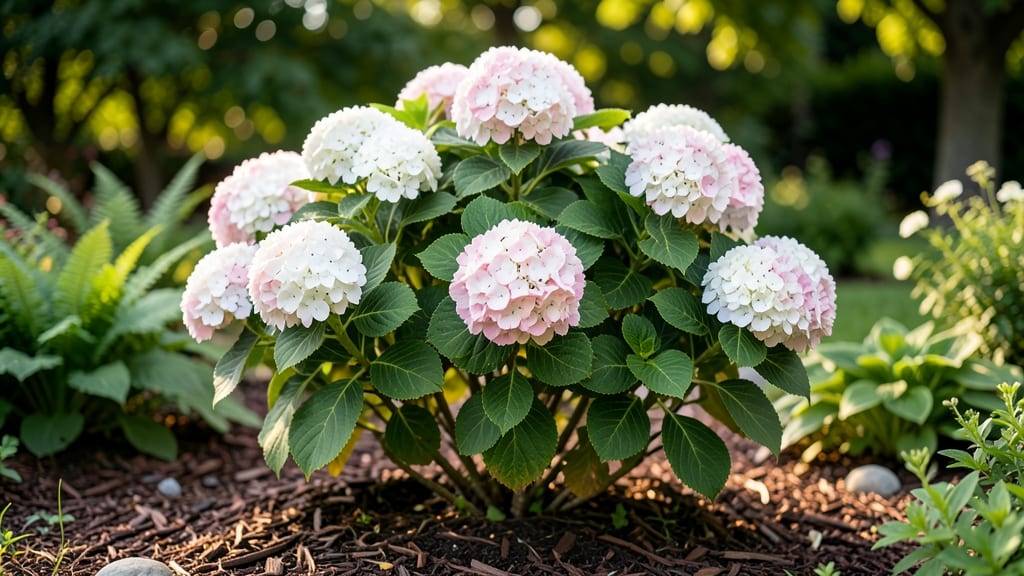
White blossom shrubs transform gardens into dreamy, romantic landscapes—think cloud-like hydrangeas or the intoxicating fragrance of lilacs. 🌸 These stars of spring and summer aren’t just pretty; they’re the backbone of cottage gardens, modern borders, and even bold hedges.
I’ve designed entire garden schemes around their soft, airy blooms, and they always steal the show.
The key to their magic lies in placement: tuck them along pathways where their scent drifts with the breeze, or use them as a backdrop for vibrant perennials like black-eyed Susans or salvias.
For a low-maintenance look, abelia’s delicate white flowers pair perfectly with lavender or rosemary, creating a fragrant, drought-tolerant border. Even in small spaces, a single mock orange shrub becomes a focal point with its creamy blossoms and citrusy perfume.
What you’ll love most is how these shrubs layer texture and color—imagine the velvety green of hydrangea leaves contrasting with the crisp white of their blooms, or the way lilac’s purple-pink hues fade into soft white as the season progresses.
They’re the kind of plants that make neighbors stop and ask, “What’s that?”—and then want one for themselves.
For a cohesive look, pair them with plants that echo their elegance: daphnes for dark foliage contrast, weigelas for bold pops of color, or grasses to soften their edges. The result? A garden that feels effortlessly polished, no matter the season.
📚 In This Guide
- What you need
- Instructions
- Tips and common mistakes
- Wrapping up and next steps
What you need
- ● 1 cup white blossoms (e.g., satsuma, cherry, or hawthorn—fresh or dried works!)
- ● ½ cup raw honey (preferably local wildflower or clover for depth)
- ● ½ cup freshly squeezed citrus juice (mix of lemon, lime, or orange for brightness)
- ● ¼ cup water (adjust for consistency)
- ● 1 clean glass jar (16–24 oz, with an airtight lid)
- ● Fine-mesh strainer or cheesecloth (for filtering blossoms)
- ● Small saucepan (if sterilizing jars)
- ● Wooden spoon or spatula (for stirring)
- ○ Optional: Citrus zester (for garnish), food processor (if using dried blossoms)
- ● Blooming season (spring/summer for fresh flowers) or dried blossoms (available year-round).
- ● Time: 24–48 hours for infusion (longer = deeper flavor).
- ● Patience for straining and storing (keep refrigerated for up to 3 months).
Step-by-step guide to growing a white blossom shrub for floral arrangements
Here's how to cultivate a stunning white-blossom shrub that will bring elegance to your garden and floral displays.
🌱 Step 1: Select and Prepare the Right Location
Choose a spot with at least 6 hours of sunlight daily—most white-blossom shrubs thrive in full sun to partial shade. I prefer a location with morning sun and afternoon shade to prevent leaf scorch, especially in hot climates. Test your site by observing how sunlight moves across the area throughout the day.
Ensure the soil drains well—white-blossom shrubs despise soggy roots. If your soil is heavy clay, amend it with 2-3 inches of compost mixed into the top 12 inches. Work the compost in gently to avoid disturbing roots if the shrub is already planted.
🪴 Step 2: Plant with Proper Spacing and Depth
Dig a hole twice as wide as the root ball but only as deep as the container it came in. This prevents burying the stem too deeply, which can suffocate the plant. Gently remove the shrub from its container and loosen any circling roots with your fingers.
Place the shrub in the hole so the top of the root ball sits level with the surrounding soil. Backfill with native soil mixed with a slow-release fertilizer (follow package rates). Water deeply to settle the soil and eliminate air pockets. Space shrubs 3-5 feet apart depending on the mature size of your variety.
☀️ Step 3: Water and Mulch for Optimal Growth
Water deeply once a week during the first growing season, allowing the soil to dry out 2-3 inches below the surface between waterings. You'll know it's time to water when the top layer of soil feels dry to the touch. Overwatering leads to root rot, so resist the urge to water lightly every day.
Apply 2-3 inches of mulch around the base of the shrub, keeping it 3 inches away from the stem. Use organic mulch like shredded bark or pine needles to retain moisture and regulate soil temperature. Replenish mulch annually as it breaks down—this ensures consistent protection year-round.
✂️ Step 4: Prune for Shape and Encourage Blooms
Prune immediately after flowering to maintain shape and encourage next year's blooms. Remove dead, damaged, or crossing branches first, cutting back to the nearest bud or branch junction. I use clean, sharp pruners to make 45-degree cuts just above a leaf node to promote healthy regrowth.
Shape the shrub by thinning out interior branches to allow light and air circulation. Avoid heavy pruning in late summer—this can stimulate tender growth that won't harden off before winter. Instead, focus on light shaping to maintain an open, airy form that showcases those stunning white blossoms.
🌿 Step 5: Fertilize and Monitor for Pests
Apply a balanced, slow-release fertilizer in early spring as new growth begins. I use a 10-10-10 formula at half the recommended rate to avoid burning tender roots. Water the shrub thoroughly before and after applying fertilizer to help distribute nutrients evenly.
Check leaves regularly for signs of pests like aphids or spider mites. I spray affected areas with neem oil (mixed according to package instructions) at the first sign of trouble. White-blossom shrubs are generally low-maintenance, but early intervention prevents infestations from becoming unmanageable.
Tips & tricks for perfect white blossom shrub infusions
These simple yet game-changing tips will help you maximize the floral potential of your white blossom shrub for those elegant citrus-honey creations.
Harvest Timing: The key to vibrant flavor lies in harvesting blossoms at their peak—right when they open fully but before they begin to wilt. I aim for early morning harvests when the dew has evaporated but the flowers are still fresh. This ensures maximum aromatic oils and prevents bitterness from developing. For consistent results, harvest every 2-3 days during peak bloom season, which typically lasts 3-4 weeks depending on your climate.
Preservation Strategy: To maintain those delicate floral notes, I recommend using a combination of air-drying and immediate infusion. After harvesting, gently shake off excess dew and spread blossoms in a single layer on a clean, breathable surface like a mesh screen. Once completely dry (about 5-7 days), store in an airtight container away from light. For immediate use in cocktails or desserts, I find that infusing fresh blossoms in honey (using a 1:2 blossom-to-honey ratio) captures the most complex flavors while preserving them for up to 6 months.
Infusion Technique: When creating your citrus-honey infusion, I've found that a slow, cold infusion method works best. Combine the blossoms with honey in a clean glass jar and let it sit at room temperature for 24 hours before refrigerating. This gradual process allows the floral compounds to properly extract without becoming bitter. For cocktails, I strain through a fine-mesh sieve and store the liquid separately from the honey base to control sweetness levels in each drink.
Pro Tips for White Blossom Shrub
- These simple yet game-changing tips will help you maximize the floral potential of your white blossom shrub for those elegant citrus-honey creations.
- Harvest Timing: The key to vibrant flavor lies in harvesting blossoms at their peak—right when they open fully but before they begin to wilt.
- Preservation Strategy: To maintain those delicate floral notes, I recommend using a combination of air-drying and immediate infusion.
Frequently asked questions
Got questions about your white blossom shrub? You’re not alone!
Here are some of the most common queries—plus quick, practical answers to keep your citrus-honey infusion game strong.
What’s the best way to store white blossom shrub?
Store your shrub in an airtight glass jar in the fridge for up to 3 months. If you notice mold (yuck!), toss it and start fresh. For longer shelf life, freeze it in ice cube trays—perfect for quick cocktail boosts!
How long does it take to infuse properly?
Patience pays off! Let your shrub sit for 3–5 days in the fridge, shaking gently every 24 hours. Taste-test after 3 days—if it’s still bland, give it 1–2 more days. Over-infusing? Strain and dilute with a splash of water or citrus juice.
Can I use white blossom shrub in savory dishes?
While it’s star in cocktails and desserts, a dash in marinades (like for grilled chicken or fish) or a glaze for roasted veggies adds a bright, floral twist. Balance with herbs (thyme or rosemary) to keep flavors harmonious.
My shrub smells fermented—what went wrong?
Fermentation happens if yeast or bacteria hitch a ride. To prevent it:
- Use sterilized jars (boil lids/jars for 5 mins).
- Store in the fridge immediately after prep.
- Avoid cutting citrus too thin (exposes more surface area).
What’s a good alternative if I don’t have white blossoms?
No blossoms? No problem! Swap them for:
- Elderflowers (delicate, floral notes).
- Jasmine tea bags (steeped in warm water, then cooled).
- Lavender buds (use sparingly—it’s potent!).
Wrapping up and next steps
Transforming your white blossom shrub into citrus-honey magic is easier—and more rewarding—than you think! Whether you’re stirring it into cocktails, drizzling it over desserts, or gifting it to fellow plant lovers, this recipe unlocks a world of floral brightness. 🌸✨
Ready to elevate your kitchen (or bar cart)? Start small—try a batch of shrub in your favorite sparkling water or pair it with a simple vanilla ice cream. Then, let your creativity bloom! Tag us in your creations—we’d love to see what you whip up next.