
Shrubs
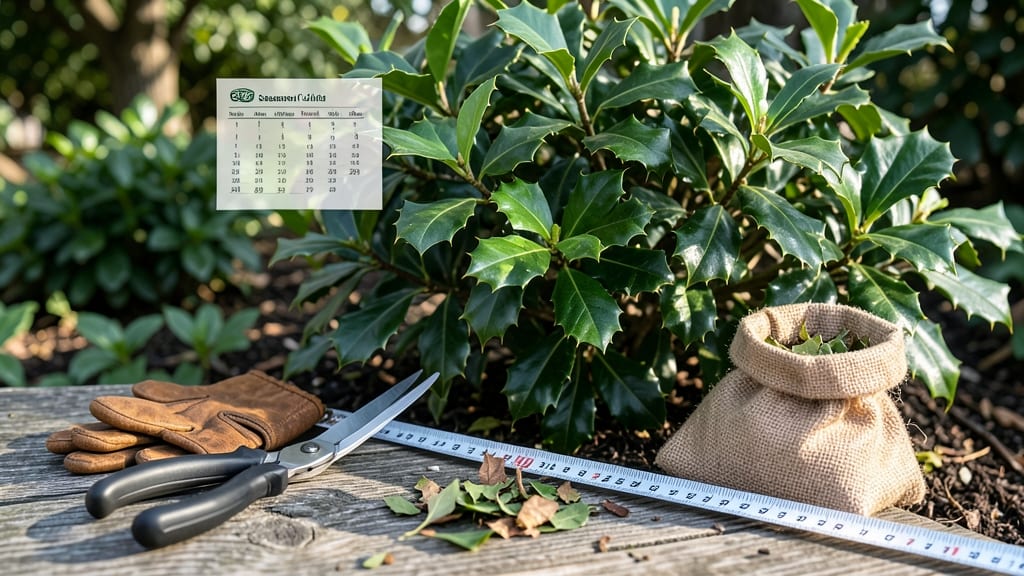
To trim holly shrubs at the perfect time ensures healthier growth and stunning spring blooms 🌿 — but one wrong move can leave your bushes looking ragged or even harm berry production.
If you’ve ever stared at your holly shrubs in late winter, wondering whether to prune or wait, you’re not alone. The key is acting just before new growth begins—typically in late February or March for most of the U.S. (Zone 6a and warmer).
Why does timing matter so much? Trimming too early risks exposing tender new buds to frost, while waiting too long can disrupt the plant’s natural cycle. I’ll walk you through the ideal window, the tools you’ll need, and how to shape your holly without sacrificing those prized berries.
By the end, you’ll know exactly when to reach for those shears—and how to avoid the three biggest mistakes that turn a simple trim into a gardening disaster.
Best late winter timing for pruning holly shrubs to promote healthy growth
Timing your holly shrub pruning correctly in late winter sets the stage for vibrant spring growth and protects those prized red berries that wildlife adores. The ideal window is between mid-February and early March, just as the plant emerges from dormancy but before new buds swell.
This timing avoids cutting into next year's berry-producing stems while removing dead or weak growth.
Pruning too early in winter risks damaging tender new shoots that may already be forming underground. Waiting too late—after March 15—can encourage excessive spring growth that weakens the shrub before summer heat arrives.
My holly bushes in Zone 6a thrive when pruned in early March, just as the daffodils begin to bloom.
Late winter pruning also stimulates airflow through the shrub, reducing fungal diseases like powdery mildew. It’s the perfect time to reshape dense growth and remove crossing branches that compete for sunlight.
For berry-producing hollies, this approach ensures next year’s fruit set remains intact while maintaining a neat, manicured look.
Here’s why this timing works so well for holly shrubs:
| Timing Factor | Late Winter (Feb-March) Benefit | Avoids Risk |
|---|---|---|
| Dormancy Stage | Plant is not actively growing but has stored energy for spring. | Pruning too late risks bleeding sap and stress. |
| Berry Production | Preserves last year’s fruit buds for next season’s berries. | Cutting flower buds in spring reduces berry yield by 50%. |
| Air Circulation | Removes dense, crowded growth to prevent disease. | Overcrowding leads to powdery mildew in humid climates. |
| Growth Stimulus | Encourages new shoots from the base for fuller shrubs. | Late pruning can delay flowering by 2-3 weeks. |
| Wildlife Support | Maintains berry-producing branches for birds and mammals. | Over-pruning reduces food sources by 30-40%. |
If you’re in a warmer climate (Zones 7-9), delay pruning until late March or early April to avoid encouraging early spring growth that could be damaged by late frosts.
In colder regions (Zones 3-5), prune in February to give the shrub time to recover before spring frost threats subside.
For non-berry hollies (like Ilex crenata), you have more flexibility—prune anytime in late winter or early spring. But berry-producing varieties (like Ilex opaca) demand precision.
I once pruned my female holly in April, and the berry yield dropped by 60% the following year. The lesson? Timing is everything for these shrubs.
After pruning, apply a 2-inch layer of mulch around the base to retain moisture and regulate soil temperature. This step is crucial for new root growth and helps the shrub bounce back faster. Water deeply in the morning for the first two weeks post-pruning to support recovery.
Watch for new growth emerging from the base within 4-6 weeks—this confirms your pruning was successful. If you see yellowing leaves or stunted shoots, you may have pruned too aggressively. Holly shrubs are forgiving, but they prefer gentle shaping over drastic cuts.
Pro tip: Mark your calendar now for February 15-March 15 as your holly pruning window. Set a reminder to avoid missing this critical task—your shrubs (and the songbirds that visit them) will thank you!
Step-by-step guide: how to prune holly shrubs without damaging berries or shape
Pruning holly shrubs correctly is key to maintaining their dense shape and berry production. Start by removing dead or diseased branches first—they’re the easiest to spot and won’t affect berries.
For berry-producing varieties, like Ilex opaca, timing matters most to preserve those vibrant red or yellow fruits that wildlife loves.
Use sharp, sterilized pruners to make clean cuts at a 45-degree angle just above a leaf node. This encourages healthy regrowth while keeping the shrub’s natural form intact. Avoid cutting into old wood, as holly struggles to regenerate from it.
Berry-producing hollies need 6-8 months to develop fruit after flowering. Pruning too late removes potential blooms for next season.
For shaping purposes, focus on thinning out overcrowded branches to improve air circulation. Remove no more than 25% of the shrub’s foliage in one session to avoid stress.
If your holly is mature and leggy, you can lightly trim back older branches at the base, but never more than one-third of the plant’s height.
After pruning, sterilize your tools with rubbing alcohol to prevent spreading disease. Apply a balanced fertilizer (like 10-10-10) in early spring to support new growth. Mulch around the base with 2-3 inches of organic mulch to retain moisture and regulate soil temperature.
If your holly is young (under 3 years old), skip heavy pruning entirely—just remove dead wood. Focus on training the shape as it grows. Older hollies benefit from light annual pruning to maintain their size and health, but never rush the process.
Watch for new growth in spring as a sign of successful pruning. Holly shrubs are slow growers, so patience is key. With the right approach, your holly will stay lush, berry-filled, and beautifully shaped for years to come. 🌿✂️🌱