
Shrubs
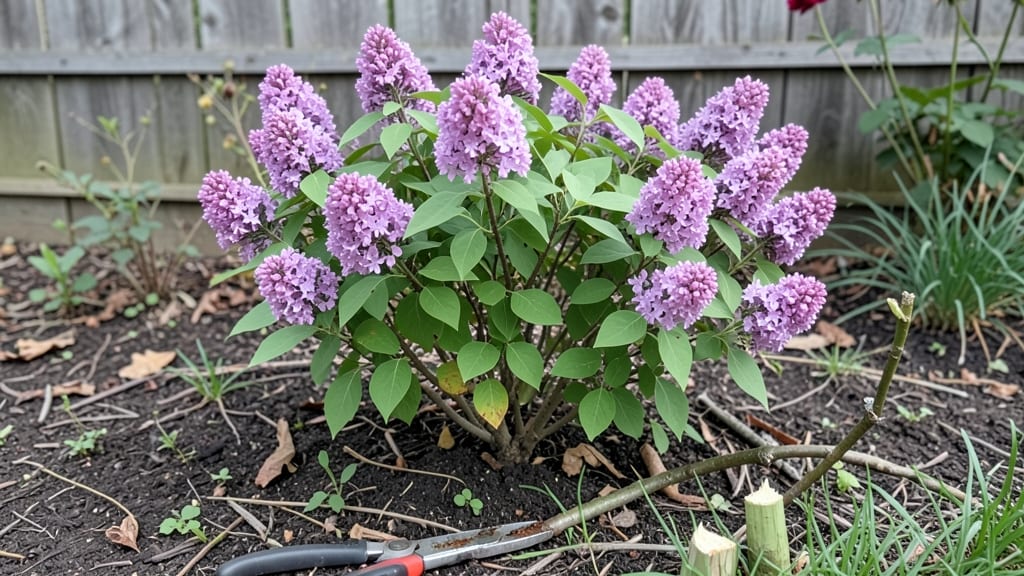
Pruning a lilac shrub at the right time ensures vibrant blooms and healthy growth for years to come 🌸 — and timing it wrong can leave you with sparse flowers or even no blooms at all.
Struggling to keep your lilac shrubs blooming beautifully year after year? The timing of your pruning can make all the difference between vibrant flowers and sparse growth.
Most gardeners think pruning lilacs means cutting back after winter, but that’s actually the worst time. The key is to wait until late spring or early summer, right after the flowers fade, to encourage next year’s blooms.
In this guide, I’ll walk you through the best pruning windows, what to avoid, and how to shape your lilacs for maximum beauty without sacrificing next season’s flowers.
Best time to prune lilac shrubs for maximum blooms
Timing your lilac pruning correctly is the secret to abundant blooms and a healthy shrub. Unlike many plants, lilacs bloom on old wood, meaning their flowers develop on branches from the previous year.
Pruning at the wrong time can reduce next year's blooms or even weaken the plant. The key is understanding how lilacs grow and when they're most resilient to pruning.
Lilacs follow a two-year growth cycle: they produce flowers on last year's wood and grow new stems for next year's blooms. This natural cycle explains why late spring and late summer/early fall are the optimal pruning windows.
Each timing serves a different purpose—one for encouraging new growth and another for shaping and hardening the plant before winter.
Pruning immediately after flowering, typically in late May or June, removes spent blooms and stimulates new growth for next year's flowers. This is when lilacs are most resilient because they've already completed their flowering cycle and are entering their growth phase.
Cutting back 1/3 of the oldest wood at the base encourages the shrub to produce stronger, more vigorous stems for the following spring.
The late summer/early fall window, around August to early September, is ideal for shaping and rejuvenating your lilac. By this time, about 60% of the new growth has hardened off, making the shrub less vulnerable to winter damage.
This is the perfect time to trim back overgrown branches, remove suckers or water sprouts, and reshape the shrub for a neater appearance.
Scientifically, lilacs enter a dormant phase in late fall, which is their natural survival mechanism against cold temperatures. Pruning in late summer allows the shrub to harden off before winter, reducing stress.
If you prune too late—after September—you risk delaying next year's blooms because the plant won't have enough time to develop new growth before dormancy.
For young lilacs, focus on light pruning to establish a strong structure. Remove any dead or crossing branches immediately after flowering, but avoid heavy pruning until the shrub is at least 3 years old.
Over-pruning young lilacs can stunt their growth and reduce flowering potential for years to come.
If your lilac is overgrown or leggy, the late summer/early fall pruning window is your best bet. This is when you can rejuvenate the shrub by cutting back older stems to the ground while leaving younger stems to continue growing.
Just be sure to sterilize your tools to prevent the spread of disease, especially if your lilac has been struggling.
One common mistake is pruning lilacs in early spring, which can encourage early leaf growth that's vulnerable to late frost damage. Always wait until after the flowers have fully faded to prune.
Another pitfall is cutting into old wood too aggressively, which can reduce next year's blooms since lilacs rely on last year's stems for flowering.
Regional differences can slightly shift pruning timelines, especially in warmer climates where lilacs may bloom earlier. In USDA Zones 5-7, late spring pruning typically falls in May or June, while late summer pruning is best done by early September.
In warmer zones (8-9), lilacs may bloom as early as March or April, so adjust your pruning schedule accordingly.
Remember, the goal of pruning lilacs is to balance beauty and health. With the right timing, your shrubs will reward you with vibrant, fragrant blooms year after year. Start with light pruning, observe how your lilac responds, and adjust your approach as needed. Happy pruning! ✂️🌸
Step-by-step lilac pruning guide: tools and techniques
Pruning your lilac shrubs correctly ensures vibrant blooms and a healthy structure. The right tools and technique make all the difference—whether you're doing light maintenance or rejuvenation pruning.
With the proper approach, you can keep your lilacs thriving for years. Let’s break down the essentials so you can prune with confidence.
Before you begin, gather your pruning tools. You’ll need sharp bypass pruners for smaller branches, loppers for thicker stems, and gloves to protect your hands. A sterilizing solution, like rubbing alcohol, helps prevent the spread of diseases between cuts.
Keep a bucket or bag handy for debris, and wear comfortable clothing to avoid scratches from thorns.
When to Prune a Lilac Shrub
- 🌸 Immediately After Flowering: Prune in late spring (May-June) once blooms fade. This encourages new growth for next year’s flowers.
- 🌿 Late Summer/Early Fall: Shape the shrub in August-September after 60% of new growth has hardened. Avoid pruning too late, as it can delay flowering.
- ❄️ Avoid Winter Pruning: Never prune in winter, as dormant buds are set for next year’s blooms. Late winter cuts can remove potential flower stems.
- ☀️ Regional Adjustments: In warmer climates, prune slightly later in fall. In colder zones, finish by early September to allow recovery before frost.
Start by removing dead or diseased wood. Look for branches that are brown, brittle, or lacking leaves. Cut these back to the main stem or until you reach healthy tissue.
This step improves air circulation and reduces the risk of fungal infections. Use your pruners to make clean cuts at a 45-degree angle just above a bud or lateral branch.
Next, focus on thinning out crowded branches. Lilacs bloom on old wood, so avoid cutting back into last year’s growth. Instead, remove suckers or water sprouts—these are fast-growing shoots that drain the shrub’s energy.
Cut these back to the ground level. For shaping, trim branches that cross or rub against each other to maintain an open, airy structure.
For overgrown lilacs, consider rejuvenation pruning. This involves cutting back one-third of the oldest wood at the base each year over 3 years. Start with the oldest stems first, as these produce fewer blooms.
After pruning, water deeply and apply a balanced fertilizer to help the shrub recover. Mulch around the base to retain moisture and protect roots.
Finally, clean up your workspace. Remove all pruned debris from the area to prevent pests and diseases from taking hold. Sterilize your tools with rubbing alcohol to kill any lingering pathogens.
Proper cleanup ensures your lilacs stay healthy and blooming for seasons to come. With these steps, your lilacs will reward you with fragrant, abundant flowers year after year. ✂️