
Planting
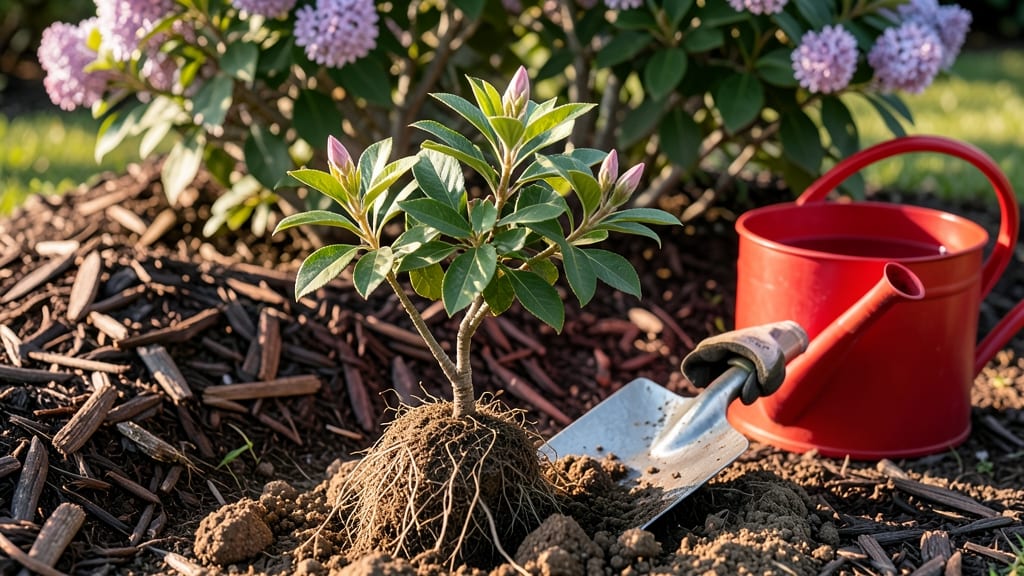
The best time to plant new shrubs is early spring or fall, when soil is cool and moisture levels are ideal for root growth 🌿.
Planting shrubs at the wrong time can mean struggling growth and wasted effort—but timing it perfectly ensures deep roots, faster establishment, and a thriving landscape for years.
In Zone 6a, where many gardeners live, the ideal window is between March and April or September and October, avoiding the heat stress of summer or the frost risks of winter.
Below, I’ll break down the exact months for your region, soil prep secrets, and the one mistake that kills 90% of new shrubs before they even take hold.

Zone-by-zone planting timeline for shrubs: when to dig in for maximum success
Timing your shrub planting can make the difference between a thriving landscape and years of frustration. The USDA hardiness zones guide your decisions—each zone has distinct frost-free windows and seasonal patterns that dictate when to plant deciduous vs. evergreen shrubs.
In colder zones (3-6), aim for early spring planting, while warmer zones (7-10) offer longer fall windows. Let’s break down the best months for your region to ensure deep root establishment and faster growth.
Evergreen shrubs like boxwoods or holly need special attention—they’re vulnerable to winter desiccation if planted too late. Deciduous shrubs such as hydrangeas or azaleas thrive when planted in cooler months, avoiding summer heat stress.
Below, we’ll map out the ideal planting windows for each zone, including key frost dates and seasonal considerations to help you plan like a pro.
In zones 3-4, where winters are harsh, focus on early spring planting (April–May) to give shrubs time to establish roots before the first frost. Fall planting is also viable in September, but avoid late fall—young roots won’t survive freezing.
For evergreens, prioritize fall planting to reduce winter stress from drying winds.
Gardeners in zones 5-6 enjoy a longer window—plant deciduous shrubs in spring (April–May) or early fall (September–October). Evergreens should go in late summer or early fall to prevent winter desiccation. Check your local last frost date; planting 4–6 weeks before ensures roots establish before cold sets in.
Warmer zones 7-8 offer flexibility, but avoid summer heat. Plant deciduous shrubs in spring (March–April) or fall (September–November). Evergreens thrive in fall or early spring, as summer drought can stress newly planted shrubs. Monitor soil moisture—these zones often experience dry spells.
In zones 9-10, where frost is rare, winter planting (November–February) is ideal for deciduous shrubs, while evergreens should go in winter to avoid summer heat stress. The key is to plant when soil temperatures stay above 60°F but aren’t scorching. Mulch heavily to retain moisture.
Pro tip: Always amend soil with compost before planting—shrubs need well-draining soil to thrive. Water deeply after planting to encourage root growth, and avoid fertilizing until new growth appears in spring. Timing isn’t just about months; it’s about soil conditions and weather patterns in your microclimate.
For container-grown shrubs, you can plant year-round in mild zones, but bare-root shrubs need cooler soil. If you’re unsure about your zone, check the USDA Plant Hardiness Zone Map or ask your local cooperative extension service for tailored advice.
With the right timing, your shrubs will reward you with years of lush growth and vibrant blooms.
Remember: Deciduous shrubs planted in fall often outperform spring plantings because they establish roots before dormancy. Evergreens, however, need careful timing to avoid winter damage—always prioritize fall for these tough but delicate plants. 🌿
5 Critical factors that determine the best planting time for your shrubs
When planning to plant new shrubs, most gardeners focus on seasons—but the real magic happens in the details. The best time to plant new shrubs depends on more than just spring or fall. Soil temperature, rainfall patterns, and even your local microclimate play huge roles.
For example, hydrangeas thrive when planted in cooler soil, while boxwoods prefer slightly warmer conditions. Ignoring these factors can lead to stunted growth or even plant failure. Let’s break down what truly matters for success.
Local weather patterns are your first clue. Regions with high summer rainfall may benefit from early spring planting, while drier areas might wait until fall. Microclimates—like a sunny south-facing slope or a shaded woodland edge—can shift ideal timing by weeks.
Even soil temperature thresholds vary: some shrubs need soil at 50°F or warmer to root properly, while others struggle above 75°F. Understanding these nuances ensures your shrubs establish strong roots before stress sets in.
- Soil Temperature: Most shrubs root best when soil is between 50°F and 75°F. Use a soil thermometer to check—cool-season shrubs like azaleas prefer 50°F-60°F, while warm-season oleanders need 65°F-75°F.
- Rainfall Patterns: Plant during moderate rainfall months to reduce watering needs. Drought-prone areas? Aim for fall planting to leverage winter moisture. Check your local 10-year rainfall averages for clues.
- Local Microclimates: A south-facing slope warms faster than a north-facing yard. Adjust timing by 2-4 weeks if your spot heats up quicker. Evergreens in windy areas need extra protection—plant them earlier to establish roots before winter winds.
- Shrub Type: Deciduous shrubs (like hydrangeas) love early spring or fall, while evergreens (like boxwoods) prefer fall planting. Flowering shrubs need time to root before blooming—plant 6-8 weeks before first frost.
- Moisture Retention: Clay soils stay moist longer, so they’re ideal for late spring planting. Sandy soils dry out fast—plant early fall to take advantage of cooler temps and natural rainfall. Always amend soil with compost to improve water retention.
Don’t overlook the moisture balance in your planting window. Shrubs planted during prolonged dry spells struggle to establish roots, while soggy conditions can lead to root rot. For instance, rhododendrons need consistently moist soil but hate waterlogged roots.
If your area has heavy summer rains, spring planting might be riskier than fall. Always monitor weather forecasts and adjust your timeline accordingly.
Another often-missed factor is pest and disease pressure. Planting during peak pest seasons (like late spring) can expose young shrubs to aphids, spider mites, or fungal diseases. Fall planting, however, reduces this risk.
For example, butterfly bushes planted in early fall have a better chance of avoiding early-season pests. Use organic mulch to deter pests and retain moisture once planted.
Finally, container-grown vs. bare-root shrubs have different ideal planting times. Container-grown shrubs can handle warmer soil and are often planted in late spring, while bare-root varieties need cooler soil and are best planted in early spring or fall.
Always check the nursery tags for specific guidance—some hydrangeas, for instance, ship bare-root in winter and must be planted immediately upon arrival.
By paying attention to these five critical factors, you’ll avoid common pitfalls and give your shrubs the best possible start. The key is observation: monitor your soil, track local weather, and match your shrub’s needs to the conditions.
With the right timing, your new plants will thrive for years—not just survive the first season. 🌿