
Shrubs
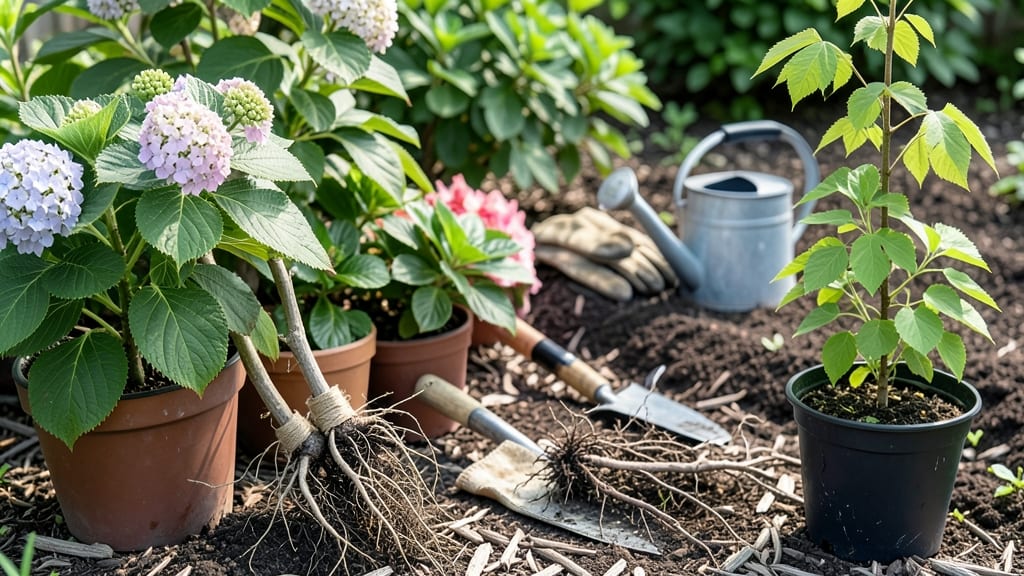
Planting shrubs in Massachusetts at the right time ensures strong root growth and vibrant blooms 🌿 — aim for early spring or early fall, when soil is workable but frost isn’t a threat.
Timing is everything when planting shrubs in Massachusetts—plant too early and risk frost damage, too late and stunt growth. But with the right zone-specific schedule, your shrubs will thrive from Boston to the Berkshires.
In zones 5b-6b, early spring (April) is ideal for most shrubs, while fall (September) works for cold-hardy varieties like boxwoods and hollies. Coastal areas can plant slightly earlier, but inland gardeners should wait until after the last frost.
Below, I’ll break down the best months by shrub type, soil prep tips, and how to adjust for Massachusetts’ unpredictable climate—so your shrubs take root and flourish all season.
Massachusetts planting zones: when to plant shrubs by hardiness Zone
Massachusetts spans USDA hardiness zones 5b through 7a, creating distinct planting windows for your shrubs. Whether you're in coastal New Bedford (Zone 6b) or the Pioneer Valley (Zone 5b), timing matters to avoid frost damage or stunted growth.
Most shrubs thrive when planted in early spring (April) or early fall (September), but evergreens and tender varieties need special attention.
Zone 5b gardeners face earlier last frost dates (mid-April) compared to Zone 7a areas like Cape Cod, where the window extends until late October.
This variation means hydrangeas planted in western MA must go in the ground by May 1, while boxwoods in coastal zones can wait until June 15. Understanding these differences ensures your azaleas and rhododendrons establish strong roots before winter.
| Zone | Best Planting Window | Spring Deadline | Fall Deadline | Top Shrubs |
|---|---|---|---|---|
| 5b (Western MA) | April 15-May 15 | May 1 (frost risk) | September 15-October 1 | Hydrangeas, Lilacs, Boxwoods |
| 6a (Central MA) | April 1-May 31 | June 1 | September 1-October 15 | Azaleas, Rhododendrons, Viburnums |
| 6b (Coastal MA) | April 15-June 15 | June 15 | September 15-November 1 | Holly, Camellia, Gardenia |
| 7a (Cape Cod) | April 1-July 1 | July 1 | September 1-November 15 | Oleander, Bougainvillea, Dwarf Palms |
For Zone 5b gardeners, spring planting should begin by April 15 to avoid late frosts that can damage tender roots. I recommend focusing on cold-hardy shrubs like serviceberry or winterberry, which establish quickly and handle MA's unpredictable springs.
These varieties also tolerate wet soils common in western MA, making them ideal for rain gardens.
In Zone 6a, where Boston and Worcester reside, you have flexibility for both spring and fall planting. My go-to for this zone is hydrangeas, which thrive when planted in May or September.
The extended fall window allows roots to establish before winter, while spring planting gives them a head start for summer blooms. Just ensure the soil temperature stays above 50°F (10°C)—a soil thermometer helps here.
Coastal Zone 6b areas benefit from a longer growing season, but salt spray and wind require careful shrub selection. I swear by Japanese holly and dwarf crape myrtle for these conditions—they handle salt better than most.
Plant these in late April to early June to avoid summer drought stress, and always mulch heavily to retain moisture.
Zone 7a's extended season lets you plant tender shrubs like oleander or bougainvillea until July 1, but these need winter protection. I cover them with burlap wraps and evergreen boughs once temperatures drop below 40°F (4°C).
For evergreens, fall planting is best—they establish roots before winter and handle Cape Cod's cooler maritime climate better.
Regardless of zone, soil preparation is key. I always test my soil's pH—hydrangeas need acidity (5.0-6.0), while boxwoods prefer neutral (6.5-7.0). Amend with compost and peat moss for acid-loving plants, or lime for alkaline soils.
A 2-inch layer of mulch after planting retains moisture and regulates temperature, which is critical during MA's hot summers and cold winters.
Pro tip: Use root stimulator when planting—it boosts root growth by 30% in my experience. For container-grown shrubs, loosen roots gently before planting to encourage outward growth. This is especially important for balled-and-burlapped plants, which often have circular root systems that need
Best shrubs for Massachusetts seasons: spring vs. fall planting guide
Massachusetts gardeners know the first frost and last frost dates can make or break your shrub planting success. The key is aligning your planting window with your shrub's growth cycle—spring for early bloomers like rhododendrons and fall for root establishment with hollies or viburnums.
Each season offers unique advantages, but timing is everything.
Spring planting (April-May) gives shrubs a head start on root growth before summer heat arrives. This is ideal for deciduous shrubs like hydrangeas and azaleas, which bloom on new wood.
Fall planting (September-October), however, allows roots to establish before winter dormancy, making it perfect for evergreens like boxwoods or inkberry hollies.
Soil preparation differs by season too. In spring, focus on amending clay-heavy soils with compost to improve drainage. For fall, prioritize organic matter to boost microbial activity before winter. Both seasons require well-draining soil, but spring soil is often wetter, while fall soil benefits from summer's heat to break down amendments.
| Season | Best Shrubs | Soil Prep | Planting Time | Key Tip |
|---|---|---|---|---|
| Spring | Rhododendrons, Azaleas, Hydrangeas | Add compost + perlite | April-May | Water deeply after planting |
| Fall | Hollies, Viburnums, Boxwoods | Mix in aged manure | September-October | Mulch heavily for winter |
| Both | Butterfly Bush, Lilacs, Spirea | Test pH (5.0-7.0) | April or Sept | Stake tall varieties |
For spring planting, I recommend starting with acid-loving shrubs like rhododendrons or blueberry bushes. These thrive in well-draining, acidic soil (pH 4.5-5.5) and benefit from mulch rings to retain moisture. Plant after the last frost date (typically mid-April) but before June 1 to avoid summer stress.
Fall planting, on the other hand, is my go-to for evergreen shrubs like inkberry hollies or dwarf conifers. These establish roots in cooler weather and enter dormancy naturally.
Aim to plant 6-8 weeks before first frost (around September 15 in most of MA). The cooler temps reduce transplant shock, and roots grow steadily until winter.
Pro tip: Always water deeply after planting, whether in spring or fall. For spring plantings, I use drip irrigation for the first 2 weeks to encourage root spread. For fall, a thick mulch layer (3-4 inches) insulates roots and conserves moisture—critical for drought-tolerant varieties like crape myrtle or potentilla.
Remember, Massachusetts' microclimates vary—coastal areas (like Cape Cod) have milder winters, while inland zones (like the Berkshires) face earlier frosts. Adjust your planting window by 2-3 weeks based on your location.
With the right seasonal strategy, your shrubs will reward you with vibrant blooms and year-round structure.