
Shrubs
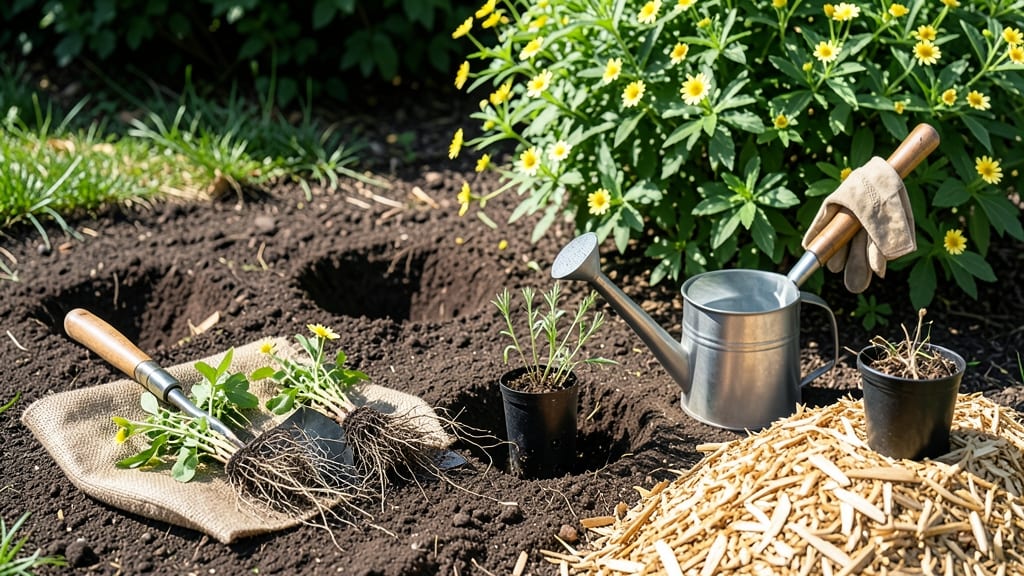
Planting shrubs in Colorado at the right time—between late spring and early fall—sets the stage for thriving growth 🌿, especially with the state’s variable frost dates and high-altitude challenges.
Miss the window, and your shrubs could face transplant shock or freeze before rooting. I’ve watched young evergreens wilt in a late frost, and deciduous varieties struggle to establish in scorching summer heat. Timing isn’t just about the calendar—it’s about soil temperature, microclimates, and even elevation.
Colorado’s USDA Zones 4-8 mean your planting schedule should shift from Denver’s urban heat islands to the cooler Rocky Mountain foothills. The key? Waiting until the last frost has passed (mid-April in Zone 4, earlier in Zone 8) and soil warms to 60°F+.
In this guide, I’ll break down the perfect planting months for your zone, the best shrubs for Colorado’s climate, and how to prep soil for long-term success—so your shrubs take root strong and stay healthy year-round.
Colorado planting Zones: when to Plant shrubs by USDA Zone (5-8)
Colorado’s USDA Zones 5-8 create a unique challenge for gardeners, with microclimates varying dramatically between Denver’s urban heat islands and the cooler high plains. Unlike coastal regions, Colorado’s elevation shifts (from 5,000 to 10,000 feet) and dry climate demand precise timing for shrub planting.
Plant too early, and frost will damage tender roots; too late, and your shrubs won’t establish before winter. The key? Understanding your last frost date and soil temperature trends.
Most Colorado gardeners focus on spring planting (April-May) when soil warms to 60°F+, but fall planting (September-October) works for drought-resistant varieties like cotoneaster or buffaloberry.
Denver’s Zone 5b typically sees its last frost around April 15, while Colorado Springs’ Zone 5a holds onto cold until May 1. Meanwhile, Zone 8’s Pueblo area can plant as early as March 15—but verify with your local Cooperative Extension office.
| USDA Zone | Last Frost Date | Ideal Planting Window | Soil Temp Goal | Microclimate Notes |
|---|---|---|---|---|
| Zone 5a (5,000-6,000 ft) | April 15-May 1 | April 20-May 15 | 60°F+ | Cooler nights; wind exposure in plains |
| Zone 5b (6,000-7,000 ft) | April 1-May 10 | April 15-May 30 | 60°F+ | Denver/Boulder urban heat islands |
| Zone 6a (7,000-8,000 ft) | March 20-April 10 | March 30-April 20 | 55°F+ | Fort Collins; shorter growing season |
| Zone 7a (8,000-9,000 ft) | March 1-March 15 | March 15-April 5 | 50°F+ | Pueblo; arid conditions |
| Zone 8a (9,000-10,000 ft) | February 15-March 1 | February 28-March 15 | 45°F+ | Albuquerque edge; dry heat |
For spring planting, aim for 2-4 weeks after your last frost date when soil temperatures consistently stay above 60°F. In Zone 5b (Denver/Boulder), this often lands in late April, while Zone 7a (Pueblo) can start as early as mid-March.
Always test soil moisture—dry, sandy soils warm faster than clay-heavy areas. Pro tip: Use a soil thermometer ($10 at garden centers) to confirm readiness, especially for tender shrubs like lilac or forsythia.
Fall planting offers advantages for drought-tolerant shrubs like Russian olive or sumac, as cooler temps reduce transplant shock. In Zone 5a, plant by September 15 to allow roots to establish before first frost (typically October 15).
In Zone 8a, extend your window until October 15. Water deeply 1-2 weeks before planting to encourage root growth, then mulch with 3-4 inches of wood chips to insulate roots.
Don’t overlook microclimate adjustments. Urban Denver’s heat island effect can push planting dates 1-2 weeks earlier than rural areas, while Colorado Springs’ valley floors may need late-April starts due to cold air pooling.
High-altitude gardens (e.g., Boulder’s flatirons) often require container-grown shrubs for flexibility. For wind-prone sites (common in plains regions), plant windbreaks like evergreen junipers first to protect delicate shrubs.
Colorado’s dry climate means watering schedules directly impact survival. After planting, water deeply 2-3 times
Best shrubs for Colorado’s climate and their optimal planting months
Colorado’s unique climate demands shrubs that thrive in dry conditions and temperature swings. The right timing ensures strong root establishment before winter. I’ve selected 10 top-performing shrubs that handle Colorado’s USDA Zones 5-8 with ease, along with their ideal planting windows.
For high-altitude areas (Zones 5-6), aim for late April to early May planting. In lower elevations (Zones 7-8), early April or late September works best. Each shrub’s needs vary—some prefer moist soil, while others thrive with minimal water once established.
🌱 Top 10 Colorado Shrubs & Planting Tips
- 📅 Colorado Blue Spruce – Plant in April-May (Zones 5-7). Prefers well-draining soil and full sun. Water deeply weekly first year.
- 📅 Serviceberry – Best planted in early spring (March-April). Tolerates partial shade and moist soil. Mulch heavily to retain moisture.
- 📅 Ninebark – Ideal for April-May or September. Thrives in dry soil and full sun. Prune in late winter for shape.
- 📅 Butterfly Bush – Plant in April-May (Zones 5-9). Loves sun and heat. Water bi-weekly until established.
- 📅 Russian Olive – Best in April-May. Extremely drought-tolerant once rooted. Avoid overwatering.
- 📅 Potentilla – Plant in early spring (March-April). Prefers well-draining soil and full sun. Deadhead blooms for continuous flowers.
- 📅 Smokebush – Ideal for April-May. Thrives in partial shade and moist soil. Prune in late winter.
- 📅 Spirea – Plant in April-May or September. Loves sun and dry soil. Shear after flowering for bushier growth.
- 📅 Crabapple – Best in early spring (March-April). Needs well-draining soil and full sun. Water deeply weekly first year.
- 📅 Yarrow – Plant in April-May. Extremely drought-resistant. Thrives in poor soil and full sun.
Before planting, amend your soil with compost to improve drainage, especially in clay-heavy areas. For container-grown shrubs, remove from pots and loosen roots before placing in the ground. This encourages faster root spread in Colorado’s dry, windy conditions.
After planting, water deeply to settle soil around roots. For newly planted shrubs, maintain consistent moisture for the first 60 days. Once established, most shrubs need water only during drought. Mulch with 2-3 inches of organic material to retain moisture and suppress weeds.
Colorado’s late-summer heat can stress young shrubs. In Zones 7-8, consider fall planting (September) to give roots time to establish before winter. Always check local frost dates—planting too early in high-altitude areas risks frost damage.
With the right shrubs and timing, your Colorado garden can flourish year-round. Start with these hardy varieties, and you’ll enjoy low-maintenance beauty that stands up to the state’s challenges. Happy planting! 🌿