
Pruning
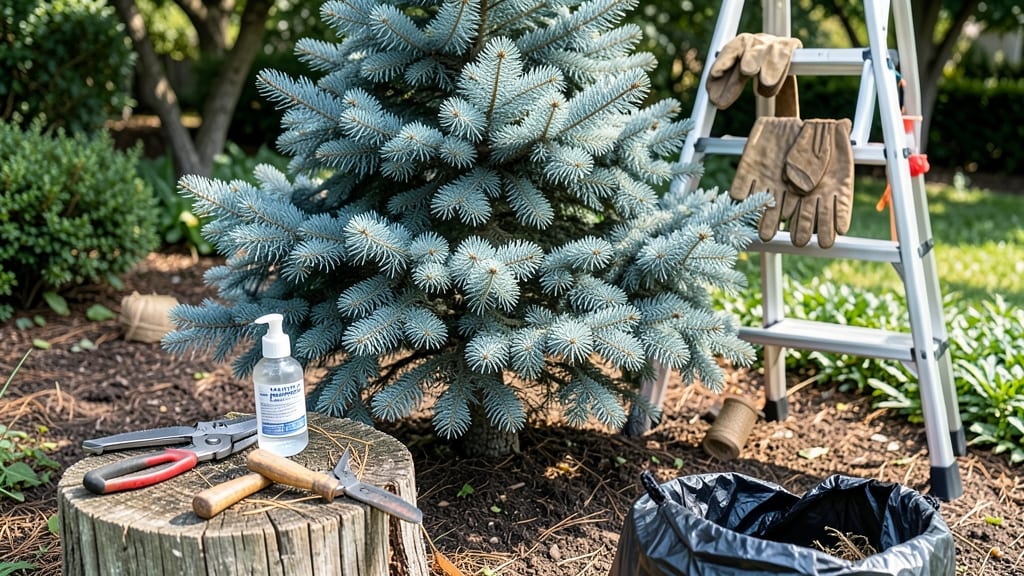
Trimming blue spruce shrubs keeps them vibrant and healthy year after year. 🌲 I’ve learned that the right timing and technique make all the difference—especially when you want to maintain that perfect conical shape without stressing the tree.
The key is working with the plant’s natural growth cycles, not against them.
You’ll need just a few tools: sharp pruning shears for fine cuts, loppers for thicker branches, and a sturdy ladder if your spruce is tall. Late winter or early spring is the best time to trim, when the tree is dormant but ready to burst into new growth.
Avoid heavy pruning in summer or fall, as it can stress the plant and leave it vulnerable to disease.
Start by removing any dead, broken, or crossing branches first—they’re easy to spot and won’t regrow. Then, shape the tree by trimming the outer branches to encourage a fuller, denser look.
Never cut into old, woody growth, as it won’t sprout back. A little patience here goes a long way toward keeping your spruce looking its best for decades.
This method works for both young saplings and mature trees, and the results are worth the effort. With the right approach, your blue spruce will stay lush, symmetrical, and healthy—no matter the season. Let’s get those shears ready!
📚 In This Guide
- What you need
- Instructions
- Tips and common mistakes
- Wrapping up and next steps
What you need
- ● Pruning shears: Bypass pruners (for small branches, 4–6 inches in diameter) – 1 pair (sharp, high-quality, like Felco or Fiskars).
- ● Loppers: For medium branches (½–2 inches thick) – 1 pair with long handles for reach.
- ● Pruning saw: For thick branches (2+ inches) – 1 saw with a curved blade (e.g., Bahco or Corona).
- ● Ladder or step stool: Sturdy and tall enough to reach the top of your spruce – 1 unit (ensure it’s rated for your weight).
- ● Heavy-duty gloves: Cut-resistant and waterproof – 1 pair (e.g., Mechanix or Worn Again).
- ○ Disposable pruning bags or tarp: To collect clippings – 1–2 units (optional but saves cleanup time!).
- ● Rake or leaf blower: For clearing fallen needles/branches – 1 tool.
- ○ Hose with nozzle: For post-pruning hydration – 1 unit (optional but helpful for recovery).
- ● Hand sanitizer or rubbing alcohol: To disinfect tools between cuts (prevents disease spread).
- ● String or measuring tape: For marking even cuts or maintaining symmetry.
- ● Safety glasses: Protects eyes from debris (especially when using a saw).
- ● Tree wound dressing: Not recommended for spruces (they heal naturally), but useful for other conifers.
- ● Check the weather: Trim on a dry, calm day (avoid wind or rain).
- ● Know your spruce’s growth season—avoid heavy pruning in late summer/fall to prevent winter dieback.
- ● Have a plan: Sketch or visualize your desired shape before starting!
Step-by-step guide to trimming blue spruce shrubs
Here's how I keep my blue spruces looking sharp and healthy all year—season by season.
🌿 Step 1: Spring Pruning for New Growth
Start in late March or early April, when new growth begins but before the buds fully open. This timing gives you the best chance to shape the shrub while encouraging fresh, vibrant foliage. I always work on a dry, sunny day—wet needles are slippery and make clean cuts harder.
Use sharp, clean pruning shears to make cuts just above a healthy bud or branch collar. Avoid cutting into old wood, as blue spruces heal slowly and may develop dead spots. For larger branches, I use loppers to make clean cuts without tearing the bark. Step back often to check your progress—you want a natural, balanced shape, not a geometric one.
Focus on removing crossing branches first, then any that are rubbing against each other or growing inward. These are the weak points that can invite disease. I also thin out the interior slightly to improve airflow, which helps prevent fungal issues. Remember, blue spruces grow slowly, so you won’t need to remove much—just enough to guide their natural form.
✂️ Step 2: Mid-Summer Maintenance for Shape and Health
In July or August, give your blue spruce a light trim to maintain its shape and encourage dense growth. This is more about tidying up than heavy pruning—think of it like a haircut to keep things looking neat. I avoid cutting into old growth during this time, as it can stress the plant and leave it vulnerable to pests.
Look for overly long branches that are stretching toward the sun and trim them back to a strong lateral branch. You can also lightly shear the outer edges to keep the shape round and full. Use hand pruners for small branches and loppers for anything thicker than your wrist. Always cut at a 45-degree angle just above a bud or branch collar to promote healing.
Here’s the thing—blue spruces are naturally dense, but they can get "lanky" if they don’t get enough light on the lower branches. If you notice bare spots at the base, gently thin out some of the upper branches to let light reach the lower foliage. This encourages new growth down low and keeps the shrub looking full from top to bottom.
⏰ Step 3: Fall Cleanup for Winter Readiness
In October or November, before the first hard frost, do a final light trim to remove any dead, diseased, or damaged branches. This is your chance to tidy up and prepare the shrub for winter. I focus on removing any branches that look brown or brittle—these won’t survive the cold and can harbor pests over the winter.
Use sterilized pruning shears to make clean cuts, and dispose of any diseased branches immediately. Avoid heavy pruning now, as new growth won’t have time to harden off before winter. Instead, just shape up the edges and remove anything that looks out of place. Blue spruces are evergreens, so they’ll hold onto their needles year-round, but keeping them healthy now means they’ll look their best in spring.
After trimming, I give the base of the shrub a 2-3 inch layer of mulch to protect the roots from freezing temperatures. This also helps retain moisture and keeps weeds down. Water deeply before the first freeze if your area hasn’t had much rain—hydrated roots are more resilient in winter. Step back and admire your work—your blue spruce should look neat, healthy, and ready to face the cold.
Tips & tricks for perfect blue spruce trimming
These simple tricks will help you keep your blue spruce looking sharp and healthy year after year.
Timing is Everything: The seasonal timing in the instructions is crucial—spring pruning in late March or early April encourages fresh growth, while summer maintenance in July or August keeps the shape neat without stressing the plant. In fall, that final cleanup in October or November prepares the shrub for winter. I always check my local frost dates to time the fall trim perfectly—just before the first hard frost is ideal. This seasonal rhythm ensures your blue spruce stays vibrant and healthy through all four seasons.
Tool Selection Matters: Using the right tools makes all the difference. Sharp, clean pruning shears are essential for making precise cuts that heal well. I keep a dedicated pair just for my blue spruces and sharpen them annually. For larger branches, loppers are a game-changer—they give you the leverage to make clean cuts without tearing the bark. Always sterilize your tools between cuts, especially when dealing with diseased branches, to prevent spreading any potential infections. This attention to tool maintenance keeps your shrub looking its best and prevents unnecessary stress on the plant.
Visual Cues for Perfect Cuts: When making cuts, look for the branch collar—the swollen area where the branch meets the trunk. This is where new growth will emerge, so always cut just above it at a 45-degree angle. For spring pruning, focus on removing crossing branches first—they create weak points that can invite disease. In summer, look for branches stretching toward the sun; these are prime candidates for trimming back to a strong lateral branch. These visual cues help you make decisions that maintain the natural shape while promoting healthy growth.
Seasonal Care Beyond Pruning: After your fall trim, don't forget the mulch! That 2-3 inch layer around the base protects roots from freezing temperatures and retains moisture. I always water deeply before the first freeze if my area hasn't had much rain—hydrated roots are far more resilient in winter. This extra care during the off-season makes all the difference in how your blue spruce looks when spring arrives. Think of it as giving your shrub a cozy blanket for the cold months ahead.
Pro Tips for Trimming Blue Spruce Shrubs
- These simple tricks will help you keep your blue spruce looking sharp and healthy year after year.
- In fall, that final cleanup in October or November prepares the shrub for winter.
- Tool Selection Matters: Using the right tools makes all the difference.
Frequently asked questions
Got questions about keeping your blue spruce shrubs looking sharp and thriving? You're not alone! Here are some of the most common concerns—and straightforward answers—to help you trim with confidence.
When is the best time to trim blue spruce shrubs?
The ideal time is late winter or early spring (just before new growth starts). Avoid heavy trimming in late summer or fall, as this can stress the tree. For light shaping, you can trim year-round—but always use sharp tools to prevent damage.
How much can I trim off without hurting my blue spruce?
Never remove more than 25% of the foliage in one season. Over-trimming can weaken the shrub, making it vulnerable to pests or disease. For mature trees, focus on selective pruning to maintain shape rather than drastic cuts.
Should I trim brown or dead branches first?
Start by removing dead, diseased, or brown branches—they can harbor pests or fungi. Use clean, sharp shears to cut back to healthy green growth. This step is essential before shaping the rest of the shrub.
How often should I trim my blue spruce?
A light trim once a year (late winter/early spring) is usually enough for most blue spruces. If your shrub is young or growing rapidly, you may need to shape it twice a year—but avoid heavy cuts in summer.
What if my blue spruce looks lopsided after trimming?
Don’t panic! Lopsided growth is common, especially after aggressive pruning. To fix it, trim more from the denser side and thin out overgrown branches. Over time, the tree will balance out. For severe cases, consider gradual shaping over 2-3 seasons.
Can I use the same shears for blue spruce and other plants?
Not ideal! Blue spruce sap can clog blades and harbor diseases if shared with other plants. Use dedicated pruners for your spruce and clean them with rubbing alcohol after each use to prevent cross-contamination.
Wrapping up and next steps
Trimming your blue spruce shrubs is a rewarding way to maintain their beauty and health year-round! By following seasonal guidelines—light pruning in spring, shaping in summer, and minimal touch-ups in fall—you’ll keep them lush and vibrant.
Remember, patience and precision go a long way, so don’t rush the process.
Ready to give your spruces the care they deserve? Grab your tools and schedule that first trim—your shrubs (and your curb appeal!) will thank you. Happy pruning! ✂️🌲