
Pruning
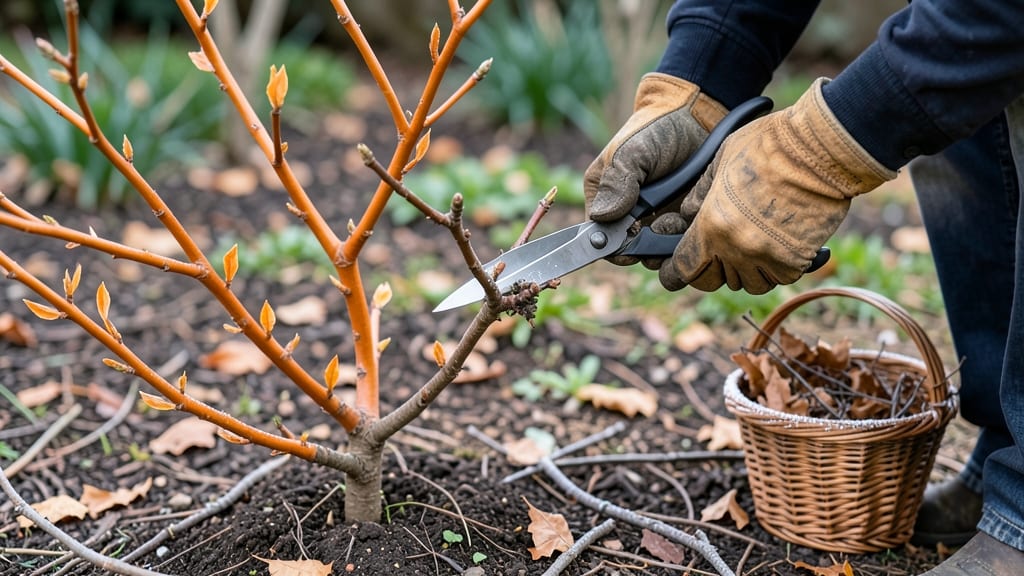
The best time to trim burning bush shrubs is late winter 🌿—just as new growth begins but before buds swell, giving you the perfect window to shape without harming next year’s blooms.
Your burning bush shrubs are the star of your landscape—but if you trim them at the wrong time, you could stunt their growth or even kill them. Timing is everything, and late winter is the perfect window to prune for vibrant spring blooms and healthier foliage.
Most gardeners wait until spring, but that’s too late. By pruning in late winter—right after the last frost in Zone 6a—you encourage stronger stems and more abundant flowers. Plus, dormant plants handle pruning better, so you won’t stress the shrub like you would in summer.
In this guide, I’ll walk you through the exact steps, tools, and key mistakes to avoid—so your burning bush thrives for years to come. Let’s get started!
Why late winter is the ideal time to trim burning bush shrubs
Late winter is the sweet spot for pruning your burning bush shrubs (Euonymus alatus), and science backs it up. When temperatures hover between 20°F and 40°F, your shrubs enter dormancy, making them resilient to pruning stress.
This period, typically February through early March, allows you to shape your shrubs without triggering new growth too early in the season.
The cold weather plays a crucial role—it hardens the plant's tissues, reducing the risk of disease transmission through open wounds. Unlike summer pruning, which can stress the plant and leave it vulnerable to pests, late winter cuts heal faster once spring arrives.
Think of it as giving your shrub a clean, fresh start before the growing season kicks in.
Here’s why this timing outperforms other seasons: Late winter pruning avoids the risk of removing next year’s flower buds, which form on old wood in burning bushes. If you prune in late spring or summer, you might accidentally cut off future blooms before they even appear.
Plus, the reduced humidity in winter means fewer fungal spores in the air, keeping your cuts cleaner and healthier.
| Pruning Time | Benefits | Risks |
|---|---|---|
| Late Winter (Feb-Mar) | Minimizes stress, preserves flower buds, faster healing | None if done correctly |
| Early Spring (Apr) | Encourages early growth | Removes flower buds, attracts pests |
| Summer (Jun-Aug) | Shapes foliage for aesthetics | High disease risk, slow healing, stunted growth |
| Fall (Sep-Oct) | Prepares for winter dormancy | New growth can’t harden before frost |
Watch for seasonal cues like bud swell—this signals your shrub is waking up from dormancy. Prune just before buds swell (usually 2-3 weeks before last frost) to give your burning bush enough time to recover before active growth.
In USDA Zone 6a, this typically falls in late February to early March, but adjust based on your local climate.
Cold weather also slows sap flow, which means your cuts bleed less and heal more efficiently. This is especially important for burning bushes, which can suffer from sap loss if pruned during their active growing season.
The lower temperatures help your shrub conserve energy, directing it toward root development and next year’s blooms instead of repairing pruning wounds.
Another key advantage of late winter pruning is improved airflow. By removing dead or crossing branches, you reduce humidity buildup within the shrub’s canopy, which lowers fungal disease risk.
This is critical because burning bushes are prone to powdery mildew and leaf spot when conditions are damp. Pruning in winter creates a healthier structure before the spring rainy season hits.
If you’re in a warmer climate (like Zone 8 or higher), aim to prune in late January to February when temperatures are cooler but still above freezing.
The goal is to avoid pruning during extreme cold snaps (below 20°F) or thaws followed by freezes, as these conditions can stress the plant and delay healing. Use a thermometer to monitor overnight lows—40°F is the sweet spot for safe pruning.
Late winter pruning also boosts next year’s foliage color. Burning bushes are prized for their vibrant red fall leaves, and proper pruning encourages stronger stems and brighter foliage. By removing old, weak growth, you promote new shoots that will develop richer hues in autumn.
This makes late winter the best time to shape your shrubs for maximum visual impact later in the year.
Finally, timing your prune with late winter’s dry air means less mud and easier cleanup. Unlike spring or fall, when rain can turn your yard into slippery chaos, winter’s drier conditions make it simpler to work around your shrubs.
Grab your pruners and gloves, and you’ll be ready to transform your landscape without the mess.
So mark your calendar for February or early March, bundle up, and get ready to give your burning bushes the perfect start to their growing season. Your shrubs—and your future fall foliage—will thank you! 🌿✂️
Step-by-step guide to pruning burning bush shrubs in late winter
Late winter is the golden window for pruning your burning bush shrubs (Euonymus alatus), but timing and technique make all the difference. After the hard frost has passed—typically in March or early April—your shrubs enter dormancy, making them far more resilient to pruning.
This is when you’ll see dead branches clearly stand out against live ones, so you can trim with confidence.
Before you grab your shears, gather the right tools: sharp bypass pruners for clean cuts, loppers for thicker branches, and gloves to protect your hands. Avoid dull tools—they tear branches, inviting disease. Pro tip: Disinfect your tools with rubbing alcohol to prevent spreading any hidden pathogens from last season.
Step 1: Identify Dead vs. Live Branches
Look for branches with no bark or blackened stems—these are dead and should be removed first. Live branches will have green buds or flexible stems when bent slightly.
Step 2: Start with Structural Pruning
Remove crossing branches or those growing inward to improve airflow and sunlight penetration. Cut back to the nearest outward-facing bud or branch collar.
Step 3: Thin Out Overcrowded Areas
Selectively trim 1/3 of the oldest stems to encourage new growth. Focus on the center of the shrub first to maintain an open, airy shape.
Step 4: Shape for Balance and Form
Step back frequently to check your shrub’s natural shape. Avoid cutting more than 1/3 of the total foliage—this ensures the plant recovers quickly. Use your shears to taper the edges gently.
Step 5: Clean Up and Dispose
Rake up all clippings and dispose of them in yard waste—never leave them beneath the shrub, as they can harbor pests. Finish by watering the base to reduce stress on the plant.
One common mistake is pruning too late in spring, which can remove next year’s flower buds (though burning bush blooms on old wood, so this is less critical than with some shrubs).
Another pitfall is over-trimming—never cut more than 1/3 of the plant at once, or you risk weakening it for the growing season. If your shrub looks sparse after pruning, it’s a sign you’ve trimmed too aggressively.
After pruning, your burning bush will reward you with lush, vibrant foliage and a stronger structure for the year ahead. Just be patient—new growth may take a few weeks to appear, but the results will be worth it.
Keep an eye out for pests or disease signs in the weeks following, and treat them promptly if they appear.
With the right timing and technique, your burning bush will thrive for years, becoming a showstopper in your landscape. Happy pruning! 🌿✂️