
Shrubs
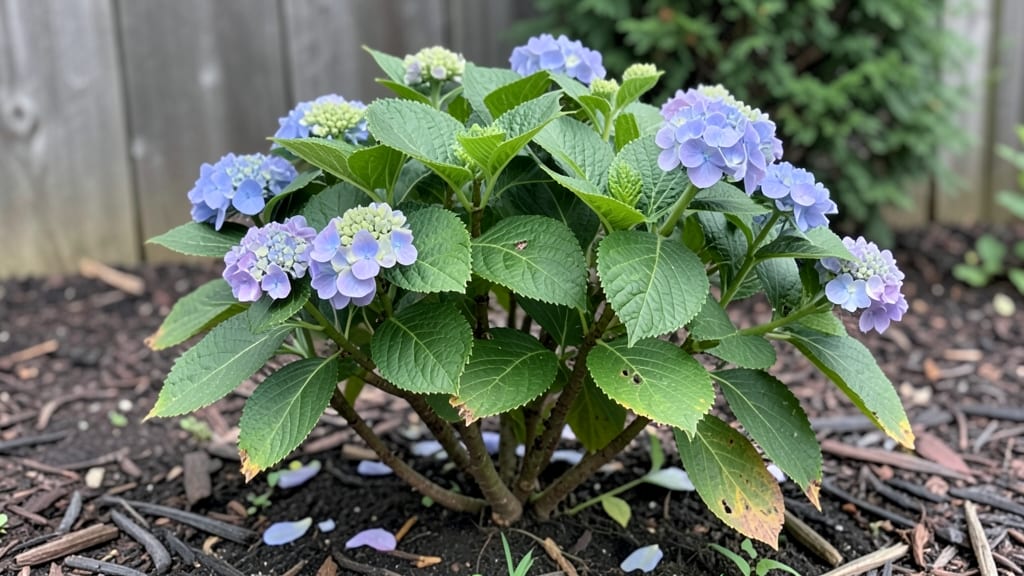
A shrub stands out in gardens because of its compact, multi-stemmed structure, which gives it a bushy appearance.
Unlike trees, shrubs don't develop a single dominant trunk, making them ideal for hedges or layered garden designs. 🌿 Their woody stems and broad leaves also distinguish them from herbs, which are typically non-woody and herbaceous.
Many shrubs thrive in various climates, offering year-round interest with seasonal blooms, colorful foliage, or wildlife-attracting berries.
For example, hydrangeas bring vibrant flowers, while boxwoods provide dense privacy screens. Some, like elderberry, even support local ecosystems by feeding birds and pollinators. The key is choosing shrubs that match your garden's needs—whether for beauty, function, or ecological benefits.
💡 In This Article
- Botanical Characteristics That Define Shrubs
- Best Shrubs for Landscaping and Garden Design
Botanical characteristics that define shrubs
The defining feature of shrubs is their multi-stemmed woody structure, where multiple branches emerge directly from the root system rather than a single central trunk.
This creates a bushy, rounded silhouette that typically reaches 3 to 12 feet tall, though some dwarf varieties stay under 2 feet, while others like elderberry can exceed 15 feet.
The stems are lignified (wooden) but rarely exceed 2 inches in diameter, distinguishing them from trees which develop thick, single trunks.
Here's where shrubs differ from trees and herbs at the cellular level: Their vascular cambium (the growth layer between bark and wood) remains active in multiple stems, allowing for continuous lateral expansion. Trees concentrate their cambium activity in one main trunk, creating vertical growth.
Meanwhile, herbs lack woody tissue entirely—their stems are soft, herbaceous, and die back annually. 🌱 The leaf arrangement also varies: shrubs often have opposite or alternate leaf patterns, while trees may have larger, more widely spaced leaves to capture sunlight above the canopy.
The root systems of shrubs are typically fibrous and shallow, spreading widely to anchor the multi-stemmed structure. This contrasts with trees, which develop deep taproots for stability. The shallow roots make shrubs more drought-sensitive but excellent for erosion control.
Their deciduous or evergreen foliage further sets them apart—deciduous shrubs like lilacs shed leaves seasonally, while evergreens (e.g., rhododendrons) maintain foliage year-round, though they may lose older leaves periodically.
Shrubs also exhibit unique reproductive strategies. Many produce clusters of small flowers rather than the solitary blooms of trees, followed by berries, seeds, or nuts that attract wildlife. The flowers often have high nectar content to support pollinators, while the fruits provide food for birds and mammals.
This ecological role contrasts with herbs, which typically rely on wind or insect pollination for smaller, less conspicuous flowers.
Consider the boxwood shrub as a perfect example: Its dense, semi-evergreen foliage stays green year-round, its stems remain under 1 inch in diameter, and its roots spread horizontally within 12 inches of the surface.
This structure makes it ideal for hedges, where its compact growth habit and high branching create uniform screens. 🌿 Meanwhile, a tree like an oak develops a single trunk over 3 feet in diameter and roots extending 10 feet deep—showing how shrubs prioritize width over height.
What most gardeners overlook is how pruning habits reflect these botanical traits. Shrubs like hydrangeas respond well to shearing because their multiple stems regenerate easily, while trees require more precise cuts to avoid damaging the central trunk.
This adaptability makes shrubs the backbone of modern landscaping, offering both structural diversity and ecological benefits.