
Pruning
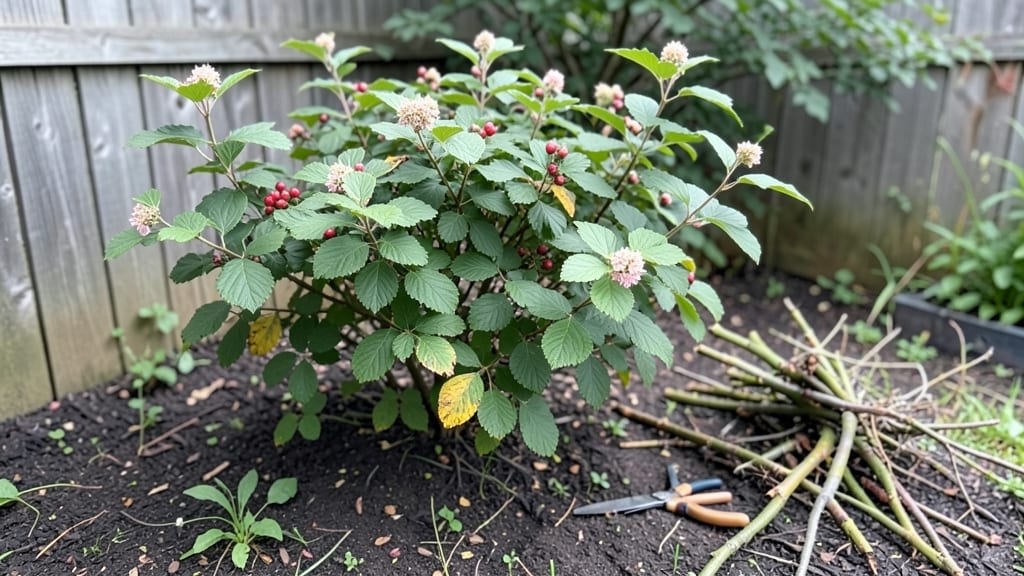
Pruning your viburnum shrub right transforms it from a shaggy mess into a showstopping year-round star. ✨ I’ve turned my once-neglected viburnum into a perfectly shaped, blooming machine by following a few key timing and technique rules—no guesswork, just results.
The difference between a pruned viburnum and one left to its own devices is night and day: denser foliage, more flowers, and a shape that actually complements your landscape.
Most people wait until spring, but the best time depends on your viburnum type. For spring-bloomers like Viburnum plicatum, prune right after flowering to avoid cutting off next year’s buds. Winter-bloomers like Viburnum bodnantense need a late-winter trim to shape them before new growth starts.
You’ll only need three basic tools: sharp pruning shears, loppers for thicker branches, and gloves to protect your hands from thorns. The key is working with the plant’s natural shape—never hacking it into a geometric form.
After pruning, your viburnum will reward you with thicker growth and more abundant blooms by next season. The secret is thinning out crowded branches to improve airflow, which reduces disease risk and lets sunlight reach the center.
For overgrown shrubs, rejuvenation pruning in stages over two years works wonders without shocking the plant. The result? A shrub that looks like it belongs in a high-end landscape, not just your backyard.
This method works for all viburnum varieties, from dwarf types to large specimens. The only rule is consistency—prune at the same time each year, and your shrub will stay lush and healthy for decades. Let’s get those shears out and shape something beautiful!
📚 In This Guide
- What you need
- Instructions
- Tips and common mistakes
- Wrapping up and next steps
What you need
- ● Bypass pruners – Sharp, high-quality (e.g., Felco or Fiskars), 1 pair (for small to medium stems, up to ½-inch thick).
- ● Loppers – Long-handled, bypass-style (e.g., Corona or Bahco), 1 pair (for stems ½-inch to 2-inches thick).
- ● Pruning saw – Fine-toothed, curved blade (e.g., Felco or Fiskars), 1 (for thick, woody stems over 2-inches).
- ● Gloves – Heavy-duty, cut-resistant (e.g., Mechanix or garden gloves), 1 pair (to protect hands from thorns and debris).
- ● Disinfectant (rubbing alcohol or bleach solution) – 70% isopropyl alcohol or 1-part bleach to 9-parts water, small bottle (to prevent disease spread).
- ○ Hand pruners (for precision) – Anvil-style for small twigs, optional (if working with very fine branches).
- ○ Extension pole pruners – For high branches, optional (if your viburnum is tall or overgrown).
- ○ Pruning sealant – Optional for large cuts (e.g., TreeHelp), small tube (to seal wounds on thick stems).
- ● Wheelbarrow or bucket – For debris collection, 1 (to haul clippings away easily).
- ● Safety glasses – Protective eyewear, 1 pair (to shield from flying debris).
- ● Clear, dry day – Ideal weather (avoid pruning when plants are wet or frozen).
- ● Research your viburnum type – Know if it’s deciduous or evergreen (pruning timing varies!).
- ● Plan your cuts – Sketch a rough shape or mentally visualize your desired form before starting.
- ● Check local regulations – Some areas restrict pruning during specific seasons (e.g., bird nesting periods).
Step-by-Step guide to pruning viburnum shrubs for year-round beauty
Here's how I keep my viburnums looking full and healthy—no guesswork, just proven techniques.
✂️ Step 1: Prune in Late Winter Before New Growth Begins
Start pruning in late winter, ideally in February or early March, just before buds swell but before new growth appears. This timing ensures you remove dead wood while leaving healthy stems intact. I grab my pruners and examine each branch—anything that's brown, brittle, or crossed over others gets the first cut.
Make clean cuts at a 45-degree angle about ¼ inch above a bud or outward-facing branch. Never leave stubs—they invite disease. If a branch is thicker than ½ inch, use your loppers to avoid tearing. I like to step back after each cut to check the overall shape—this helps me see what still needs attention.
✂️ Step 2: Thin Out Crowded Branches for Better Airflow
Viburnums naturally grow dense, but too many branches competing for sunlight can lead to weak growth. Look for crossing branches or ones growing inward—these need to go. I remove about one-third of the oldest stems at the base to encourage new growth from the center. This keeps the shrub full and prevents a "woody" center.
Focus on selective thinning rather than shearing. Shearing viburnums can make them look like hedges instead of their natural, lush shape. If a branch is completely dead, cut it back to the nearest healthy bud. You'll know it's healthy if the wood is green inside when you slice it open.
✂️ Step 3: Shape in Early Summer After Flowering
After the spring flowers fade, give your viburnum a light shaping trim in early summer. This is when you can adjust the overall form without cutting off next year’s blooms. I use my hand pruners to snip back any overly long branches by about ⅓ of their length, focusing on the outermost growth to maintain a rounded shape.
Watch for suckers—those are the small, weak stems growing at the base. Remove them completely to redirect the plant’s energy into stronger branches. If your viburnum has berries, avoid heavy pruning now—those feed birds and add winter interest. Just tidy up the edges for a polished look.
✂️ Step 4: Clean Up in Late Fall to Prepare for Winter
In late fall, after leaves drop but before frost sets in, do a final cleanup. Remove any dead, diseased, or broken branches—these can harbor pests over winter. I also trim back any overly leggy growth that looks sparse. This keeps the shrub tidy and ready to burst with new growth in spring.
Rake up all the fallen leaves and debris around the base—this prevents fungal diseases from lingering. If you notice any mushrooms growing at the base, that’s a sign of root rot, and you’ll need to dig deeper to address the issue. A little fall maintenance goes a long way in keeping your viburnum thriving.
⏰ Step 5: Maintain Year-Round with Light Trims
Between major pruning sessions, keep an eye out for stray branches or unruly growth. A quick trim with hand pruners every few months keeps the shrub looking intentional. I also check for water sprouts—those are the fast-growing, vertical shoots that pop up in the center. Snip them off as soon as you see them to maintain a full, rounded shape.
Never prune viburnums in late summer or fall—this can stimulate new growth that won’t harden off before winter. Instead, focus on light maintenance and let the plant rest. With consistent care, your viburnum will reward you with vibrant blooms, glossy foliage, and winter interest for years to come.
Tips & tricks for perfect viburnum shrub pruning
A few simple techniques can transform your viburnum's appearance and health—here's how to get it right every time.
Timing is Everything: That February/March window in Step 1 is critical because it's when the plant is still dormant but about to wake up. If you wait too long, you risk cutting off next year's flower buds. I always check the buds—if they're starting to plump up, it's time to prune.
The 45-Degree Angle Secret: When making cuts in Step 1, that 45-degree angle isn't just for looks—it helps water run off the cut and prevents rot. For thicker branches over ½ inch, I make the cut just outside the branch collar (the swollen area where the branch meets the trunk). This ensures the wound heals properly and the plant can seal off the cut naturally.
One-Third Rule for Renewal: In Step 2, removing one-third of the oldest stems might seem drastic, but it's what keeps your viburnum looking youthful. I think of it as giving the plant a "haircut" that encourages new growth from the center. This prevents that hollow, woody center that makes shrubs look old before their time. The key is to make these cuts at the base to stimulate fresh growth.
Shape Maintenance Shortcuts: For the light shaping in Step 3, I focus on removing only the longest branches by about one-third their length. This keeps the natural shape without sacrificing next year's blooms. Pro tip: Use your hand pruners to make small adjustments—you can always remove more later if needed, but you can't put back what you cut off too aggressively.
Pro Tips for Viburnum Shrub Pruning
- A few simple techniques can transform your viburnum's appearance and health—here's how to get it right every time.
- Timing is Everything: That February/March window in Step 1 is critical because it's when the plant is still dormant but about to wake up.
- The 45-Degree Angle Secret: When making cuts in Step 1, that 45-degree angle isn't just for looks—it helps water run off the cut and prevents rot.
Frequently asked questions
Got questions about pruning your viburnum shrub? You’re not alone! Here are some of the most common concerns—plus clear, actionable answers to keep your plant thriving.
When is the best time to prune a viburnum shrub?
The ideal time depends on your viburnum type. Spring-blooming varieties (like Viburnum bodnantense) should be pruned right after flowering (late spring/early summer) to avoid cutting off next year’s blooms. Summer-blooming types (like Viburnum plicatum) can be pruned in late winter or early spring before new growth starts. Always prune dead or diseased wood anytime it’s spotted!
How much can I trim back my viburnum shrub?
For most viburnums, you can safely remove up to 1/3 of the plant’s height or width in a single pruning session. Avoid drastic cuts—focus on shaping, thinning out crowded branches, and removing crossing or dead wood. Over-pruning can stress the shrub, so gradual shaping over 2–3 years works best for a full, lush look.
What if I prune at the wrong time and my viburnum doesn’t bloom?
Don’t panic! If you pruned too late (e.g., after spring blooms formed), your viburnum may skip flowering that year—but it’ll bounce back. For spring-bloomers, set a reminder to prune immediately after flowers fade. For summer-bloomers, late winter pruning is key. Fertilize lightly in early spring to encourage recovery and future blooms.
Can I prune a young viburnum shrub the same way as a mature one?
Not quite! Young viburnums (under 3 years old) need minimal pruning—just remove dead, damaged, or crossing branches to encourage a strong structure. Wait until they’re established (around year 3) before shaping. Pro tip: Focus on creating an open center to improve airflow and reduce disease risk as they grow.
What’s the difference between pruning for blooms vs. pruning for shape?
| Pruning for Blooms | Pruning for Shape |
|---|---|
| Prioritize removing old wood (for spring-bloomers) or light thinning (for summer-bloomers) to encourage new growth where flowers form. | Focus on evenly trimming outer branches, thinning dense areas, and maintaining symmetry for a polished look. |
| Timing: After flowering (spring) or late winter (summer-bloomers). | Timing: Late winter/early spring (before new growth starts). |
For most viburnums, combine both goals—just adjust your cuts based on the season and your plant’s needs!
Wrapping up and next steps
Pruning your viburnum shrub doesn’t have to be intimidating—with the right timing, tools, and techniques, you’ll unlock vibrant blooms and dense foliage year after year. 🌿 Whether you’re shaping for winter interest, encouraging spring flowers, or maintaining a tidy look, consistency is key.
Now that you’re armed with expert tips, grab those shears and get pruning! Start small, observe your shrub’s response, and soon, you’ll have a thriving viburnum that’s the envy of the neighborhood.
Next step: Mark your calendar for your first pruning session—spring or early summer is your best bet! And if you’re feeling adventurous, experiment with a few cuts to see how your shrub responds. Happy gardening! 🌸