
Size
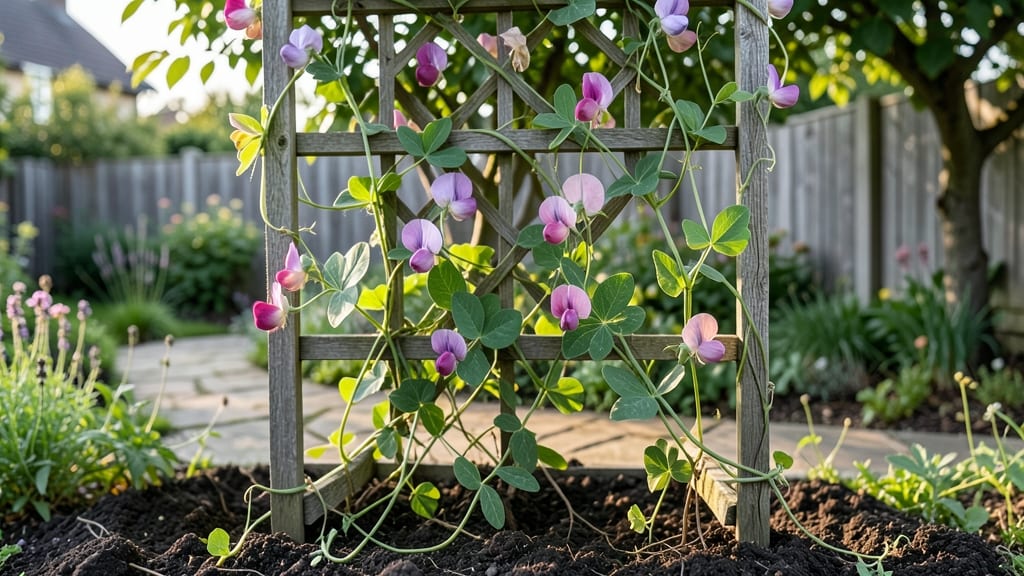
Sweet pea shrubs grow to 6 to 8 feet tall at maturity, but their size varies wildly depending on the variety—some stay compact while others climb like vines 🌸.
If you’re dreaming of a fragrant, flowering shrub that adds vertical charm to your garden but aren’t sure which sweet pea variety fits your space, you’re not alone.
Many gardeners struggle to match these beauties to their landscape because shrub-like sweet peas can range from 3-foot dwarf varieties to towering 8-foot climbers.
Understanding these size differences is the key to planning your garden layout—whether you’re working with a small balcony or a sprawling backyard. The right variety can transform a plain wall into a fragrant, blooming masterpiece, while the wrong choice might leave you with overcrowded vines or underwhelming blooms.
Below, I’ll break down the height and spread of popular sweet pea shrubs, how to choose the perfect variety for your space, and 5 pro tips to maximize their growth without sacrificing your garden’s design.


Sweet pea shrub height variations by variety: compact to towering options
Sweet pea shrubs (Lathyrus odoratus) are famous for their intoxicating fragrance and vibrant blooms, but their height variations often surprise gardeners. Some varieties stay neatly contained at 3 feet tall, while others can reach 8 feet or more with proper support.
Choosing the right size for your space ensures your garden thrives without overcrowding or underutilized vertical space.
When planning your garden layout, consider both mature height and spreading habits. A 6-foot climber needs a sturdy trellis, while a 3-foot dwarf might thrive in a container.
Let’s explore the most popular sweet pea varieties and their ideal growing conditions to help you make the perfect selection for your landscape.
🌱
For gardeners with limited space, 'Spencer' and 'Dwarf Mix' varieties are ideal. These compact sweet peas thrive in containers or window boxes, making them perfect for patios or balconies. Their slower growth rate means they won’t outgrow their space quickly, but they still produce an abundance of fragrant blooms.
If you’re aiming for a dramatic vertical display, 'Cupani' and 'Matucana' are top choices. These towering varieties can reach 8 feet or more with the right support, creating a stunning focal point in your garden. Install a strong trellis or arbor early in the season to accommodate their rapid growth.
Medium-height varieties like 'Perfume Delight' and 'Blue Moon' strike a balance, offering height without overwhelming your space. They’re perfect for bushy borders or mid-sized trellises, adding fragrance and color without requiring excessive maintenance. Space them 24–36 inches apart to ensure airflow and prevent disease.
When planting, always consider your garden’s sunlight exposure. Sweet peas need full sun (6+ hours daily) to reach their full height potential. In shadier spots, growth may be stunted, and flowering could be reduced.
Amend your soil with compost or organic matter to encourage robust root development and support taller varieties.
For container gardening, prioritize dwarf varieties or prune taller types regularly. Use a large pot with drainage holes and a trellis to guide vines upward. Remember, even compact sweet peas benefit from support—their delicate stems can struggle without it, especially after heavy rain or strong winds.
🌸
How sweet pea shrub spreading habits affect garden layout and support needs
Sweet pea shrubs (Lathyrus odoratus) aren’t just about height—their spreading habits can transform your garden layout or create chaos if ignored. Some varieties sprawl aggressively, while others stay neatly contained. Understanding these patterns helps you plan sunlight exposure, support structures, and even companion plantings.
For example, the 'Perfume Delight' variety spreads 3–4 feet wide, while 'Blue Moon' stays compact at just 1–2 feet. These differences aren’t just numbers—they dictate whether you’ll need a trellis, pruning, or extra space for roots to breathe.
Your garden’s sunlight exposure also shifts based on how wide your sweet pea shrubs grow. Bushy varieties like 'Cupani' cast wider shade, blocking sunlight for nearby plants. Meanwhile, vine-like types need vertical support to reach their full height without sprawling into walkways.
If you’re designing a small garden, compact varieties are your best friends—they let you pack more plants into tight spaces without overcrowding. But if you’re aiming for a romantic, climbing arbor, you’ll need varieties that stretch both upward and outward.
Here’s the key dilemma: Do you want bushy blooms or towering vines? Bushy varieties like 'Spencer' create lush, rounded mounds, perfect for borders or containers. Vine-like types, such as 'Painted Lady', need trellises or obelisks to climb, adding vertical drama.
The trade-off? Bushy types may need more frequent pruning to control width, while vines require sturdy supports to prevent flopping. Both styles demand different garden layouts—one for ground coverage, the other for vertical accents.
Sweet Pea Shrub Spreading Habits: Pros and Cons
| Feature | Bushy Varieties (e.g., 'Spencer') | Vine-Like Varieties (e.g., 'Painted Lady') |
|---|---|---|
| Spread Width | 1–3 ft (needs pruning) | 3–6 ft (requires support) |
| Sunlight Needs | Full sun (6+ hours) | Full sun (6+ hours, vertical access) |
| Support Required | Minimal (staking optional) | Essential (trellis/obelisk) |
| Pruning Needs | Regular (to control width) | Light (deadheading only) |
| Garden Use | Borders, containers, ground cover | Trellises, arbors, vertical gardens |
✅ Pro Tip: Mix bushy and vine-like varieties for layered interest—place bushy types at the base of trellises and let vines climb upward.
Let’s talk trellis requirements, because they’re non-negotiable for vine-like sweet peas. A 6-foot trellis is ideal for varieties like 'Cupani', but lighter obelisks work for shorter climbers. Without support, vines flop, creating tangled messes that block sunlight and air circulation.
For bushy types, staking individual stems can prevent sprawling, but most thrive without heavy support. If you’re short on space, consider container gardening—just ensure your pot is at least 12 inches deep to accommodate roots.
Pruning is your secret weapon to control spreading habits. For bushy varieties, pinch back new growth in early spring to encourage branching. Vine-like types benefit from deadheading spent blooms to redirect energy upward. Over time, this keeps both types from becoming unruly.
My personal trick? Use sharp, sterilized shears and prune in the morning when plants are hydrated—it reduces stress and speeds up recovery. Just avoid cutting into woody stems, as sweet peas are tender and heal slowly.
Finally, don’t underestimate the impact of companion planting. Place bushy sweet peas near low-growing perennials like thyme or lavender to fill gaps without competing for space. Vine-like types pair beautifully with tall grasses or ornamental corn, which provide natural windbreaks and vertical contrast.
The key is balance—your sweet peas should complement, not dominate, the rest of your garden. With the right layout, they’ll become the fragrant, eye-catching stars you’ve always dreamed of.