
Landscaping
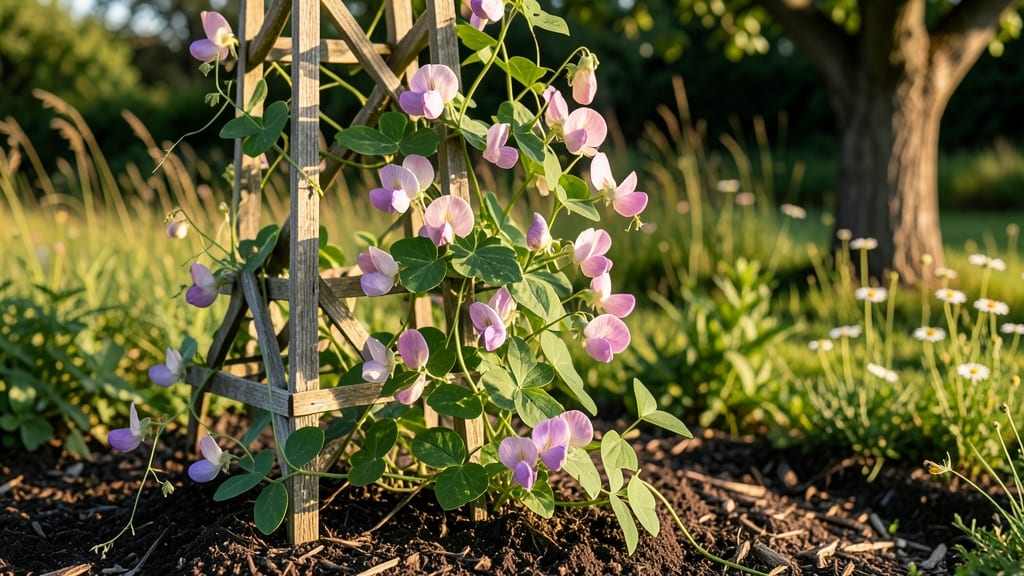
A sweet pea shrub landscape turns blank walls into fragrant, living tapestries that hum with pollinators. 🌿 I learned the hard way that sweet peas aren’t just annuals—they’re the secret weapon for vertical gardens that last.
Their vining nature and intoxicating scent make them perfect for trellises, arbors, or even trained along fences, where they create a lush, romantic border without the fuss of traditional shrubs.
The best part? These plants thrive with minimal effort—just a sunny spot, well-draining soil, and occasional pruning to keep them in check. Pair them with lavender for a cottage-garden vibe or mix in catmint for a pollinator magnet.
In early spring, their delicate blooms appear like clockwork, and by summer, you’ll have a fragrant backdrop that outshines any store-bought decoration.
Imagine stepping into a garden where every breeze carries the scent of vanilla and honey—this is what a sweet pea shrub landscape delivers. The vertical growth habit saves space, and the low-maintenance nature means more time enjoying your outdoor oasis than fussing over it.
Perfect for small yards, urban balconies, or even as a striking focal point in larger landscapes.
Whether you’re aiming for a whimsical cottage feel or a modern vertical garden, sweet peas adapt beautifully. Just remember: stake them early to avoid flopping, and deadhead spent blooms to encourage more flowers. The payoff? A garden that smells as good as it looks, all season long.
📚 In This Guide
- What you need
- Instructions
- Tips and common mistakes
- Wrapping up and next steps
What you need
- ● Sweet pea shrubs (Lathyrus odoratus) – 5–10 plants (depending on desired coverage). Choose climbing varieties like 'Cupani' or 'Spencer' for vertical growth.
- ● Trellis or vertical support structure – 6–8 ft tall, sturdy enough to hold blooms (e.g., metal lattice, wooden arbor, or PVC pipes).
- ● Well-draining potting mix – 2–3 cubic yards (for in-ground planting) or 10–15 gallons of high-quality soil mix (for containers).
- ● Organic compost – 1–2 bags (to enrich soil with nutrients).
- ● Slow-release fertilizer – 10–20 lb bag (balanced 10-10-10 or organic options like fish emulsion).
- ● Mulch – 2–3 cubic feet (shredded bark or straw to retain moisture).
- ● Drip irrigation system or soaker hose – 50–100 ft (for consistent watering).
- ● Garden trowel or spade – For planting and soil prep.
- ● Pruning shears – Sharp, bypass-style for trimming.
- ● Measuring tape – To space plants and supports accurately.
- ● Gloves – Heavy-duty for protection while handling soil and plants.
- ● Watering can or hose with nozzle – For initial watering.
- ○ Optional: Soil tester kit – To check pH (ideal range: 6.0–7.0 for sweet peas).
- ● Sunlight access – Full sun (6+ hours/day) for optimal blooming.
- ● Drainage check – Ensure no standing water (sweet peas hate soggy roots!).
- ● Weather-appropriate timing – Plant in early spring (after last frost) or fall (in mild climates).
Step-by-step instructions for creating a sweet pea shrub landscape
Transform your yard into a fragrant vertical garden with these easy-to-follow steps—perfect for adding height and charm.
🌱 Step 1: Choose and Prepare Your Sweet Pea Shrubs
Select 4 sweet pea shrubs (or more, depending on your space) that are 2-3 feet tall and healthy. I always pick varieties like 'Cupani Sweet Pea' or 'Lathyrus odoratus' for their fragrant blooms and climbing potential. Before planting, trim any dead or damaged stems back to encourage new growth—this ensures a fuller, bushier plant right away.
Soak the roots of each shrub in lukewarm water for 10-15 minutes before planting. This hydrates them and helps reduce transplant shock. If your shrubs are in pots, gently loosen the roots at the edges to encourage them to spread into the new soil. You’ll notice the roots are more pliable and ready to establish themselves.
🪴 Step 2: Select and Prepare Planting Locations
Sweet pea shrubs thrive in full sun to partial shade, so choose a spot that gets at least 6 hours of sunlight daily. If your yard is shady, opt for a location with dappled sunlight—these shrubs can still flourish but may produce fewer blooms. For a vertical garden, consider planting near a trellis, fence, or pergola to guide their growth upward.
Dig holes that are twice as wide as the root ball but no deeper. This allows the roots to spread out comfortably without sitting too low in the soil, which can cause rot. Mix the native soil with 2-3 inches of compost to enrich it—this gives your shrubs a nutrient boost right from the start. The compost should be crumbly and well-blended, not clumpy.
💧 Step 3: Plant and Stake for Support
Place each shrub in its hole, ensuring the top of the root ball sits level with the ground. Fill the hole with soil, pressing gently around the base to remove air pockets. Water deeply right after planting—this helps settle the soil and encourages roots to grow into their new home. You’ll see the soil sink slightly as it absorbs moisture, so add a little more if needed.
Install stakes or trellises near each shrub to support their climbing habit. Tie the main stems loosely to the stakes with soft plant ties or strips of fabric—avoid wire ties, as they can cut into the stems as the plant grows. Space stakes about 12-18 inches apart to give the shrubs room to sprawl and climb naturally.
☀️ Step 4: Water and Mulch for Long-Term Care
Water your sweet pea shrubs deeply once a week for the first 4-6 weeks to help them establish strong roots. After that, water every 10-14 days, depending on your climate. You’ll know they’re getting enough water when the top inch of soil feels dry to the touch—this prevents overwatering while keeping the roots hydrated.
Apply a 2-3 inch layer of mulch around the base of each shrub, keeping it 2-3 inches away from the stem to prevent rot. Use wood chips or shredded bark—these break down slowly, improving soil quality over time. Mulch also helps retain moisture and keeps weeds at bay, making maintenance a breeze. Refresh the mulch layer every 6 months to keep it effective.
✂️ Step 5: Prune and Encourage Blooms
Prune your sweet pea shrubs after the first flush of blooms in early summer to encourage a second round of flowers. Cut back one-third of the oldest stems to the base, and trim any leggy or overcrowded growth. This pruning trick keeps the shrubs compact and promotes bushier growth. You’ll notice new shoots emerging within 2-3 weeks—a sign your pruning paid off!
Deadhead spent blooms regularly to redirect the plant’s energy into producing more flowers. Simply pinch off the faded flowers with your fingers or snip them with clean pruners. This simple step keeps your shrubs looking tidy and encourages continuous blooming throughout the season. Fertilize lightly with a balanced, slow-release fertilizer in early spring to support healthy growth.
Tips & tricks for perfect sweet pea shrub landscaping
These little tricks will help your fragrant vertical garden thrive with minimal fuss—because who doesn't love a low-maintenance beauty?
Root Revival Technique: That 10-15 minute lukewarm water soak before planting isn't just about hydration—it's about giving your shrubs a confidence boost. I learned this the hard way after planting dry roots that took weeks to recover. For extra help, add a tablespoon of seaweed fertilizer to the water—it gives them a gentle nutrient kick right from the start. The roots will be plump and ready to embrace their new home!
Sunlight Strategy: The 6 hours of sunlight rule is non-negotiable for peak blooms, but here's the secret: position your shrubs slightly west of your ideal spot. The afternoon sun will enhance their fragrance without scorching the delicate blooms. If you're working with partial shade, choose varieties like 'Blue Moon' sweet peas—they handle lower light better than others while still delivering that signature sweet scent.
Support System Upgrade: When installing stakes or trellises, I recommend using three stakes per shrub in a triangular formation instead of just one. This creates a more stable structure for climbing and prevents the shrubs from toppling in windy conditions. Space the stakes about 12-18 inches apart as mentioned, but add a horizontal support wire between them at about 6 inches above ground level—this gives the shrubs something to grab onto immediately after planting.
Mulch Magic: That 2-3 inch mulch layer isn't just for looks—it's a game-changer for moisture retention. I've found that mixing wood chips with a thin layer of straw on top creates the perfect moisture barrier. The straw slows evaporation while allowing rain to penetrate, and the wood chips improve soil quality over time. Plus, it keeps those pesky weeds from stealing nutrients your sweet peas need to thrive!
Pro Tips for Sweet Pea Shrub Landscape
- These little tricks will help your fragrant vertical garden thrive with minimal fuss—because who doesn't love a low-maintenance beauty?
- Root Revival Technique: That 10-15 minute lukewarm water soak before planting isn't just about hydration—it's about giving your shrubs a confidence boost.
- Sunlight Strategy: The 6 hours of sunlight rule is non-negotiable for peak blooms, but here's the secret: position your shrubs slightly west of your ideal spot.
Frequently asked questions
Got questions about transforming your space with a sweet pea shrub landscape?
Here are the answers to some of the most common ones to help you get started with confidence!
What’s the best time of year to plant sweet pea shrubs for a vertical garden?
The ideal time to plant sweet pea shrubs (or their climbing varieties) is early spring after the last frost, when soil temperatures are consistently above 60°F (15°C). For cooler climates, fall planting is also viable, giving roots time to establish before winter. Pro tip: If using seeds, start indoors 6-8 weeks before the last frost for a head start!
How much water do sweet pea shrubs need in a vertical landscape setup?
Sweet pea shrubs thrive with 1-1.5 inches of water per week, whether from rainfall or irrigation. In vertical gardens, check soil moisture frequently—drying out too quickly can stress plants. Mulching around the base helps retain moisture. Watch out: Overwatering can lead to root rot, so ensure containers or trellises have proper drainage.
Are sweet pea shrubs prone to pests or diseases in vertical gardens?
While generally hardy, sweet pea shrubs (and their climbing cousins) can attract aphids, spider mites, or powdery mildew in humid conditions. Preventative care: Prune for airflow, avoid overhead watering, and use neem oil if pests appear. Quick fix: Introduce ladybugs or spray with soapy water for mild infestations.
Can I mix sweet pea shrubs with other plants in a vertical garden?
Pair sweet pea shrubs with complementary climbers like clematis, morning glories, or ivy for a lush look. For shrub layers, try dwarf hydrangeas, abelia, or boxwood. Just ensure each plant has similar sunlight and water needs. Design tip: Use taller plants at the back and shorter ones in front for a balanced, fragrant vertical display!
How do I overwinter sweet pea shrubs in cold climates?
Sweet pea shrubs (especially perennial varieties) need protection in zones below 5. Cut back foliage, mulch heavily, and wrap containers in burlap or bubble wrap. For potted shrubs, move them to a sheltered spot or garage. Spring prep: Prune dead growth in early spring before new shoots emerge.
What’s a low-maintenance alternative if sweet pea shrubs aren’t suitable for my space?
If sweet pea shrubs don’t fit your climate or style, consider jasmine, star jasmine, or climbing roses for fragrance and vertical appeal. For zero-fuss options, try English ivy or bougainvillea—both thrive in containers and add color with minimal care.
Wrapping up and next steps
Transforming your space with a fragrant, low-maintenance sweet pea shrub landscape is easier—and more rewarding—than you think! 🌿 From choosing the right varieties to maximizing vertical growth, these vibrant, aromatic plants bring color, texture, and effortless charm to any garden.
Whether you’re a seasoned gardener or just starting out, the key is starting small and letting nature do the rest.
Ready to dive in? Pick your favorite sweet pea shrubs, gather your tools, and get planting! Your future garden will thank you—one fragrant bloom at a time. 🌸